Buying "fake documents" may mean lawful prop or novelty items, but documents intended to deceive can expose you to fraud and legal consequences. Price, delivery time, and requirements depend on the product and issuer. We recommend first identifying the legitimate issuing authority and asking about an official replacement; for props, confirm they are clearly marked and cannot be mistaken for genuine documents.
Buy Fake Documents: What You Need to Know
| Type | Price | Timeframe | Requirements | Restrictions |
|---|---|---|---|---|
| Fake ID | Varies widely | 1-3 weeks | Age verification, photo | Legal risks; may not be accepted by all establishments |
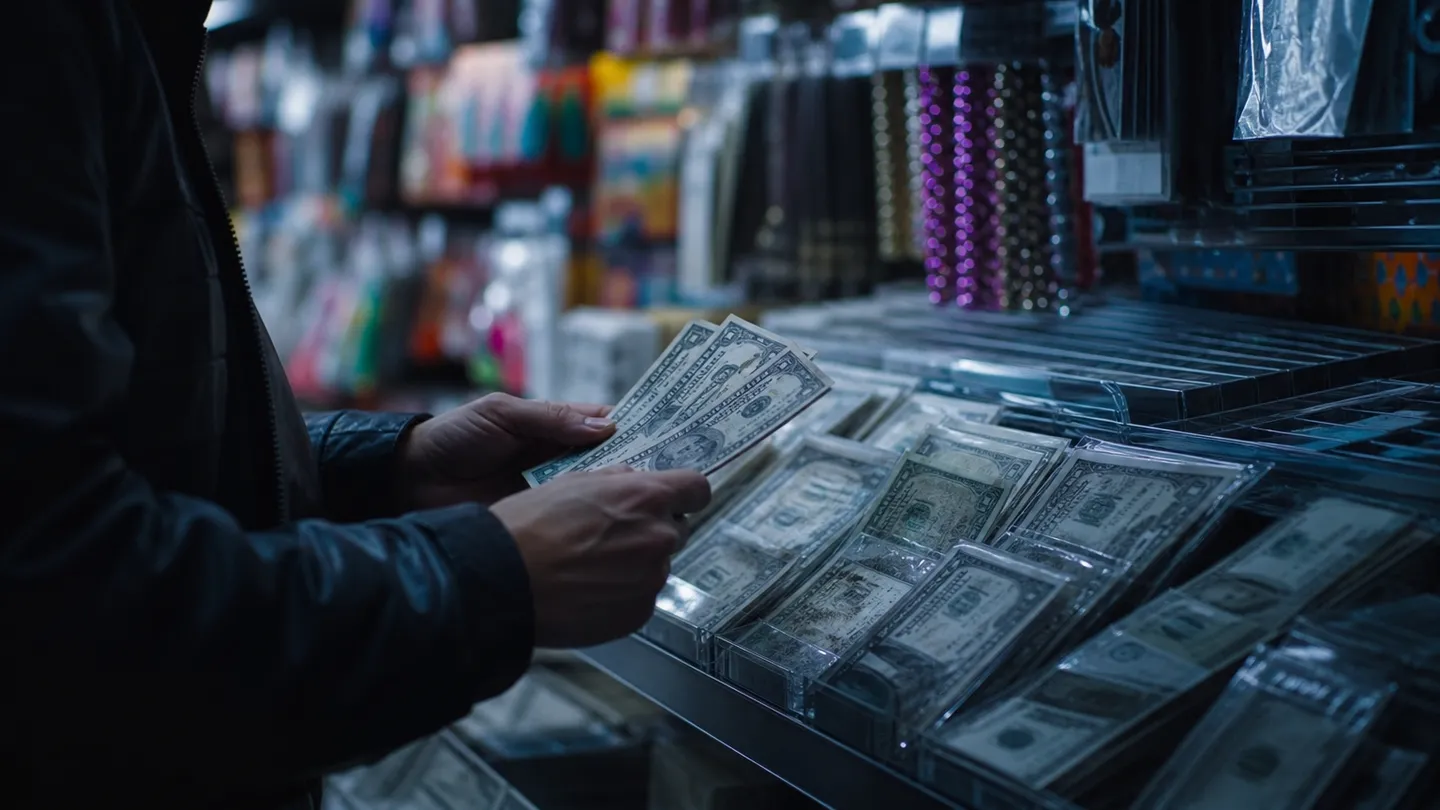
| Prop Money | Typically $20-$100 | Immediate to 1 week | No specific requirements | Must be clearly marked as 'not legal tender' |
| Novelty Documents | Varies | 1-2 weeks | Design specifications | May not be used for illegal purposes |
| Replacement Documents | Higher end of the scale | 1-4 weeks | Proof of identity, application | Legal consequences for misuse |
How to Get the Document You Need Safely
- Define the lawful purpose
Start with the purpose. If you lost a driving licence in Seattle, request a replacement through the Washington State Department of Licensing rather than a seller advertising a "fake ID". For a missing birth certificate, immigration record, diploma or professional certificate, contact the issuing authority, school or licensing body. Use a commercial seller only for a clearly labelled prop or novelty item that cannot reasonably be mistaken for an authentic document.
- Choose the correct route
Match the route to the scenario. Official replacements should come from the original issuer or the government service responsible for that record, while film, theatre and photography props can come from a prop supplier. Before ordering, make sure the product description explains its intended use, visible prop markings and any limits on customisation. Do not proceed if a seller offers scannable government identification, fabricated qualifications, altered bank statements or documents intended to pass verification.
- Prepare the required information
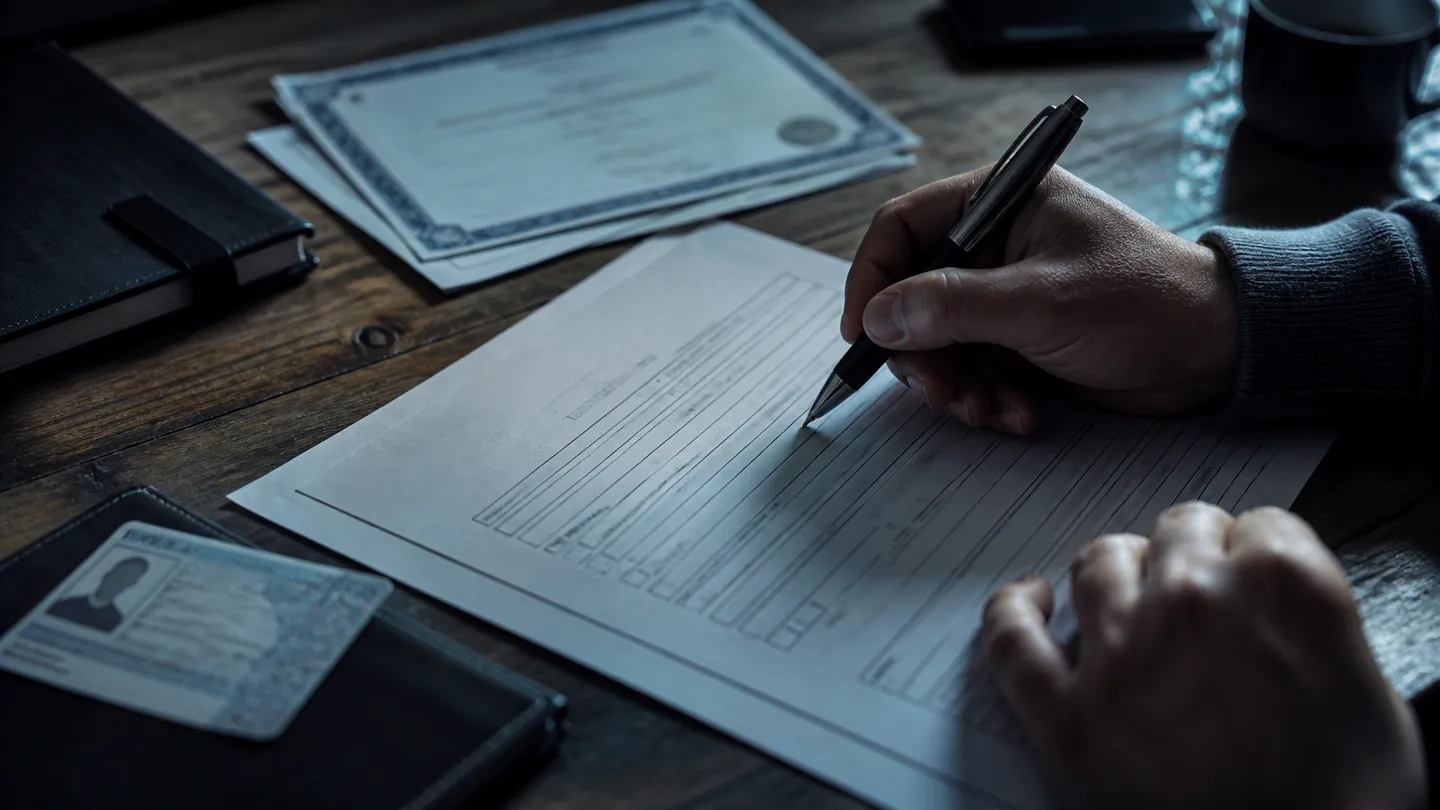
Gather only what the legitimate issuer or seller needs. An official replacement may require identity details, proof of entitlement, an application and payment, while a prop order may need fictional names, artwork specifications, size and delivery information. For example, a production buyer might request a fictional Seattle address but should not copy a real person's licence number, signature or portrait. Avoid sending sensitive identity documents through informal messaging services when the provider offers no clear privacy or contact information.
- Check the provider before paying
Review the provider carefully. Confirm its legal name, contact details, refund terms, privacy notice, accepted payment method and a written description of what will arrive. A lawful prop seller should not claim that its product will work at airports, banks, bars, employers or government offices. Keep the product page, order confirmation and receipt so you can compare the delivered item with what was advertised.
- Confirm the price and waiting time
Ask for the full cost and schedule before placing the order. The quote should distinguish the item price, custom artwork, shipping, taxes and any revision charges, while the delivery estimate should separate production from transit. Official processing times can vary by document and service channel, so use the estimate shown by the issuing authority rather than a reseller's promise. If timing matters for a Seattle production, allow for design approval and shipping delays instead of relying on an unexplained rush fee.
- Inspect the result before using it
Check the delivered item immediately. For an official replacement, compare your name, date and other details with the application, then contact the issuer through its published channel if anything is wrong. For a prop, confirm that the agreed fictional details and conspicuous prop or novelty markings are present and that it cannot be confused with a genuine credential. Do not present a prop, replica or altered document as authentic; if the product was misrepresented, preserve the packaging, listing, correspondence and payment record when seeking a refund or reporting the seller.
Risks, Limitations, and Guarantees
Purchasing fake documents involves significant risks, particularly when the intent is deceitful. Engaging in such activities can lead to serious legal consequences, including fines and criminal charges. It's essential to recognise that while some items, like prop money, are legal for entertainment purposes, others may infringe upon state laws depending on their intended use. Before proceeding with any purchase, we advise verifying the seller's legitimacy and understanding the specific product being offered.
Limitations are often linked to the documents themselves. For example, novelty passports are not valid for travel, and replica IDs may not be accepted in official settings. The quality and accuracy of these documents can vary widely between providers, impacting their usability. Always ensure that prop items are clearly marked as non-genuine to avoid confusion.
If you need to cancel or return a purchase, be aware that many sellers do not offer refunds or returns for digital items or custom-made documents. It's crucial to read the seller's terms and conditions thoroughly before completing a transaction. Should an item fail to meet your expectations, contact the seller promptly to discuss potential resolutions.
Straight answers
Is it illegal to make fake documents?
It can be illegal when the document copies an official credential, contains false information, or is made for deception. A clearly fictional theatre prop is different, but calling an item "novelty" does not make it lawful if someone could use it as genuine identification, evidence, or currency.
What is a counterfeit document?
A counterfeit document is an unauthorised imitation presented, or capable of being presented, as genuine. Warning signs include copied seals, invented signatures, altered dates, false issuer details, or machine-readable features designed to imitate an official record.
Can employers detect a fake degree?
Yes, employers can contact the named institution, request official transcripts, use education-verification services, and compare attendance details with institutional records. We advise correcting the application rather than relying on appearance, because convincing paper cannot create a matching record with the school.
Is a replacement diploma the same as a fake diploma?
No. A replacement diploma is issued or authorised by the school to replace a genuine credential, while a fake diploma falsely suggests an award or issuer approval that does not exist. Before paying, we suggest contacting the registrar through the institution's independently verified website.
Are online novelty document sites legitimate?
Some sell lawful, visibly fictional props, while others use the word "novelty" to market deceptive imitations or collect personal information. Before ordering, check whether the design is permanently marked as non-genuine, avoids official identifiers, and has transparent seller, privacy, refund, and payment details; avoid claims that it will "scan", "verify", or pass official checks.
Explore More on Fake Documents
Discover additional resources and insights to guide your choices.
Visit Our Resources