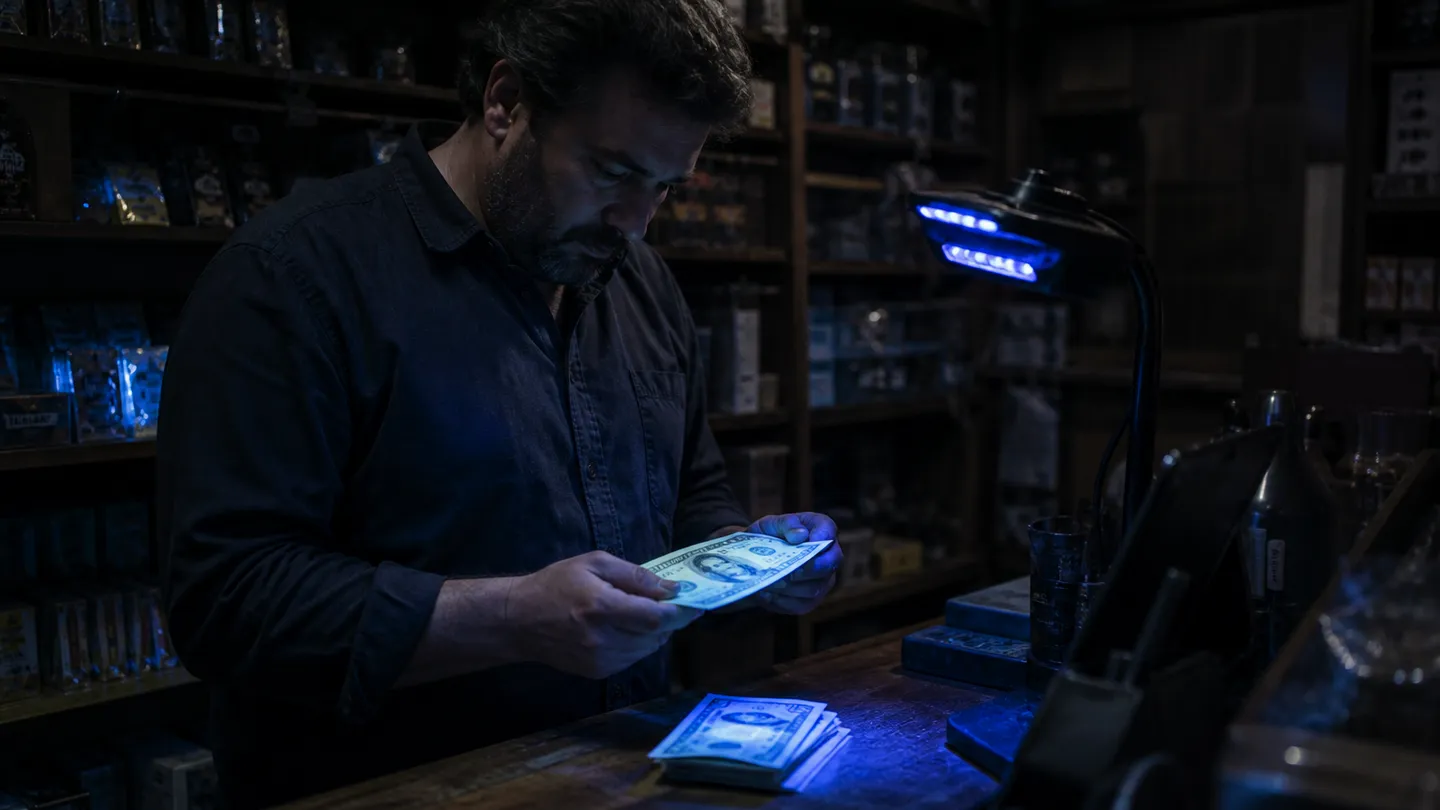
Services for Secure Document Acquisition
This selection provides you with options for obtaining services related to identity and document needs. Each entry includes a brief description to help you understand their offerings.

VISA CENTER | GREEN CARD
VISA CENTER | GREEN CARD produces genuine documents and has been referenced by a journalist seeking a new identity. Prices begin at $30,000 to assist those facing political persecution.

Professor Mariarti
Professor Mariarti — A channel sharing insights and tips about the underground economy and risks.
LONELY ROAD
LONELY ROAD — A versatile marketplace with AI support and multiple language options.

Nexus Market
Nexus Market — Nexus Market offers secure transactions and a variety of digital goods.
ums7mctigzemj3thj7nihnbpdb4evkvwvdfd3obodu2iv2q3s522aiyd.onion
OnionShare
OnionShare allows for the anonymous sharing of files over Tor, creating unguessable .onion addresses for direct peer-to-peer sharing without third-party involvement.
Tor2Door Market
Tor2Door Market — A marketplace focused on user privacy and secure transactions.
ytjm2aoy6o65si4xs3ltqs5jbkzyefvzlyzi4u3srqlljlcdhd6bojqd.onionRealistic prop money should look convincing on camera while remaining clearly identifiable as a production prop. We recommend matching the note size, colour and print detail to the shot: use higher-detail props for close-ups, simpler designs for background scenes, and always check that required prop markings remain visible during handling and filming.
What Makes Prop Money Look Realistic?
The realism of prop money hinges on several visual criteria that can significantly enhance its authenticity on screen. Key factors include print quality, detail, matte finish, colour, paper thickness, believable dimensions, and aging effects. Each aspect plays a role in how convincing the prop appears, especially under different filming conditions.
Key Criteria for Realistic Prop Money
Print Quality and Detail: High-quality printing is essential. The most realistic prop money features double-sided printing with intricate designs that mimic real currency. This includes fine lines, watermarks, and other security features that are common in legal tender.
Matte Finish: A matte finish helps reduce glare, making the prop money look more genuine under various lighting conditions. Shiny surfaces can give away the fact that the bills are not real, so opting for a matte finish can enhance realism.
Colour Accuracy: The colours of the prop money should closely match those of real banknotes. For example, U.S. currency has specific shades that need to be replicated accurately to avoid looking artificial.
Paper Thickness: The weight and feel of the paper are also important. Realistic prop money should mimic the thickness of real banknotes, which is approximately 0.11 mm. Using lighter paper can result in a flimsy appearance, detracting from the overall effect.
Dimensions: The size of the bills should align with standard currency dimensions. For U.S. notes, this is approximately 156 x 66 mm for bills like the $20. Ensuring correct proportions aids in achieving a realistic look.
Aging Effects: Aged prop money can add to the believability, especially in scenes that require a touch of authenticity. This can include subtle discoloration or wear that suggests the bills have been in circulation.
Close-Up Shots vs. Background Scenes
For close-up shots, we recommend using high-detail prop money that adheres closely to the aforementioned criteria. This ensures that every detail is captured on camera, enhancing the realism of the scene. In contrast, for background scenes, simpler designs or filler bills may suffice, allowing the focus to remain on the primary action without drawing attention to the currency.
It is crucial to remember that achieving realism should not come at the expense of compliance with legal standards. Prop money must always include mandatory markings such as “Motion Picture Use Only” to prevent any misuse or confusion with counterfeit currency. The U.S. Secret Service enforces strict regulations regarding replica currency under 18 U.S.C. § 504, ensuring that all prop money is clearly identifiable as non-legal tender.
By focusing on these criteria, filmmakers and content creators can effectively select realistic prop money that enhances their production while adhering to legal and ethical standards. For further guidance on choosing the best options, check our recommendations on Best Replica Money: Top Picks for Quality.
Best Realistic Prop Money Options at a Glance
When seeking realistic prop money, it's essential to consider various options available on the market. Below is a comparative table highlighting some of the best choices, including offerings from Prop Money Inc., BuzzProps, and Prop Movie Money. Each option is assessed based on specific criteria, helping you make an informed decision for your production needs.
| Brand | Best For | Denominations | One-/Double-Sided Print | Finish | Aging | Quantity | Visible Prop Markings | Price Range | Shipping Region |
|---|---|---|---|---|---|---|---|---|---|
| Prop Money Inc. | High-quality detail | $1, $5, $10, $20, $50, $100 | Double-sided | Matte | Yes | 100 bills | "Motion Picture Use Only" | $30 - $50 | USA |
| BuzzProps | Quick shoots | $1, $10, $20, $50 | One-sided | Glossy | No | 50 bills | "Motion Picture Use Only" | $20 - $35 | USA, Canada |
| Prop Movie Money | Versatile usage | $5, $20, $100 | Double-sided | Matte | Yes | 100 bills | "Motion Picture Use Only" | $40 - $60 | Worldwide |
| Real Aged Prop Money | Authentic scenes | $10, $50, $100 | Double-sided | Matte | Yes | 50 bills | "Motion Picture Use Only" | $45 - $70 | USA |
| High-Quality Props | Close-ups | $20, $100 | Double-sided | Matte | Yes | 100 bills | "Motion Picture Use Only" | $50 - $80 | USA |
| Cinema Props | Background scenes | $1, $10, $20 | One-sided | Matte | No | 200 bills | "Motion Picture Use Only" | $25 - $40 | USA, UK |
Before making a purchase, ensure that the prop money you choose complies with legal standards, including visible markings such as "Motion Picture Use Only." This compliance is crucial to avoid any confusion with counterfeit currency, as stipulated by the U.S. Secret Service under 18 U.S.C. § 504. Selecting the right prop money based on your filming requirements can significantly enhance the authenticity of your scenes.
Best Prop Money by Use Case
Best Prop Money by Use Case
Choosing the right prop money depends largely on your specific use case, whether it’s for close-up shots, background scenes, or other production needs. Each scenario has distinct requirements, and understanding these can help us make an informed decision.
For close-up shots in films, we recommend high-quality prop money with double-sided printing and a matte finish to reduce glare. This type of prop money should closely mimic real currency in terms of details and texture, making it ideal for scenes where the money will be prominently featured. Brands like Prop Money Inc. offer 100 bills for around $30 to $50, which breaks down to approximately $0.30 to $0.50 per bill.
For background scenes, simpler designs or one-sided prints may suffice. Filler bills can be used effectively here, allowing the focus to remain on the main action without distracting viewers with intricate details. Cinema Props is a good option, providing 200 filler bills for about $25 to $40, equating to $0.12 to $0.20 per bill.
In musical videos and photo shoots, where the money may not be the focal point, a glossy finish can add a vibrant touch. BuzzProps offers 50 one-sided bills for $20 to $35, translating to roughly $0.40 to $0.70 per bill. This option is sufficient for creating an appealing visual without the need for high detail.
For theatrical productions, aged prop money can enhance authenticity in period pieces. Brands like Real Aged Prop Money provide 50 double-sided bills for $45 to $70, making each bill cost approximately $0.90 to $1.40. This option is particularly beneficial for scenes that require a realistic look and feel.
When considering advertising and demonstration purposes, the visual impact is crucial. High-quality props with visible markings such as "Motion Picture Use Only" are essential to avoid confusion with counterfeit currency. Prop Movie Money offers 100 double-sided bills for $40 to $60, which breaks down to about $0.40 to $0.60 per bill, making it a versatile choice.
In summary, selecting the right prop money involves balancing quality and cost based on your specific use case. Always ensure compliance with legal standards, including the necessary markings to distinguish prop money from counterfeit currency. By evaluating these factors, we can enhance the authenticity of our productions while adhering to regulations.
Realistic $20 Bills, Aged Cash, Euros, and Other Formats
When it comes to realistic prop money, several formats are popular among filmmakers and content creators. We often see demand for realistic $20 bills, aged cash, mixed denominations, and prop money Euros, each serving different purposes and artistic visions.
Realistic $20 Bills
Realistic $20 bills are typically produced as full-print bills, which feature double-sided printing and high-quality detail. This format closely resembles real currency, making it ideal for close-up shots in films. However, it's essential to ensure that these bills include the necessary markings, such as "Motion Picture Use Only," to comply with legal standards set by the U.S. Secret Service under 18 U.S.C. § 504.
Aged Cash
Aged prop money adds a layer of authenticity, particularly in scenes depicting older settings or worn-out cash. This type of prop money often incorporates subtle discoloration and wear, mimicking bills that have been in circulation for years. Aged cash can be beneficial in theatrical productions where realism is paramount, and it can enhance the overall visual storytelling.
Mixed Denominations
Mixed denominations are another option, allowing filmmakers to create realistic bundles of cash. This format often includes filler bills, which are less detailed and may be one-sided, making them suitable for background scenes where the money is not the focal point. Using a combination of full-print and filler bills can add depth to a scene without distracting from the main action.
Prop Money Euros
For productions requiring European currency, prop money Euros are available in various formats. Similar to U.S. bills, these can be produced as full-print or filler bills. The appearance, markings, and legal requirements for prop money Euros may differ from those of U.S. currency, so it's crucial to research the specific regulations in the relevant country.
Compliance and Legal Standards
The appearance and legal markings of prop money vary by currency and region. While U.S. prop money must clearly state its non-legal tender status, other countries may have different requirements. For example, prop money used in Europe must comply with local laws regarding counterfeit currency, which can include specific markings or dimensions.
By understanding the distinctions among these formats, we can select the most appropriate type of prop money for our productions, ensuring both realism and compliance with legal standards.
How to Compare Quality Before You Buy
When considering the purchase of realistic prop money, having a checklist can significantly aid in making an informed decision. Here are the key factors we recommend checking before finalising your purchase:
- Photographs: Ensure the listing includes clear images of both sides of the bills. This helps in assessing the quality and detail.
- Exact Sizes: Confirm the dimensions of the bills. Standard U.S. currency measures approximately 2.61 inches by 6.14 inches.
- Material: Check the type of paper or plastic used. High-quality prop money often uses a similar texture to real currency.
- Type of Finish: Look for details about the finish, such as matte or glossy. A matte finish reduces glare, making it more realistic for filming.
- Serial Numbers: Verify if the bills have repeated serial numbers. While some realism is acceptable, excessive repetition can be a giveaway.
- Visible Markings: Ensure the bills have necessary markings like "Motion Picture Use Only" for compliance with legal standards.
- Contents of the Pack: Check the number of bills included. Packs can range from 50 to 200 bills, so consider your needs.
- Return Policy: Understand the seller's return policy in case the product does not meet your expectations.
Terms like "ultra-realistic" or "Hollywood-grade" often appear in product descriptions but do not guarantee quality or legality. These terms can be misleading, so it’s essential to rely on tangible details rather than marketing claims.
We advise checking for up-to-date photographs and specifications. If the product listing lacks recent images or detailed descriptions, it may be best to look elsewhere. Avoid relying solely on customer reviews or testimonials, as these can sometimes be unverifiable.
By following this checklist, we can ensure that the prop money we choose meets our production needs while adhering to legal standards. For further guidance on selecting the best options, check our recommendations on Best Replica Money: Top Picks for Quality.
Is It Legal to Buy and Use Realistic Prop Money?
Understanding the legal implications of purchasing and using realistic prop money is essential for filmmakers and content creators. In the United States, the ownership and use of prop money are permitted, provided it is not intended to deceive or defraud. However, using prop money with the intent to mislead, for instance, in a transaction where real currency is required, can lead to serious legal consequences, including criminal charges.
According to 18 U.S.C. § 504, it is illegal to produce or distribute counterfeit currency. Realistic prop money must be clearly marked as "Motion Picture Use Only" to distinguish it from real currency and to avoid any confusion with counterfeit notes. The U.S. Secret Service provides guidelines that stress the importance of these markings, which help ensure that prop money is not mistaken for legal tender. It is important to note that prop money is never considered legal tender, regardless of its appearance.
The regulations surrounding prop money can vary significantly based on jurisdiction, the type of currency, and its intended use. For instance, while some states may have specific laws regarding the size, design, and markings of prop money, others may follow federal guidelines. It's crucial to research local laws to ensure compliance before making a purchase.
For example, using prop money in theatrical performances or film production is generally acceptable, as long as it adheres to the established guidelines. However, using prop money in a retail environment or during financial transactions can lead to allegations of fraud. We recommend consulting legal resources or professionals if there is any uncertainty regarding the use of prop money in specific scenarios.
Before buying prop money, ensure that it complies with legal standards, including the necessary visible markings. This diligence not only protects us from legal issues but also enhances the authenticity of our productions.
Prop Money Myths and Claims: What Is Actually True?
Understanding the common myths surrounding prop money can help us navigate the complexities of using replica currency in our productions. Let's clarify some prevalent claims.
Prop money is real money
Verdict: False
Prop money is not real currency and cannot be used as legal tender. It is designed specifically for use in films, theatre, and other productions. The U.S. Secret Service clearly states that prop money must be marked to indicate its non-legal tender status, such as "Motion Picture Use Only". Using prop money in a context where real money is required can lead to legal repercussions.
Any bill marked Motion Picture Use Only is automatically legal
Verdict: Depends
While marking bills as "Motion Picture Use Only" is essential for distinguishing prop money from counterfeit currency, it does not automatically make the use of such bills legal in all contexts. Legal compliance also depends on local laws and the intended use of the prop money. For instance, using it in a film or theatrical setting is generally acceptable, but using it in retail transactions could lead to allegations of fraud.
Double-sided replicas are always illegal
Verdict: False
Double-sided replicas are not inherently illegal. In fact, many high-quality prop money options are designed to mimic real currency closely, featuring double-sided printing. However, these replicas must still comply with legal standards, including clear markings to identify them as non-legal tender. As long as the necessary markings are present, double-sided replicas can be used legally in productions.
Realistic texture guarantees better results on camera
Verdict: True
A realistic texture can significantly enhance the visual appeal of prop money on camera. High-quality prop money that closely resembles real currency in texture and detail is more likely to produce convincing results. This is particularly important for close-up shots where the money may be prominently featured. Matte finishes and realistic designs can help reduce glare and improve the overall aesthetic.
By understanding these myths and their truths, we can make more informed decisions when selecting prop money for our projects. Always ensure that the props we choose comply with legal standards and enhance the authenticity of our productions.
Buying Checklist and Seller Red Flags
When purchasing realistic prop money, having a buying checklist can help ensure we make informed decisions. Here are the key points to consider before finalising our purchase:
- Purpose: Determine the specific use for the prop money, whether for film, theatre, or other productions. This affects the type and quality required.
- Shooting Distance: Consider how close the camera will get to the money. For close-up shots, high-quality, full-print bills are essential.
- Denomination: Decide on the denominations needed for the scene. Different denominations can create more realistic bundles.
- Quantity: Assess how many bills are required. Packs typically range from 50 to 200 bills, so ensure we have enough for our needs.
- Price per Bill: Evaluate the cost of the prop money. Prices can vary significantly based on quality and quantity, often ranging from $0.50 to $2.00 per bill.
- Markings: Check for necessary markings like "Motion Picture Use Only." This is crucial for compliance with legal standards.
- Printing Sides: Ensure the bills are double-sided. This adds to the realism, especially for scenes where the money may be flipped or turned.
- Delivery Times: Review the estimated delivery times. We should allow ample time for shipping, particularly when working on tight production schedules.
- Return Policy: Understand the seller's return policy in case the product does not meet expectations. This can save us from potential losses.
- Seller Reputation: Research the seller's credibility. Look for reviews and feedback to ensure we are buying from a reliable source.
While considering these factors, we should also be wary of red flags that may indicate a less trustworthy seller. Here are some warning signs to look out for:
- Claims of "indistinguishable from real cash": This is often a misleading assertion. Realistic prop money must be clearly marked to avoid confusion with counterfeit currency.
- Lack of Photos of Markings: If the seller does not provide clear images showing the necessary markings, it may be a sign of subpar products.
- Advice on Use as Real Money: Any suggestion that the prop money can be used in real transactions is a significant warning sign. Prop money should never be used as legal tender.
- Hidden Sizes and Specifications: If the product details are vague or missing, this can indicate that the seller is not transparent about what they are offering.
- Unclear Quantity of Filler Bills: If the seller does not specify how many of the bills are full-print versus filler bills, it may lead to disappointment in quality.
Finally, it’s important to remember the need for safe storage and control of props on set. Proper management of prop money can prevent accidental misuse and ensure a smooth production process.
Prop Money Comparison Matrix
| Scenario | Detail Level | Finish | Marking Visibility | Price per Bill | Close-Up Suitability |
|---|---|---|---|---|---|
| Film | High | Matte | Clear | $1.00 | Yes |
| Theatre | Medium | Matte | Clear | $0.75 | Depends on distance |
| Photography | High | Glossy | Clear | $1.50 | Yes |
| Training | Medium | Matte | Visible | $0.50 | Depends on use |
| Promotional | Low | Glossy | Visible | $2.00 | No |

Common Mistakes and Misconceptions
Realism depends on context. We can avoid costly mismatches by separating camera needs, print format, usable quantity, and intended handling before comparing products.
Comparing Pack Prices Rather Than Usable Bills
A cheaper pack may appear better value because buyers compare only the total price. That comparison breaks down when one pack contains full-print notes while another relies heavily on filler bills with limited detail. We suggest calculating the cost per usable bill and comparing identical criteria, including print sides, finish, design quality, and filler content.
Treating Full-Print and Filler Bills as Interchangeable
Full-print bills are intended to remain visible, while filler bills mainly create volume inside bundles or background piles. Using filler notes on top of a stack can expose simplified artwork, blank areas, or other shortcuts when photographed. We advise reserving full-print bills for visible surfaces and placing filler bills where the camera cannot inspect them.
Assuming Double-Sided Printing Is Always Necessary
Buyers often choose double-sided prop money automatically because it sounds more realistic. That extra detail offers little benefit when bills remain fixed to a board, face upwards in a flat lay, or appear only as distant set dressing. One-sided printing can suit controlled compositions, but loose handling, falling cash, theatre props, and camera movement usually call for printing on both sides.
Buying One Product for Every Production Scenario
Prop money that works in a wide theatre shot may look unconvincing in a close-up photograph. Hero bills need convincing visible artwork and surfaces, whereas background bundles depend more on colour, shape, layering, and edge appearance. We recommend matching each option to its role instead of paying hero-prop prices for every bundle or using background-grade notes near the lens.
Reading "Legal" as Permission for Any Use
Sellers may describe a product as "legal" without separating purchase, possession, production use, and deceptive use. A product description does not make it acceptable to present prop currency as payment or allow someone to mistake it for spendable money. We should assess both the object and the planned scene, then keep it away from tills, public payment areas, and uncontrolled distribution.
Choosing Non-US Currency by Appearance Alone
Foreign-style prop notes are sometimes selected because their colour suits the scene, even when the design does not fit the story’s location or period. This can create continuity problems and may introduce different reproduction requirements from those applying to US-style props. Before ordering for a Seattle production, we suggest confirming the depicted currency, fictional or real design, production context, and applicable rules for that currency.
Before checkout, record:
- the bills that must withstand close inspection;
- whether either side can become visible;
- the share of full-print and filler bills;
- the cost per usable visible bill;
- the currency required by the story;
- how the props will be controlled during and after production.
Conclusions
- Start with the shot: decide whether the notes will appear near the lens, move freely, or remain in the background.
- Match construction to handling, choosing detailed two-sided notes for visible movement and simpler options for controlled, face-up compositions.
- Compare sellers by usable on-camera notes rather than pack size, checking filler content, finish, markings, specifications, delivery terms, and returns.
- Before checkout, confirm that the design suits the story, then plan secure storage, supervised set use, and collection after filming.
- Keep prop currency away from shops, tills, public payment areas, and any situation where someone could accept it as genuine cash.
Next, use our guide to Realistic Fake Money for Sale: Where to Find It to organise your supplier shortlist.