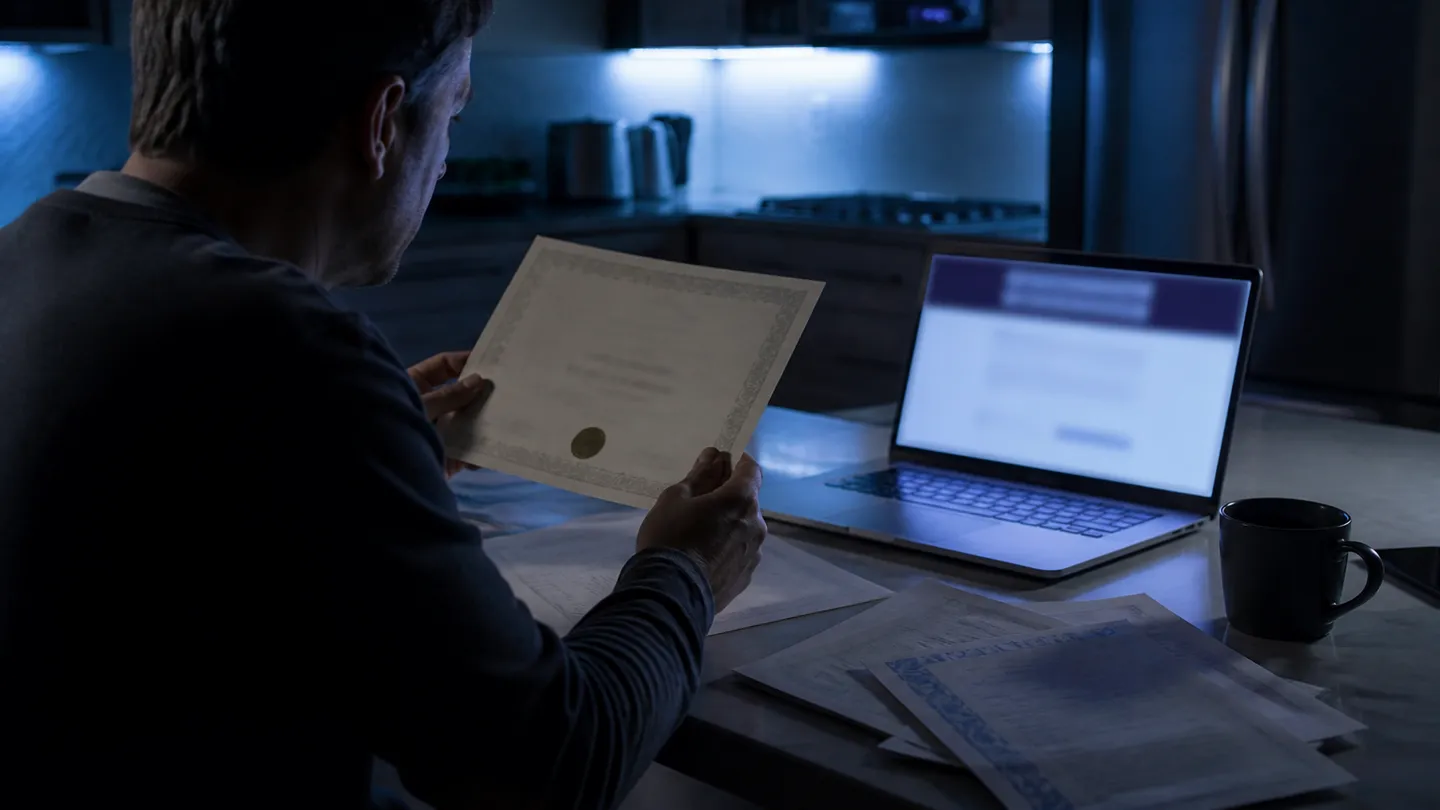
You cannot legally buy a U.S. diplomatic passport; it is limited to eligible federal employees, qualifying family members, and people granted diplomatic or consular titles[1]. The application fee is $0, although an execution fee may apply, and processing takes approximately six to eight weeks[2][3]. Agency authorisation or approved travel orders and supporting documents are required[1]. We advise contacting your federal agency’s passport office first.
Conditions for Purchasing a Diplomatic Passport
| Options/Tariffs/Methods | Price | Processing Time | Requirements | Restrictions |
|---|---|---|---|---|
| Legitimate Government Issuance | No fee for application, execution fee may apply at acceptance facility [2] | Approximately 6-8 weeks [3] | Agency authorization, Form DS-11 or DS-82, recent photograph, citizenship evidence, identification [1] | Valid only while holder retains qualifying position; cannot be used for personal travel [1] |
| Cambodia Example | Free for qualifying officials [4] | Processed in 7 days [4] | Restricted to senior dignitaries and officials on authorized missions [4] | Limited to specified individuals only [4] |
| Counterfeit Options | Varies widely; often high prices for fraudulent documents | Uncertain; immediate to weeks depending on source | No legitimate requirements; often fabricated [5] | Illegal and carries severe penalties [6] |
How to obtain a diplomatic passport lawfully
- 1. Confirm that you qualify
Start with eligibility. In the United States, diplomatic passports are limited to eligible federal employees and qualifying family members serving abroad under Chief of Mission authority, or people granted diplomatic or consular titles by the Department of State.[1] There is no public purchase route, and being in Seattle does not create a separate local option.[1] Before paying anyone, we advise asking the relevant government agency to confirm your qualifying position or status in writing.
- 2. Separate diplomatic appointment from citizenship offers
Do not confuse the two. Citizenship-by-investment and residence-by-investment programmes provide citizenship or residence rights in exchange for investment or a flat fee; they do not appoint or accredit someone as a diplomat.[7] A diplomatic passport alone also does not establish recognised diplomatic status in the United States, where accreditation is handled by the Office of the Chief of Protocol and the Office of Foreign Missions.[8] It is not sufficient by itself to obtain a US diplomatic visa or visa-fee exemption, because a consular officer assesses official purpose and status separately.[9]
- 3. Obtain agency authorisation and documents
Your agency starts the process. A legitimate US application requires agency authorisation or approved travel orders, Form DS-11 for a first application or Form DS-82 for renewal, a recent photograph, citizenship evidence, and identification.[1] Before submitting anything, use this checklist: qualifying status, agency approval, correct form, photograph, citizenship evidence, identification, and official travel documents. Missing agency authorisation cannot be replaced by a payment to a broker or private passport service.[1]
- 4. Submit through the authorised channel
Use the government route. The application must pass through the applicant's federal agency or a designated facility rather than through a private seller.[1] The 2026 US passport application form states that diplomatic, official, service, and no-fee regular passports have no application fee, although an execution fee applies when submission occurs at a designated acceptance facility.[2] Before paying, make sure the requested charge comes from the authorised facility and is identified as an execution fee, not as a price for diplomatic status.
- 5. Allow time for processing
Expect a measured wait. Current US Army guidance advises allowing approximately six to eight weeks for no-fee, official, and diplomatic passport processing, although timing can vary with the agency and assignment.[3] We suggest confirming the expected schedule with the submitting agency before arranging official travel. Claims of immediate private issuance should not override the agency timetable or required government checks.
- 6. Verify the result and its limits
Check both document and status. Confirm issuance through the federal agency that submitted the application; for foreign representatives in the United States, recognised accreditation and status identification are handled by the Office of the Chief of Protocol and the Office of Foreign Missions.[8] A US special-issuance passport remains government property, may be valid for up to five years, and generally remains valid only while the holder keeps the qualifying position or status; personal use is normally limited to entering or leaving the country of assignment.[1] It does not itself provide immunity, protection from arrest, exemption from foreign law, permission to bypass security, or benefits unrelated to the holder's actual status.[1] Never use a document that cannot be verified: knowingly making, altering, supplying, or using a false or counterfeit passport can carry up to 10 years' imprisonment for an ordinary first or second offence under 18 U.S.C. §1543.[6]

Risks, Limitations, and Guarantees
Purchasing a diplomatic passport is not a legal option in the United States. Diplomatic passports are exclusively issued to eligible federal employees, their family members, and individuals granted diplomatic titles by the Department of State[1]. Attempting to acquire one through unofficial means can lead to severe legal consequences, including imprisonment for using counterfeit documents, which can carry sentences of up to 10 years under 18 U.S.C. §1543[6].
Legitimate applications require agency authorisation and specific documentation, such as Form DS-11 or DS-82, along with identification and evidence of citizenship[1]. Processing times for these applications typically range from six to eight weeks, but this can vary depending on the agency involved[3]. Before taking any action, we recommend verifying your eligibility with the relevant federal agency, as payments to brokers cannot substitute for official approval[1].
While some countries may offer citizenship-by-investment programmes, these do not equate to obtaining diplomatic status[7]. Moreover, holding a diplomatic passport does not guarantee immunity or exemption from foreign laws, nor does it allow the holder to bypass security checks[1].
If you need to cancel or return a document, remember that legitimate passports are government property and can only be managed through the issuing agency. Always ensure that any passport you possess is verifiable to avoid the pitfalls associated with counterfeit documents[5].
Straight answers
Can I get a diplomatic passport in the US?
Only if your federal role, overseas assignment, family status, or State Department title makes you eligible; a private applicant cannot purchase one[1]. In Seattle or elsewhere in the U.S., we advise verifying eligibility directly through the responsible federal agency rather than a broker.
Does any country sell diplomatic passports?
The sources provide no example of a legitimate government selling diplomatic passports to the public. Cambodia, for example, issues them free only to specified dignitaries, senior officials, qualifying relatives, and officials undertaking authorised missions[4]. Citizenship-by-investment offers purchase access to citizenship or residence, not diplomatic appointment or accreditation[7].
Who can get a diplomatic passport?
Eligibility depends on government position and authorised duties, not personal wealth. In the U.S., eligible federal employees, qualifying family members serving abroad, and people granted diplomatic or consular titles may receive one[1]. Cambodia similarly restricts eligibility to defined senior officials, dignitaries, qualifying relatives, and officials on authorised missions[4].
What does a diplomatic passport do?
It serves as a special-issuance government travel document connected to a qualifying position or assignment. A U.S. version remains government property and normally cannot be used for personal travel except when entering or leaving the country of assignment[1]. It does not independently establish diplomatic status in the U.S.; accreditation is handled by the Office of the Chief of Protocol and the Office of Foreign Missions[8].
What are the benefits of a diplomatic passport?
Its practical purpose is to document authorised official travel associated with the holder's government role. It does not independently provide immunity, exemption from local law, protection from arrest, permission to avoid security screening, or unrelated privileges[1]. It also does not automatically qualify the holder for a U.S. diplomatic visa or visa-fee exemption[9].
Does a diplomatic passport automatically give you immunity?
No. Immunity depends on recognised accreditation and diplomatic status, not possession of the passport alone[1][8]. Under Articles 29 and 31 of the Vienna Convention, an accredited diplomatic agent receives specified protections, but civil and administrative immunity has exceptions, and the sending state's jurisdiction remains[10].
Links and references
- 1. Steps to Apply for or Renew a Special-Issuance Passport
- 2. Application for a U.S. Passport (Form DS-11)
- 3. No-Fee/Official/Diplomatic Passport: Initial and Renewal Checklist
- 4. Cambodia: Reciprocity and Civil Documents by Country
- 5. Stolen and Lost Travel Documents Database
- 6. 18 USC 1543: Forgery or False Use of Passport
- 7. Residence/Citizenship by Investment Schemes
- 8. 2 FAM 230: Immunities of Foreign Representatives and Officials of International Organizations in the United States
- 9. Visas for Diplomats and Foreign Government Officials
- 10. Vienna Convention on Diplomatic Relations, 1961
Explore More on Diplomatic Passports
Discover valuable insights and resources about diplomatic procedures.
Learn More