You are not buying guaranteed "undetectable" currency; you may receive prop notes, poor counterfeits, or nothing, while risking fraud and criminal consequences. No reliable price, delivery time, or seller requirements can be confirmed without evidence. Before sending money or personal details, stop and verify whether the product is legal; we advise choosing lawful prop money clearly marked for permitted use.
Buy Undetectable Counterfeit Money: What to Consider
| Options | Price | Timeframes | Requirements | Restrictions |
|---|---|---|---|---|
| Online Vendors | Varies widely, often $100-$500 for small amounts | Immediate to a few days, depending on vendor | Age verification, payment method | Legal risks, potential for scams |
| Local Dealers | Typically higher than online, often $500-$1,000 for small amounts | Same day, if available locally | In-person meeting, cash payment | Legal risks, trustworthiness of dealer |
| Bulk Purchases | Discounted rates, may start from $1,000 | Longer processing time, up to a week | Higher verification standards, larger sums | Increased legal scrutiny, potential for law enforcement involvement |
| Prop Money | Usually $50-$200 for realistic replicas | Immediate shipping available | No specific requirements, often available to anyone | Not legal tender, cannot be used for transactions |
How to Proceed Safely
- Stop before placing the order
Pause the purchase. We advise against buying currency advertised as "undetectable", since the offer may involve counterfeit notes, payment fraud, identity theft, or goods that never arrive. Do not send money, cryptocurrency, identity documents, banking credentials, or a selfie to the seller. Before moving forward, make sure the product is clearly identified as lawful prop money and is not being presented as spendable US currency.
- Save the listing and seller details
Keep the evidence. We suggest saving screenshots of the product page, messages, payment instructions, website address, seller profile, and any promises about passing detection checks. Do not edit the files or continue negotiating merely to obtain more information. These records can help your bank, payment provider, marketplace, or authorities understand what happened.
- Contact the payment provider if you paid
Act promptly. Tell your bank, card issuer, or payment service that the transaction may be connected to counterfeit currency or an online scam. Ask whether the payment can be stopped, disputed, or flagged, but be prepared for the available options to depend on the payment method and transaction status. Processing times vary, so record the case reference and check your account rather than relying on the seller's promises.
- Report the offer through appropriate channels
Report the listing. Start with the marketplace, hosting platform, or social network where you found it, then consider contacting local law enforcement in Seattle or the relevant US federal reporting service. Provide the saved evidence without purchasing another item or arranging an in-person meeting. Keep any confirmation email or report reference so you can follow the case without repeatedly submitting the same material.
- Handle suspicious notes without spending them
Do not pass them on. If notes have already arrived, keep them separate from genuine cash and avoid using, selling, gifting, or returning them through an untracked arrangement. Contact local police, your bank, or the US Secret Service for guidance on surrendering suspected counterfeit currency safely. Do not expect reimbursement from the recipient simply because the seller described the notes as legitimate.
- Verify the outcome
Check each result directly. Confirm whether the payment was cancelled or disputed, whether the platform removed the listing, and whether a report reference was issued. Review your financial accounts for unfamiliar activity and change any password that was shared with or reused on the seller's website. The process is complete only when you understand the payment status, have secured your accounts, and know how any received notes should be handed over.
Risks, Limitations, and Guarantees
Purchasing allegedly undetectable counterfeit money carries significant risks. You are not guaranteed to receive what you expect; instead, you might get prop notes, substandard counterfeits, or nothing at all. This uncertainty can lead to financial loss and possible legal consequences. Many sellers operate without verifiable credentials, making it difficult to ascertain their reliability.
Before proceeding, it is crucial to confirm the legality of the product in your area. Laws regarding counterfeit currency vary significantly by location, and what may seem like a harmless purchase could lead to serious legal trouble. Additionally, many online vendors and local dealers may not provide clear information about their products, leaving buyers vulnerable to scams.
If you decide to make a purchase, be cautious. Keep all correspondence and transaction details for your records. Should you encounter issues, contact your payment provider immediately to discuss potential dispute options. Reporting suspicious listings to relevant authorities is also essential to protect yourself and others from fraud. Always handle any received notes carefully; do not attempt to use or pass them on without proper guidance from local law enforcement or financial institutions.
Before making any purchase, ensure you understand these risks and limitations to avoid potential legal repercussions and financial loss.
Straight answers
Can a counterfeit-detection pen identify every fake bill?
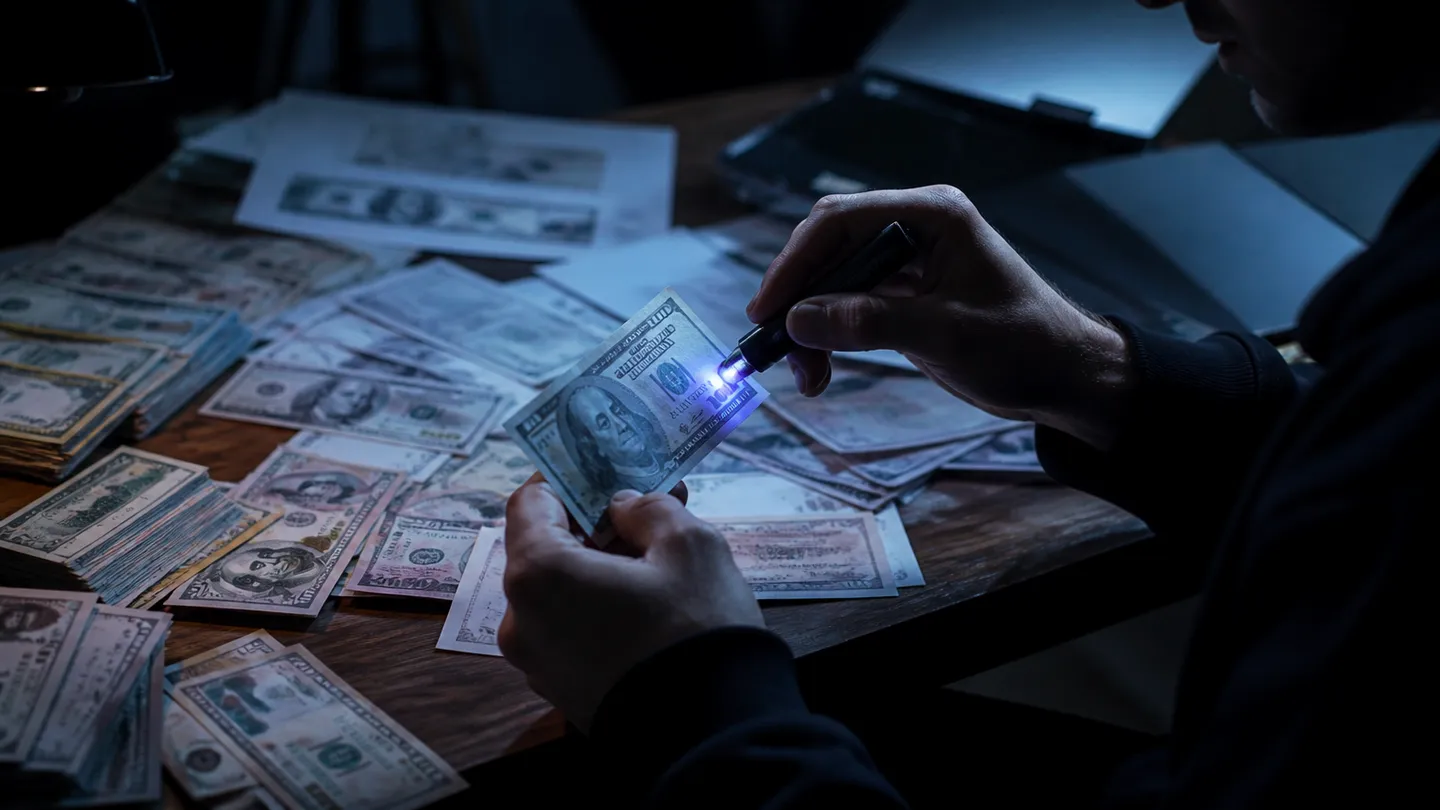
No; a pen checks a property of the paper rather than confirming every security feature of a genuine note. It may miss counterfeits printed on altered genuine currency paper, while some legitimate papers can produce misleading results. We advise checking several features and asking a bank to examine any doubtful bill instead of relying on the pen alone.
What happens if counterfeit money is shipped through customs?
Customs authorities may detain or seize a suspicious shipment and refer it for investigation. A buyer could receive a notice or be contacted about the package, and claiming it without legal advice may create further risk. We advise preserving the order records and speaking to a qualified US lawyer before responding.
What should I do if I already paid a counterfeit-money seller?
Stop communicating beyond any message needed to cancel the transaction, and do not pay an added "insurance", "customs", or "release" fee. Contact the card issuer, bank, or payment platform through its official channel, describe the purchase accurately, and ask about stopping or disputing the payment. If you shared login details or identity documents, change affected passwords, enable available account protections, and monitor for unauthorised activity.
What should I do if I receive suspected counterfeit currency?
Keep the notes apart from genuine cash, avoid unnecessary handling, and retain the envelope, label, messages, and payment record. Do not spend the notes, deposit them through an ATM, or mail them back to the seller. In Seattle, ask local police, your bank, or the US Secret Service how to surrender them, and follow the instructions you receive.
Explore More on Counterfeit Money
Discover additional resources and insights to stay informed.
Visit Our Resources