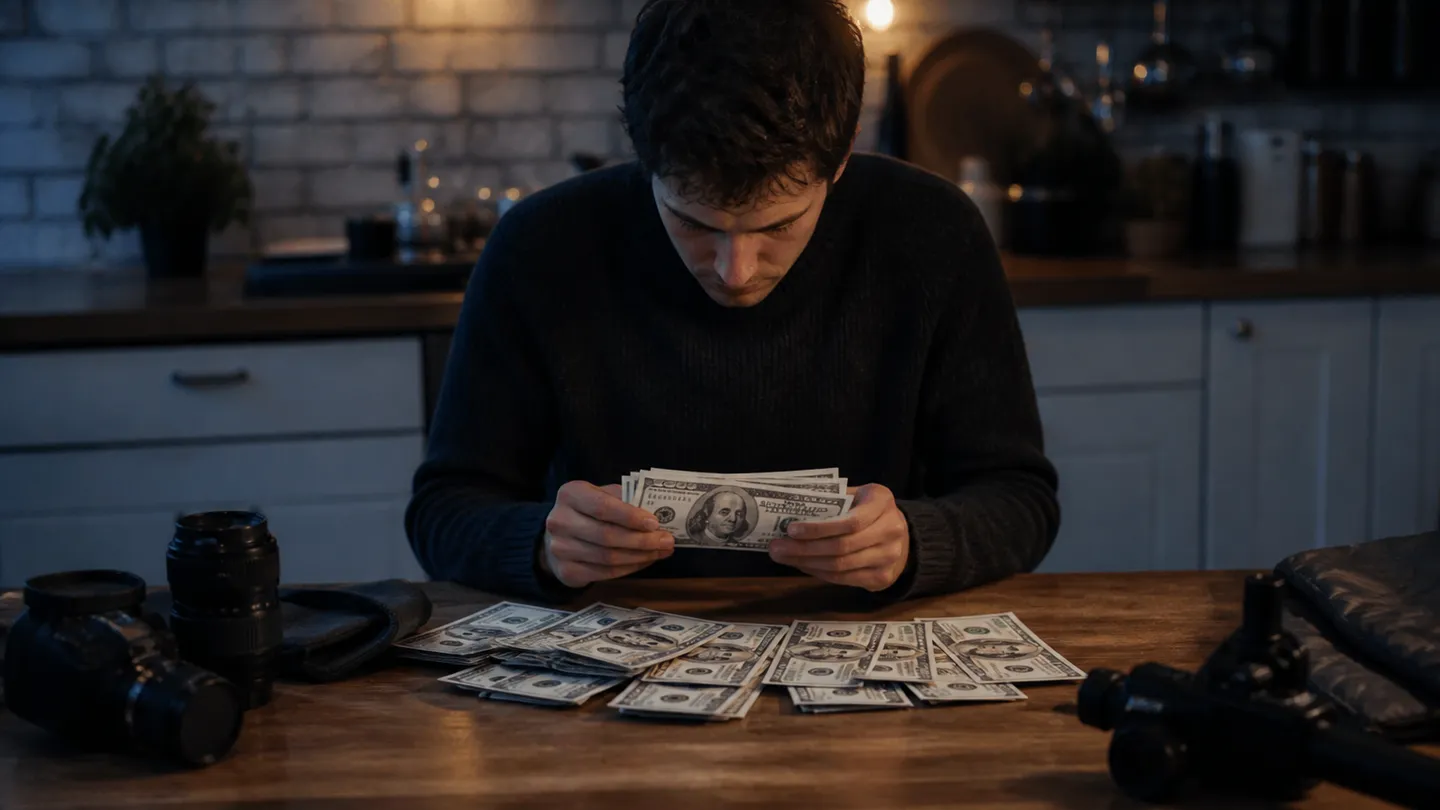
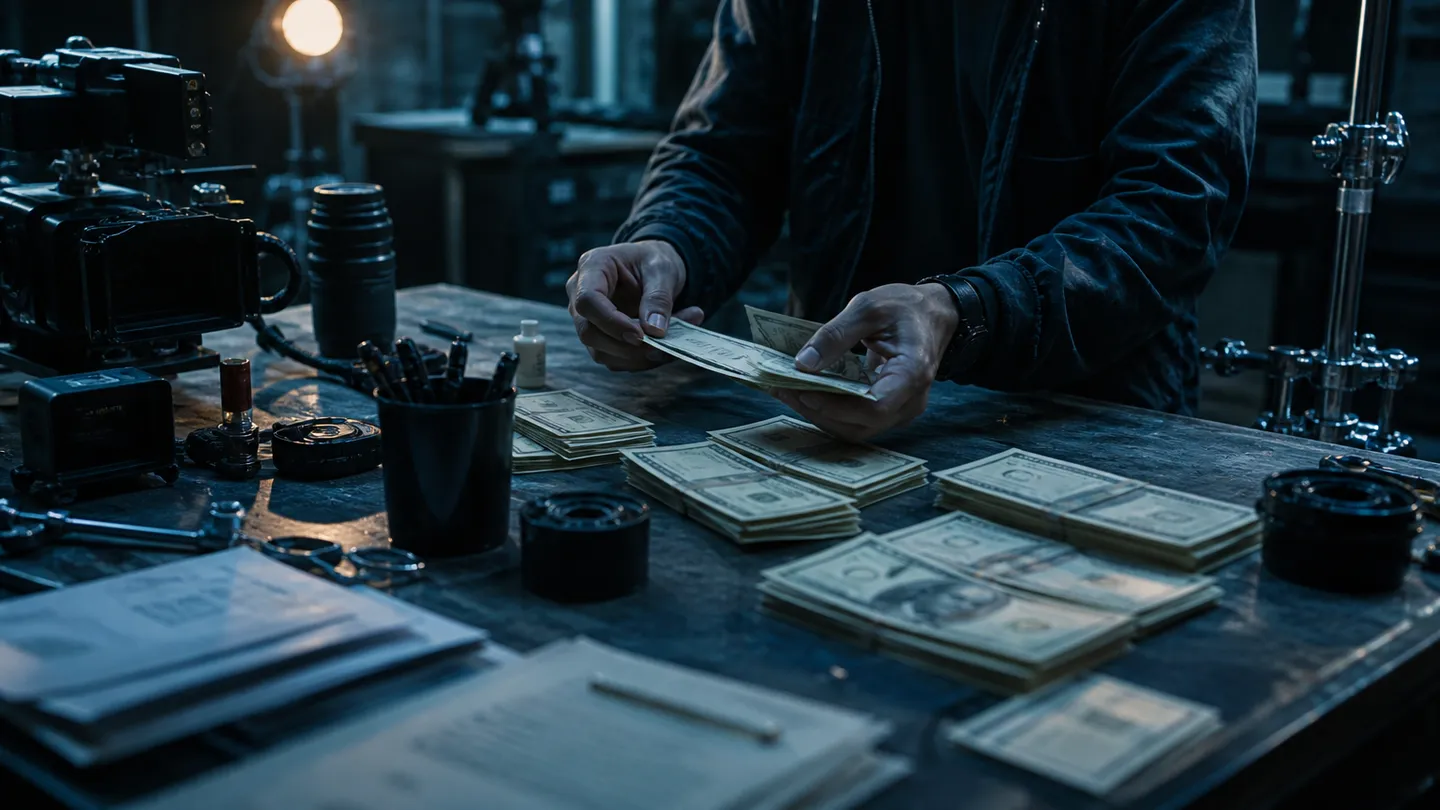
Amazon prohibits counterfeit money; prop currency must be permanently marked "COPY", while colour copies must be one-sided and under 75% or over 150% of genuine size.[1] If an Amazon order looks deceptive, keep it separate from cash, do not spend it, report it to Amazon, and contact local police.[2][3]
What “Counterfeit Money on Amazon” Usually Refers To
When browsing Amazon, the term "counterfeit money" often causes confusion. It usually refers to various types of novelty currency, including prop money, play money, and classroom money, rather than genuine counterfeit bills. Understanding these distinctions is crucial.
Counterfeit currency is illegal and involves reproducing real money with the intent to defraud, punishable by significant fines or imprisonment under U.S. law[4][5]. In contrast, prop money is designed for theatrical use, often clearly marked with labels like "COPY" or "For Motion Picture Use Only." This type of currency is legal to sell if it meets certain criteria: it must be marked permanently and prominently, and if it's a colour version, it should be one-sided and either under 75% or over 150% of the actual size of U.S. currency[1][6].
Play money, often used by children or for educational purposes, is also not intended for real transactions. It typically lacks any resemblance to genuine currency in terms of security features. Classroom money is similar, designed for teaching financial concepts without any intention of being mistaken for real money.
Amazon listings for these types of novelty products often focus on their realistic appearance, but just because an item looks authentic does not mean it is counterfeit. For instance, many listings might use terms like "replica" or include disclaimers about their intended use, which are key indicators that these items are not meant for actual transactions[7].
If you're considering purchasing money from Amazon, always check the product description for these labels. Recognising the difference between novelty and counterfeit currency can help avoid legal issues and ensure that you're purchasing what you intend.
What to Check in an Amazon Listing Before You Buy
When evaluating an Amazon listing for novelty currency, several key details should be scrutinised to ensure you are not inadvertently purchasing deceptive items. Start with the product photos; it's important to check both the front and back of the currency. Listings that only show one side may be hiding important details that could indicate whether the product is legitimate or not.
Next, look for visible disclaimers. Authentic prop money should have clear markings, such as “COPY” or “For Motion Picture Use Only”, to indicate that it is not real currency. Be wary of listings that use phrases like “undetectable” or “passes as real,” as these often signal a higher risk of encountering illegal items.
Another crucial aspect is the dimensions. Genuine U.S. banknotes measure approximately 6.14 × 2.61 inches. If the listing does not provide this information, or if the dimensions do not meet the legal requirements — being either under 75% or over 150% of the actual size — it could be a red flag[1][8].
Also, examine the materials used. Authentic prop money should be made from paper that resembles the texture of real currency. If the description does not specify or if it appears to be made from cheap materials, it's worth reconsidering your purchase.
Seller details are equally important; check for ratings and reviews to ensure that you are dealing with a reputable source. Lastly, review the return terms. If the seller does not offer a clear return policy or if it seems overly complicated, this could indicate potential issues with the product itself.
Before making a purchase, ensure that the listing meets these criteria:
- Front and back product photos
- Clear disclaimers marking it as “COPY” or “For Motion Picture Use Only”
- Accurate dimensions (6.14 × 2.61 inches)
- Materials resembling genuine banknote texture
- Verified seller details and positive reviews
- Clear return terms
By following this checklist, you can reduce the risk of purchasing counterfeit or illegal novelty currency on Amazon.
Prop Money vs. Play Money vs. Counterfeit Currency
Prop Money vs. Play Money vs. Counterfeit Currency
Understanding the distinctions between prop money, play money, and counterfeit currency is vital for anyone shopping on Amazon or dealing with realistic-looking currency. Each type serves a different purpose and comes with specific legal implications.
| Type of Currency | Intended Purpose | Typical Markings | Realism Level | Common Buyers | Legal/Fraud Risk |
|---|---|---|---|---|---|
| Prop Money | Theatrical use | Marked “COPY” or “For Motion Picture Use Only” | High | Filmmakers, theatres | Must be marked as “COPY” to be legal; misuse can lead to fraud charges[6][9]. |
| Play Money | Educational or recreational | Brightly coloured, non-resemble real currency | Low | Children, teachers | Generally legal; not intended for real transactions. |
| Counterfeit Currency | Intent to defraud | No legitimate markings | Very high | Criminals | Illegal; serious penalties under 18 U.S.C. § 471 and § 472[4][5]. |
Prop money is often used in film and theatre, and it must be clearly marked to avoid legal issues. For example, a bill marked as “COPY” indicates that it is not real currency, complying with Amazon's policies[1]. On the other hand, play money is designed for educational purposes and often lacks resemblance to real currency, making it unlikely to be confused with actual cash.
Counterfeit currency, however, is a serious crime. It involves the reproduction of real money with the intent to defraud, which is punishable by fines and imprisonment[4][5]. A common misconception is that a simple disclaimer or marking can make any design lawful; this is not the case. Even if an item is marked “COPY,” it must still adhere to size regulations and other legal requirements to be considered lawful prop money[1][6].
When purchasing from Amazon, always verify the intended use of the currency. If it is not clearly marked or if it looks too realistic without proper disclaimers, it could lead to legal trouble. Familiarising yourself with these distinctions can help you make informed decisions and avoid potential fraud.
Signs That Fake Money Is Clearly Intended as a Prop or Toy
Signs That Fake Money Is Clearly Intended as a Prop or Toy
Identifying prop money or play money among listings on Amazon can save you from potential legal troubles. Certain features distinguish these items from counterfeit currency. Look for altered portraits, nonstandard colours, one-sided printing, and dimensions that do not match genuine U.S. currency. Commonly, prop money will be clearly marked with terms like "COPY" or "For Motion Picture Use Only," indicating its intended use.
Key Characteristics of Prop Money
Altered Portraits: Prop money often features portraits that are noticeably different from those on real currency. This could include exaggerated facial features or entirely fictional characters, making it clear that it is not meant for real transactions.
Nonstandard Colours: Real U.S. currency has specific colour schemes. If you come across bills that are brightly coloured or have unusual hues, they are likely intended as props or toys.
One-Sided Printing: According to regulations, colour versions of prop money must be printed on only one side. If you find a listing showing bills with printing on both sides, it is a strong indicator that the item may not comply with legal standards[1].
Different Dimensions: Genuine U.S. banknotes measure approximately 6.14 × 2.61 inches. If an item is significantly smaller or larger, or if the listing does not specify its dimensions, it could be a sign that the money is intended as a novelty item rather than real currency[1][8].
Prominent Novelty Wording: Look for clear markings such as "COPY" or phrases indicating that the money is for entertainment purposes. Listings that lack these disclaimers may not be compliant with Amazon’s policies[1].
Examples of Common Prop Money on Amazon
When browsing Amazon, you might encounter various types of prop money, such as:
$1 Play Bills: Often used for children's games or educational purposes, these bills typically have playful designs and are not intended for real transactions.
Realistic $20 Props: These may closely resemble actual currency but should always have the necessary markings to indicate they are not legal tender.
Movie $100 Bills: Designed for film productions, these notes are clearly labelled and often feature fictional elements to avoid confusion with real currency.
Classroom Currency Sets: Used for teaching financial concepts, these sets are usually brightly coloured and lack any resemblance to genuine banknotes.
While these items can be fun and useful, always ensure that they meet the legal requirements. Remember, prop money must be clearly marked and comply with size regulations to avoid any legal issues[6][9]. If you suspect a listing is misleading or illegal, report it to Amazon and keep it separate from real cash[2][3].
Red Flags That a Product Could Enable Fraud
When shopping for currency on Amazon, it's essential to be aware of certain warning signs that may indicate a product could enable fraud. Claims that bills are “identical,” “untraceable,” or accepted by cash machines should raise immediate concerns. Furthermore, if you notice concealed markings or if the front and back designs of the currency match perfectly, these could be indicators of counterfeit currency rather than legitimate prop money.
Another red flag is if the listing provides instructions on how to make props appear genuine. This suggests an intention to deceive, which can lead to serious legal consequences. Under U.S. law, specifically 18 U.S.C. § 471 and § 472, selling, possessing, or using imitation currency with the intent to defraud is a criminal act that can result in significant fines and imprisonment of up to 20 years[4][5]. It's crucial to differentiate between owning an obvious prop and engaging in fraudulent activities.
To help identify potential counterfeit currency, look for the following warning signs:
- Claims of Authenticity: Any product claiming to be “identical” to real money should be scrutinised.
- Lack of Clear Markings: Legitimate prop money must be marked “COPY” or similar. If this marking is absent, it's likely a counterfeit.
- Matching Designs: Bills that have identical front and back designs may not comply with legal standards.
- Concealed Features: If the listing does not show both sides of the currency, it may be hiding crucial details that indicate its authenticity.
- Excessive Realism: Listings that boast of being “undetectable” often signal a higher risk of offering illegal items.
Remember, while prop money is legal when it adheres to specific criteria, like being prominently marked and meeting size limitations, counterfeit currency is illegal and poses serious risks. Always verify the current official guidance regarding novelty currency to ensure compliance with U.S. regulations[1][9]. If you suspect a product violates these rules, it's advisable to report it to Amazon promptly[3].
How to Examine the Bills After They Arrive
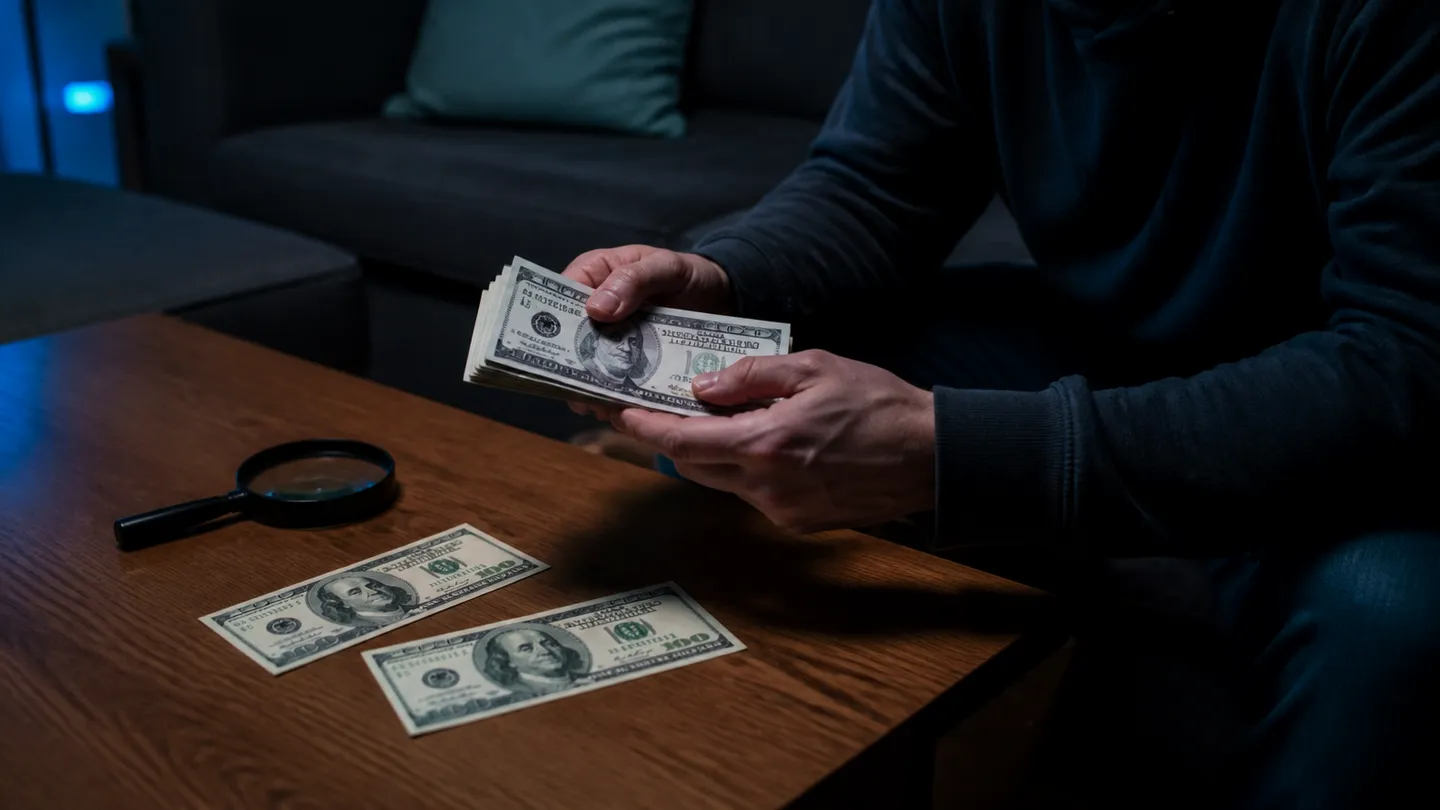
Upon receiving your order, it's crucial to verify the authenticity of the bills without damaging them. Start by comparing the delivered item with the listing on Amazon. Check for clear markings that indicate the item is prop money, such as the "COPY" label or phrases like "For Motion Picture Use Only." If these markings are absent, it could be a sign that the item is counterfeit, which is illegal under U.S. law[1][6].
Next, measure the size of the bills. Genuine U.S. currency should measure approximately 6.14 × 2.61 inches. If the bills are either under 75% or over 150% of this size, they do not comply with legal standards for prop money[1][8]. If the dimensions are not listed, this should raise a red flag.
Locate all prop markings on the bills. Authentic prop money must be prominently and permanently marked, and any bill that lacks such markings could be considered counterfeit. Keep in mind that according to federal regulations, imitation currency must be clearly marked and should not replicate the dimensions of real currency[6][9].
When it comes to examining the print quality, look for differences in texture and colour. Genuine U.S. currency features a unique texture due to the cotton and linen blend used in its production, along with embedded security features. For example, a current-design $20 bill should have a security thread that reads "USA TWENTY" and glows green under ultraviolet light, a Jackson watermark visible from both sides, and a lower-right numeral that shifts from copper to green when tilted[10].
Avoid testing a suspicious bill by attempting to spend or deposit it. This can lead to serious legal consequences under laws such as 18 U.S.C. § 471, which prohibits the use of counterfeit currency with intent to defraud[4][5]. Instead, if you suspect you have received counterfeit currency, keep it separate from genuine bills and report it to local authorities. Following these steps will help ensure that you remain compliant with the law while enjoying your purchase.
Counterfeit-Money Myths: What Is Actually True?
Misunderstandings about counterfeit and prop money can lead to serious consequences. We often encounter claims such as “Anything marked COPY is legal,” “Prop money cannot be used for fraud,” “A counterfeit-detection pen proves a bill is genuine,” and “Amazon reviews prove a product is safe.” Let's clarify these myths.
Firstly, the assertion that anything marked “COPY” is legal is misleading. While items marked “COPY” must comply with specific regulations to be considered legal prop money, they must also adhere to size restrictions—being less than 75% or more than 150% of genuine U.S. currency size—and must be one-sided for colour versions[1][6]. Simply having the marking does not automatically ensure legality, as it must be prominent and permanent.
Another common belief is that prop money cannot be used for fraud. However, this is false. In a federal case, an individual was convicted for using motion-picture money to deceive sellers, resulting in significant financial losses[11]. The law is clear: any attempt to use prop money with the intent to defraud can lead to severe penalties under 18 U.S.C. § 471 and § 472[4][5].
The idea that a counterfeit-detection pen guarantees authenticity is also incorrect. The Federal Reserve warns that these pens are not always reliable and that attempting to pass a counterfeit note, regardless of detection, is illegal[2]. Genuine U.S. currency has specific features, such as a security thread and a watermark, which must be checked for proper verification[10].
Lastly, relying on Amazon reviews to determine product safety can be risky. Reviews may not reflect the true nature of the product, and counterfeit items can still receive positive feedback. It is essential to conduct thorough checks and verify compliance with legal standards instead of relying solely on user experiences.
To summarise, authenticity requires multiple checks, and legality depends on proper design, representation, and intended use. Always adhere to the guidelines set forth by regulatory bodies to avoid legal trouble and ensure you are making informed purchases.
What to Do If an Amazon Order Appears Deceptive or Counterfeit
If you suspect that your Amazon order contains counterfeit money or deceptive currency, it’s crucial to take immediate action. First and foremost, do not attempt to spend, deposit, or pass on the bills. This could lead to serious legal repercussions under U.S. law, including penalties of up to 20 years in prison for knowingly attempting to use counterfeit currency[4][5].
Preserve all aspects of your order, including the packaging, listing URL, order details, and any messages from the seller. This documentation will be essential if you need to report the issue or pursue further actions. To report a misleading listing, navigate to the product page, select “Report an issue with this product or seller,” and choose the option for illegal, unsafe, or suspicious items[3].
If you have received bills that were represented or accepted as genuine currency, contact local law enforcement immediately. They can provide guidance on how to handle the situation safely. Additionally, the U.S. Secret Service offers official counterfeit currency guidance, which can help you understand the next steps[2].
It’s important to distinguish between an Amazon return dispute and reporting suspected financial fraud. A return dispute typically involves issues with the product quality or description, while reporting fraud concerns potential criminal activity related to counterfeit currency. If you find yourself in a situation involving counterfeit money, addressing it as a matter of fraud is essential.
In summary, act quickly, document everything, and seek assistance from law enforcement if necessary. Following these steps will help ensure your safety and compliance with the law while addressing the issue effectively.
Counterfeit Money Checklist and Comparison
| Category | Key Features | Legal Status | Red Flags |
|---|---|---|---|
| Play Money | Marked 'COPY', size restrictions | Legal if compliant | Claims of authenticity, concealed features |
| Lawful-looking Props | Prominent markings, educational use | Legal if marked | Identical designs, lack of clear markings |
| Suspicious Replicas | No clear markings, realistic appearance | Illegal | Matching designs, excessive realism |
| Genuine Notes | Security features, correct size | Legal | Missing security features, poor print quality |
Common Mistakes and Misconceptions
These mistakes are avoidable.
Treating prop money, play money, and counterfeits as interchangeable
Product labels such as "children’s money", "novelty cash", or "movie prop" do not determine whether the item is compliant. Amazon prohibits counterfeit paper money, while permitted imitation currency must meet its marking and design conditions[1]. We suggest judging the listing and physical bills by their actual features rather than the seller’s chosen category.
Assuming "Replica" is an acceptable substitute for "COPY"
Wording such as "Replica" or "For Motion Picture Use Only" can indicate that a note is not genuine, but it is not the marking specified by Amazon’s policy or the Hobby Protection Act[1][6][7]. Both sources call for a plain, permanent "COPY" mark, so alternative wording should not be treated as equivalent. Before buying, confirm the required word itself is visible rather than relying on vague phrases in the title.
Believing the buyer can add the marking later
Some recipients assume they can stamp "COPY" on an unmarked order and resolve the problem themselves. FTC guidance says the marking must be applied before importation or sale, and adding it afterwards does not erase an earlier violation[9]. We advise photographing the item unchanged and keeping the listing and order information before seeking a remedy.
Assuming Amazon policy and federal rules are identical
Amazon’s marketplace conditions and federal requirements overlap, but they are separate checks. Amazon requires permitted colour imitation currency to be one-sided, prominently and permanently marked "COPY", and outside the specified size range; federal rules also govern imitation numismatic items and colour currency illustrations[1][6][8]. Meeting one visible condition does not establish that the product satisfies every applicable requirement.
Checking only the listing or only the delivered bills
Shoppers may study attractive product photographs yet overlook whether the received notes match what was advertised. We recommend using the same paired checklist at both stages:
- Before ordering: record the shown marking, sides, colour, stated dimensions, and intended use.
- After delivery: compare those details with the physical bills and note every missing, moved, obscured, or altered feature.
A listing that appears compliant cannot excuse materially different bills, while compliant-looking bills do not make deceptive sales claims acceptable.
Assuming Amazon packaging proves legitimacy
An Amazon parcel or receipt shows where an item was ordered, not that the contents comply with marketplace rules or federal law. A federal investigation reported finding an open Amazon package with a receipt for fake bills, while Amazon’s policy expressly prohibits counterfeit currency listings[1][12]. We suggest assessing the notes themselves and the original sales claims rather than treating branded packaging as evidence of legality.
Conclusions
- Start with the delivered notes: Compare them against the product images, description, stated measurements, and intended purpose.
- Question marketing labels: Terms such as "prop" or "replica", positive reviews, and Amazon packaging do not establish legitimacy.
- Check several features: For supposed genuine currency, examine the material, watermark, security thread, and colour-changing elements rather than relying on a detection pen[2][10].
- Pause when something looks deceptive: Separate the notes, preserve the parcel and order evidence, and do not circulate or deposit them[4][5].
- Report through the appropriate channel: Flag questionable listings to Amazon, while suspected financial fraud belongs with local law enforcement[2][3].
Next, follow Fake US Dollars: How to Spot Them for a beginner-friendly review of individual note features.
Straight answers
Does Amazon sell real counterfeit money?
No. Amazon's U.S. policy prohibits counterfeit coins, paper money, and equipment designed to produce counterfeit items[1]. It permits only qualifying prop or imitation currency, so we would treat claims such as "spendable" or "undetectable" cash as warning signs rather than authorised products[1].
How can I tell whether fake money from Amazon is prop money or counterfeit?
Inspect the delivered notes, not merely the listing title. Permitted colour props must display a prominent, permanent "COPY" marking, be one-sided, and measure under 75% or over 150% of genuine U.S. currency size[1]. Missing requirements make the item suspicious or non-compliant, although a product page alone may not establish whether someone intended fraud.
What is the best legal fake money on Amazon for film or classroom use?
We cannot identify a "best" product from marketplace labels or reviews alone. Choose an obviously non-spendable design whose photographs clearly show the permanent "COPY" marking, one-sided colour printing, and compliant dimensions[1]. Before ordering, ask the seller to confirm that the pictured design and measurements match the delivered notes.
Does prop money have to say COPY?
For prop or imitation currency permitted under Amazon's U.S. policy, yes: "COPY" must appear prominently and permanently in English[1]. The U.S. Hobby Protection Act also requires imitation numismatic items sold commercially to be plainly and permanently marked "COPY"[6]. The marking must be applied before importation or sale; adding it afterwards does not undo an earlier violation[9].
Can fake money that looks real be used legally?
It may be used as a controlled film, photography, or educational prop only when its design and production meet the applicable requirements. Federal rules authorise colour currency illustrations when they are one-sided, outside the specified size range, and their image-making files and media are erased or destroyed after final use[8]. Never offer prop money as payment or represent it as genuine, because counterfeiting or knowingly passing counterfeit obligations with intent to defraud can carry imprisonment of up to 20 years[4][5].
Where can I buy fake money legally?
Legality depends on the item rather than the storefront, so Amazon packaging or a familiar seller name is not enough. A Seattle buyer can consider Amazon or a specialist theatrical supplier only after confirming that the actual product carries the required permanent "COPY" marking and satisfies the relevant design restrictions[1][6]. Before paying, save the listing photographs, dimensions, seller description, and intended-use statement for comparison when the order arrives.
Can realistic fake $20 bills be mistaken for real currency?
Yes, particularly when someone checks only the portrait or relies on a counterfeit-detection pen, which is not always accurate[2]. On a current-design $20 bill, we suggest checking for the "USA TWENTY" security thread glowing green under ultraviolet light, the Jackson watermark visible from both sides, and the lower-right numeral changing from copper to green when tilted[10]. Genuine note paper also contains embedded red and blue fibres and has raised printing with a distinctive texture[10].
Links and references
- 1. Currency, Coins, Cash Equivalents, and Gift Cards
- 2. How Do I Determine if a Banknote Is Genuine?
- 3. Report Suspicious Activity
- 4. 18 USC 471 — Obligations or Securities of United States
- 5. 18 U.S. Code § 472 — Uttering Counterfeit Obligations or Securities
- 6. U.S.C. Title 15, Chapter 48 — Hobby Protection
- 7. Teller Toolkit
- 8. 31 CFR § 411.1 — Color Illustrations Authorized
- 9. FTC Staff Opinion Letter to the Anti-Counterfeiting Educational Foundation
- 10. $20 Note
- 11. St. Louis County Man Admits Defrauding Online Sellers with Prop Money
- 12. Campbell County Man Sentenced for Fraud Using Counterfeit Money