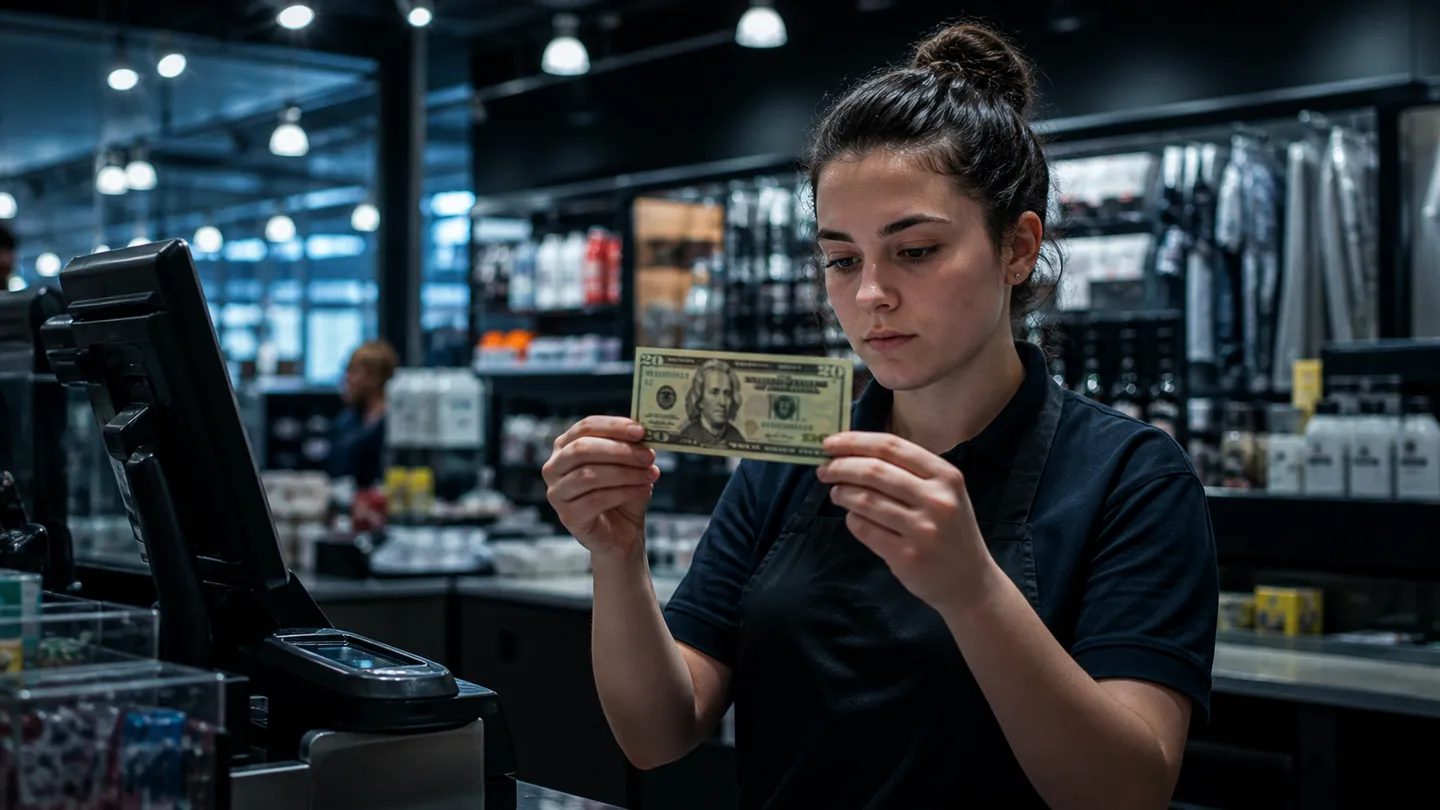
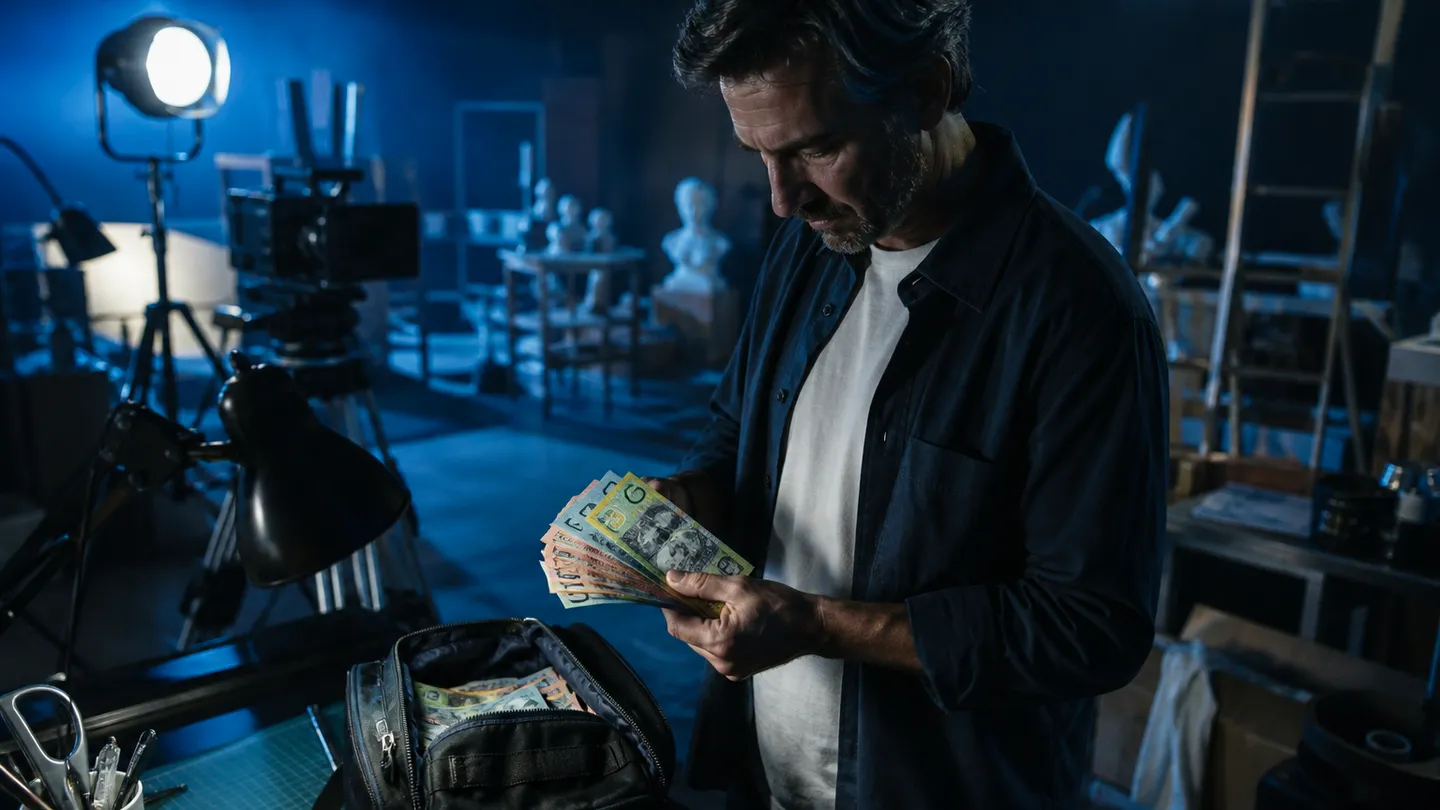
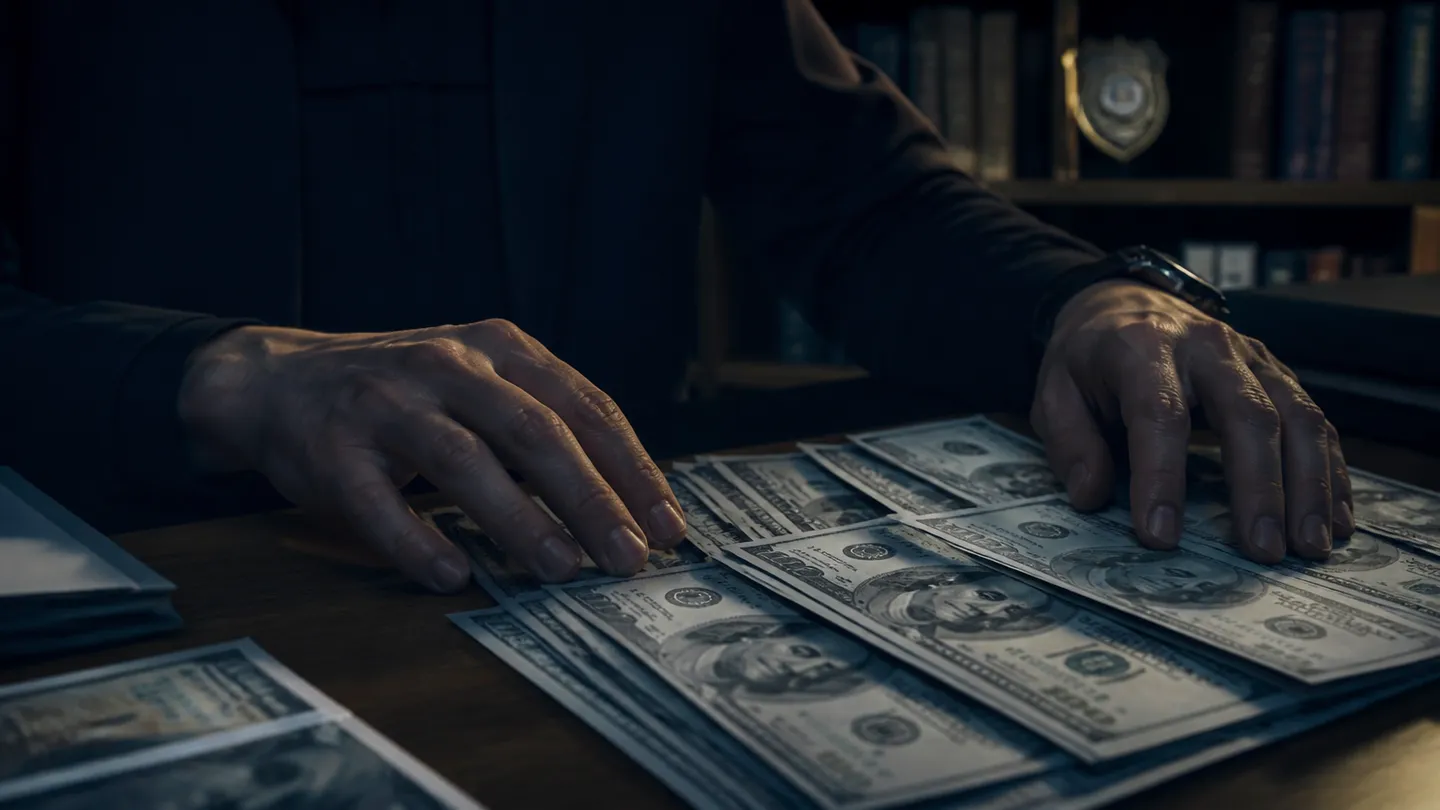
Fake money that looks real should resemble cash on camera without being mistaken for genuine currency; we recommend fictional banknotes for close-ups and compliant replicas for wider shots. US colour reproductions must be one-sided and either under 75% or over 150% of a genuine note’s linear dimensions, while "Motion Picture Use Only" alone is insufficient[1][2].
Best Fake Money That Looks Real: Quick Comparison
When looking for realistic fake money, it's essential to choose compliant options that meet legal standards while still achieving the desired visual effect. Here’s a quick comparison of various types of prop money available, considering their purpose, visibility of markings, materials used, available denominations, pack sizes, and approximate costs.
| Type of Prop Money | Purpose | Marking Visibility | Material | Available Denominations | Pack Size | Approximate Cost for 100 Notes |
|---|---|---|---|---|---|---|
| Compliant Full-Print Bills | Film and photography | Clear "Motion Picture Use Only" | Paper-like (not cotton-linen) | Varies (commonly $1, $5, $10, $20, $50, $100) | 100 notes per pack | $30 - $50 (as of October 2023) |
| One-Sided Reproductions | Display and props | One-sided, size compliant | Paper | Varies | 100 notes per pack | $25 - $40 (as of October 2023) |
| Blank Filler Bills | Stacking and weight | None | Paper | N/A | 100 notes per pack | $15 - $25 (as of October 2023) |
| Aged-Period Props | Vintage-style scenes | May have some markings | Special aged paper | Common denominations | 50 notes per pack | $40 - $70 (as of October 2023) |
| Customizable Props | Personalised projects | Custom markings possible | Various | Customisable | 100 notes per pack | $50 - $100 (as of October 2023) |
Compliant full-print bills are ideal for filmmakers and photographers who require realistic currency without risking legality. They must adhere to strict guidelines set by the U.S. government, including size and marking requirements[1][2]. One-sided reproductions are another safe option, as they can be resized appropriately and are typically used for display purposes.
Blank filler bills serve a different purpose; while they do not resemble real currency closely, they provide weight and volume in stacks, making them useful for specific scenarios. Aged-period props can create an authentic vintage feel, making them suitable for period films or educational purposes. Customizable props allow for personalisation but should be used with caution to avoid legal issues.
In all cases, it's crucial to ensure that the prop money used is compliant with federal regulations, as violations can result in severe penalties, including fines and imprisonment[3]. Before purchasing, we recommend verifying the specifications and compliance of any prop money you intend to use.
Top Prop Money Options by Use Case
Choosing the right type of prop money can significantly impact your production's authenticity and compliance with legal standards. Here, we outline some of the best options available based on specific use cases, including film and video production, photography, educational purposes, and filling stacks.
Compliant Full-Print Bills
For filmmakers and photographers, compliant full-print bills are an excellent choice. These bills are designed to look realistic while adhering to U.S. regulations. They must be printed on one side and sized appropriately—either less than 75% or more than 150% of a genuine note's dimensions[1][2]. Typically available in various denominations, they can be purchased in packs of 100 for approximately $30 to $50. This type of prop money is perfect for close-up shots where detail matters.
One-Sided Reproductions
One-sided reproductions are another safe and compliant option for display and props. These bills are resized to meet legal requirements and feature no markings that could lead to confusion with real currency. They are often used in educational settings or as part of a larger display. Packs of 100 can cost between $25 and $40, making them a budget-friendly choice for smaller productions or events.
Blank Filler Bills
For those needing to create the appearance of weight or volume in stacks without resembling real currency, blank filler bills are ideal. While they do not mimic genuine notes closely, they provide the necessary heft for scenes involving money handling. These can be obtained in packs of 100 for around $15 to $25. It’s important to note that these should not be used in contexts where realism is crucial.
Aged-Period Props
If your project requires a vintage touch, aged-period props can create an authentic atmosphere. These bills may feature some markings but are often printed on special aged paper to enhance their vintage look. Suitable for period films or educational reenactments, these props typically cost between $40 and $70 for 50 notes. Ensure you verify the specific markings and compliance to avoid legal issues.
Customisable Props
For personalised projects, customisable props offer flexibility. You can add specific markings or designs to these bills, but caution is necessary to ensure compliance with federal regulations. Prices vary widely, generally from $50 to $100 for packs of 100, depending on the level of customisation. Always double-check that these do not infringe on any legal guidelines.
In every case, we emphasise the importance of using prop money that complies with federal regulations to avoid serious legal repercussions, including fines or imprisonment[3]. Before making a purchase, take the time to confirm the specifications and compliance of the prop money you intend to use.
What Makes Prop Money Look—and Feel—Real?
The realism of prop money hinges on several key factors, including the paper's surface, density, flexibility, print quality, colour, size, and how it behaves in a scene. Genuine U.S. currency is not printed on standard paper; instead, it uses a unique blend of 75% cotton and 25% linen, which contributes to its distinctive feel and durability[4]. This cotton-linen paper contains randomly distributed red and blue fibres, which are challenging to replicate accurately.
When considering the surface of prop money, a matte finish often looks more realistic on camera than glossy alternatives. The weight of a genuine banknote is approximately one gram, and it can endure about 4,000 double folds before tearing[5]. Prop money designed to mimic this weight and flexibility enhances its authenticity. We recommend checking the thickness and pliability of any prop money you consider, as these factors significantly affect its appearance in various shots.
The size of prop money is also crucial. Modern U.S. notes measure 6.14 by 2.61 inches, a standard that has been in place since 1929[6]. If your prop money is too large or too small, it may appear unrealistic, especially in close-up shots. Additionally, the stack of money should behave like real currency; for example, a stack of 100 bills, known as a currency strap, should look and feel substantial[7].
A common misconception is that prop money marked with "feels real" adheres to a specific industry standard. In reality, there is no universally accepted definition for this phrase, and it does not guarantee compliance with federal regulations[1].
When purchasing prop money, ensure it meets the legal requirements, including being one-sided and sized within the parameters set by the U.S. government[2]. This compliance not only protects creators from legal issues but also enhances the overall realism of the production.
Full-Print Bills, One-Sided Props, and Blank Filler Money
Full-Print Bills, One-Sided Props, and Blank Filler Money
When choosing between full-print bills, one-sided props, and blank filler money for your project, understanding their differences can guide you toward the best option for your needs. Full-print bills are designed to resemble real currency closely, ensuring they are compliant with federal regulations. They must be printed on one side and should measure either less than 75% or more than 150% of a genuine note's dimensions[1][2]. This type of prop money is excellent for filmmakers and photographers who require a realistic look for close-up shots.
One-sided reproductions offer another compliant choice. These are typically resized and feature no markings that could confuse them with real money. They are ideal for display purposes or educational settings, providing a safe option for those who need to avoid any legal repercussions. Their pricing usually ranges from $25 to $40 for a pack of 100 notes, making them an economical choice for smaller productions.
Blank filler money serves a different purpose altogether. While it does not resemble real currency closely, it provides the necessary weight and volume in stacks, making it useful for scenes involving money handling where realism is not critical. For example, if you need to create the illusion of a large sum of cash, blank fillers can effectively add heft without being mistaken for real money. These can be purchased in packs of 100 for approximately $15 to $25.
To illustrate the practical application of these options, consider a scenario where you need to fill ten stacks of money, each containing 100 notes. This would require a total of 1,000 pieces. If you're using full-print bills for close-ups, you would need to ensure they are compliant, whereas for the stacks, blank fillers would suffice in order to achieve the desired weight without risking legal issues.
In summary, while full-print bills and one-sided props are suitable for visual authenticity, blank fillers can enhance the physical appearance of money stacks without the need for realism. Always ensure that any prop money used adheres to federal regulations to avoid severe penalties, including fines or imprisonment[3]. Before making a purchase, we recommend verifying the specifications and compliance of the prop money you intend to use.
Choosing Denominations, Quantities, and Money Stacks
Selecting the right denominations and quantities of prop money is crucial for achieving authenticity in your production. Common choices include $20 and $100 bills, which are versatile for various scenes. We often recommend mixing denominations to create a more realistic appearance, especially for scenes where characters handle money. Using individual bills can be effective for close-up shots, while ready-made stacks are ideal for bulk scenes.
When deciding on quantities, consider the context of your project. For example, if you're shooting a scene where a character holds a few bills in their hand, around five to ten notes might suffice. Conversely, for larger scenes, such as a bank heist or a money exchange, you may require 100-note stacks or even 1,000 notes to create an impactful visual.
To aid in your planning, we’ve created a table outlining typical quantities for various tasks:
| Task | Quantity of Notes | Description |
|---|---|---|
| Holding in Hand | 5-10 | Realistic for close-ups |
| 100-Note Stack | 100 | Common for scenes involving cash |
| 1,000-Note Bundle | 1,000 | Creates a significant visual impact |
It's important to note that genuine U.S. banknotes measure approximately 6.14 by 2.61 inches. This size is vital to maintain authenticity in your prop money, as any deviation could lead to legal issues regarding reproduction. The U.S. government stipulates that replicas must be one-sided, less than 75% or more than 150% of the genuine note's linear dimensions, and the materials used must be destroyed after use[1][2].
While planning your prop money needs, ensure that your selections comply with federal regulations to avoid serious legal repercussions, including fines or imprisonment[3]. Always verify the specifications of the prop money you intend to use, as this will help you achieve both realism and compliance in your production.
Is Realistic Fake Money Legal? Key Rules and Red Flags
Is Realistic Fake Money Legal? Key Rules and Red Flags
Understanding the legality of realistic fake money is crucial for filmmakers, photographers, and educators. The distinction between compliant prop money, reproductions, and counterfeit currency is significant. Prop money is designed to look realistic while adhering to federal regulations, whereas reproductions may resemble genuine notes but can still fall into legal grey areas if not properly sized and marked. Counterfeit money, on the other hand, is illegal and carries severe penalties under laws such as 18 U.S.C. §§ 471 and 504, which impose fines and up to 20 years of imprisonment for offenses related to counterfeiting[3].
According to federal regulations, realistic prop money must meet specific criteria outlined in 31 CFR Part 411. It must be printed on one side and either less than 75% or more than 150% of the genuine note's linear dimensions[1][2]. Importantly, simply marking prop money as "Motion Picture Use Only" does not exempt it from these legal requirements. Attempting to pass off prop money as real currency is illegal, regardless of its intended use.
For those creating content or staging events, it's essential to check the regulations in your specific country and platform. Many service providers, including eBay, have their own rules regarding the sale of replica currency, requiring clear identification and compliance with size restrictions[8].
Additionally, the U.S. Secret Service provides guidelines for the legal use of prop money, stressing the importance of compliance to avoid potential legal issues. They recommend that any prop money used be distinctively marked and not mistaken for real currency. Always ensure that your choices align with these regulations to mitigate any risk of legal repercussions.
How to Compare Sellers and Product Claims
How to Compare Sellers and Product Claims
When searching for prop money that appears realistic, it's crucial to evaluate sellers and their product claims carefully. To help you through this process, we’ve created a handy checklist to ensure you make informed choices:
- Real Photos of Both Sides: Ensure that the product listing includes clear images showing both sides of the prop money. This transparency allows you to assess the quality and compliance of the money.
- Visible Markings: Check for any required markings, such as "Motion Picture Use Only." This is vital for compliance with federal regulations.
- Dimensions and Material: Verify the size of the bills, which should adhere to the standard dimensions of genuine U.S. currency (6.14 by 2.61 inches) and be made from compliant materials, typically resembling the cotton-linen blend used in real banknotes[4].
- Quantity: Understand how many bills are included in the purchase. This information helps you gauge whether the product meets your production needs.
- Return Policy: A clear return policy is essential. If the prop money does not meet your expectations or compliance standards, you should be able to return it without hassle.
- Seller Contacts: Reliable sellers will provide contact information. This allows you to reach out with questions or concerns before purchasing.
- Current Price: Be cautious of prices that seem too good to be true. Research typical costs for compliant prop money to avoid overpaying or being scammed.
When encountering marketing claims like "1:1," "undetectable," "Hollywood-approved," or "feels exactly real," it's wise to approach these with skepticism. Such phrases often lack the necessary documentation or independent verification to substantiate them. Without solid evidence, consider these claims as mere advertising jargon.
Additionally, sellers promising that their prop money can pass through cash registers or currency verification systems should be excluded from your options. This not only poses legal risks but also undermines the integrity of your production. Always prioritise compliance with federal regulations to avoid serious consequences, including fines or imprisonment for using illegal reproductions[3].
By following this checklist and maintaining a critical eye on product claims, you can ensure that your choice of prop money is both realistic and compliant with legal standards.
Can an App Tell Real Money From Prop Money?
Apps and cameras can assist in identifying some features of genuine currency, but they cannot replace the thorough examination of security elements needed to confirm authenticity. For instance, an app like the Federal Reserve's Cash Assist uses a phone's camera to help users locate security features on banknotes, but it explicitly states that it does not identify counterfeits[9]. This highlights a significant limitation: while technology can aid in the process, it cannot guarantee that a bill is real.
Key security elements found in genuine U.S. currency include:
- Watermark: A recognizable image that appears when the note is held up to the light.
- Security Thread: A thin strip embedded in the paper that glows under ultraviolet light.
- Color-Shifting Ink: Ink that changes colour when the note is tilted, adding an extra layer of security.
- Microprinting: Tiny text that can be seen only with magnification, which helps in verifying authenticity.
If you encounter a questionable bill, it is advisable not to accept it. Instead, contact your bank or local law enforcement for guidance. Attempting to use a suspicious bill can lead to serious legal consequences, as laws under 18 U.S.C. §471 and §472 impose strict penalties for passing counterfeit currency[3].
In summary, while apps can provide helpful insights into certain features of currency, they are not foolproof. Always rely on the physical security elements of banknotes and consult professionals when in doubt.
Comparison of Realistic Prop Money Options
| Type of Prop | Task | Quantity Needed | Visibility of Markings | Price per 100 Sheets |
|---|---|---|---|---|
| Full-Print Bills | Close-ups | 5-10 | Visible markings required | $15-$25 |
| One-Sided Props | Stacking | 100 | Must be one-sided | $15-$25 |
| Blank Fillers | Weight for Stacks | 1,000 | No markings needed | $15-$25 |
| Hollywood-Approved | General Use | Depends on project | Claims vary | $15-$25 |
Common Mistakes and Misconceptions
Labels are not enough.
Treating Legal Props, Currency Images, and Counterfeits as the Same Thing
These categories are different. Buyers often rely on a listing’s use of "prop" or "replica", although authorised currency illustrations have specific production conditions, while federal counterfeit offences centre on fraudulent creation, possession, sale, or use[1][3]. We advise checking the item’s physical format and intended use separately rather than assuming its product name establishes legality.
Assuming "Feels Real" Has a Measurable Meaning
"Feels real" is only a marketing phrase. Sellers rarely define whether they mean thickness, stiffness, surface texture, weight, or the way a stack bends, so two products carrying the same claim may behave very differently on camera. Ask for the material, individual-note weight, finish, and an unedited handling video; genuine currency uses a restricted cotton-and-linen paper with embedded fibres, which ordinary prop stock should not duplicate[4].
Comparing Pack Prices Without Normalising the Quantity
The cheapest listing may cost more per usable note. Packs can differ in sheet count, double-sided printing, visible markings, filler notes, and whether every piece is suitable for close-ups, making headline prices misleading. We suggest dividing the listed price by the number of usable notes, then recording material, markings, printing format, and intended shot beside that unit cost.
Before comparing offers, use the same fields for every seller:
- total price and delivery cost to Seattle;
- number of usable notes rather than advertised pieces;
- one-sided or double-sided printing;
- stated dimensions and material;
- placement of prop markings;
- suitability for close-ups, background dressing, or stack filling.
Reading "1:1" as Proof of Accuracy or Compliance
"1:1" proves very little. It might describe artwork scale, note dimensions, or simply a seller’s opinion, while authorised colour illustrations cannot use the genuine note’s exact linear dimensions[1]. Ask for measured dimensions and actual-item photographs; if the seller cannot explain precisely what the ratio covers, we would not use the claim for purchasing or legal decisions.
Believing "Hollywood-Approved" or a Printed Disclaimer Creates Legal Protection
There is no useful approval in an unexplained slogan. Sellers use "Hollywood-approved" to suggest industry acceptance, but unless they identify the approving organisation and documented standard, the phrase offers no basis for comparison. Likewise, wording such as "Motion Picture Use Only" does not replace the federal conditions governing size, one-sided reproduction, and disposal of image-making materials[2].
Assuming Realistic Stacks Need Consecutive Serial Numbers
Sequential serial numbers are not a reliable realism test. Modern production processes mean new currency straps do not necessarily contain consecutive serial numbers, so repeating or perfectly ordered numbers can look less credible rather than more credible[10]. For a Seattle film or photography set, we suggest prioritising consistent denomination, believable orientation, secure handling, and controlled retrieval after the scene.
Conclusions
- Choose for the shot, not the slogan.
- Start by deciding whether the notes will appear in close-ups, background piles, or thick bundles; each use needs different detail and quantity.
- Check actual-item photographs, measurements, printing format, prop markings, material, returns, and delivery costs to Seattle before ordering.
- Ignore unsupported claims such as "1:1", "undetectable", or "Hollywood-approved"; they do not establish quality, suitability, or compliance.
- Keep every note controlled during filming, retrieve props after the scene, and never use questionable reproductions in transactions.
Next, compare reputable buying routes in Realistic Fake Money for Sale: Where to Find It.
Straight answers
Is there fake money that looks so real?
Yes, prop money can appear convincing in a controlled photograph or brief background shot, but an exact copy creates serious legal risk. For authorised colour illustrations of U.S. currency, the reproduction must be one-sided and either less than 75% or more than 150% of the genuine note's linear dimensions; image-making materials must also be erased or destroyed after final use[1]. We suggest choosing props for the camera distance rather than seeking products advertised as "undetectable".
Is it illegal to have fake money that looks real?
Possession becomes a federal offence when counterfeit U.S. obligations are held or concealed with intent to defraud, carrying imprisonment of up to 20 years[3]. For a Seattle production, we advise documenting the prop purchase, limiting access on set, counting every piece afterwards, and never carrying realistic props into shops or public transactions. A product label alone does not establish that the item complies with federal reproduction rules[2].
Are there fake $100 bills that look real?
Yes, replicas may resemble a $100 note on camera, but appearance alone cannot establish authenticity. A current genuine $100 note has raised printing, a woven blue 3-D security ribbon, a copper-to-green bell and numeral, a Franklin watermark, and a security thread that glows pink under ultraviolet light[11]. If a bill offered in Seattle is questionable, we would not accept or attempt to spend it.
Does legal prop money have to say “Motion Picture Use Only”?
No—the phrase "Motion Picture Use Only" is not a substitute for the federal requirements covering reproduction size, one-sided printing, and disposal of image-making materials[2]. Authorised colour illustrations must be one-sided and sized below 75% or above 150% of the genuine note's linear dimensions[1]. We advise checking those physical conditions instead of relying on wording printed across the prop.
Links and references
- 1. Frequently Asked Questions | U.S. Currency Education Program
- 2. eCFR :: 31 CFR 411.1 — Color illustrations authorized
- 3. 18 USC Chapter 25: Counterfeiting and Forgery
- 4. The Buck Starts Here: How Money Is Made | Bureau of Engraving and Printing
- 5. FAQs | Bureau of Engraving and Printing
- 6. $100 Note | U.S. Currency Education Program
- 7. Deposit Visual Reference Guide | Federal Reserve Financial Services
- 8. Counterfeit Policy | eBay
- 9. Cash Assist Mobile App | U.S. Currency Education Program
- 10. FedCash Services Currency Depositing and Ordering | Federal Reserve Financial Services
- 11. Decoding Dollars: The $100 | U.S. Currency Education Program