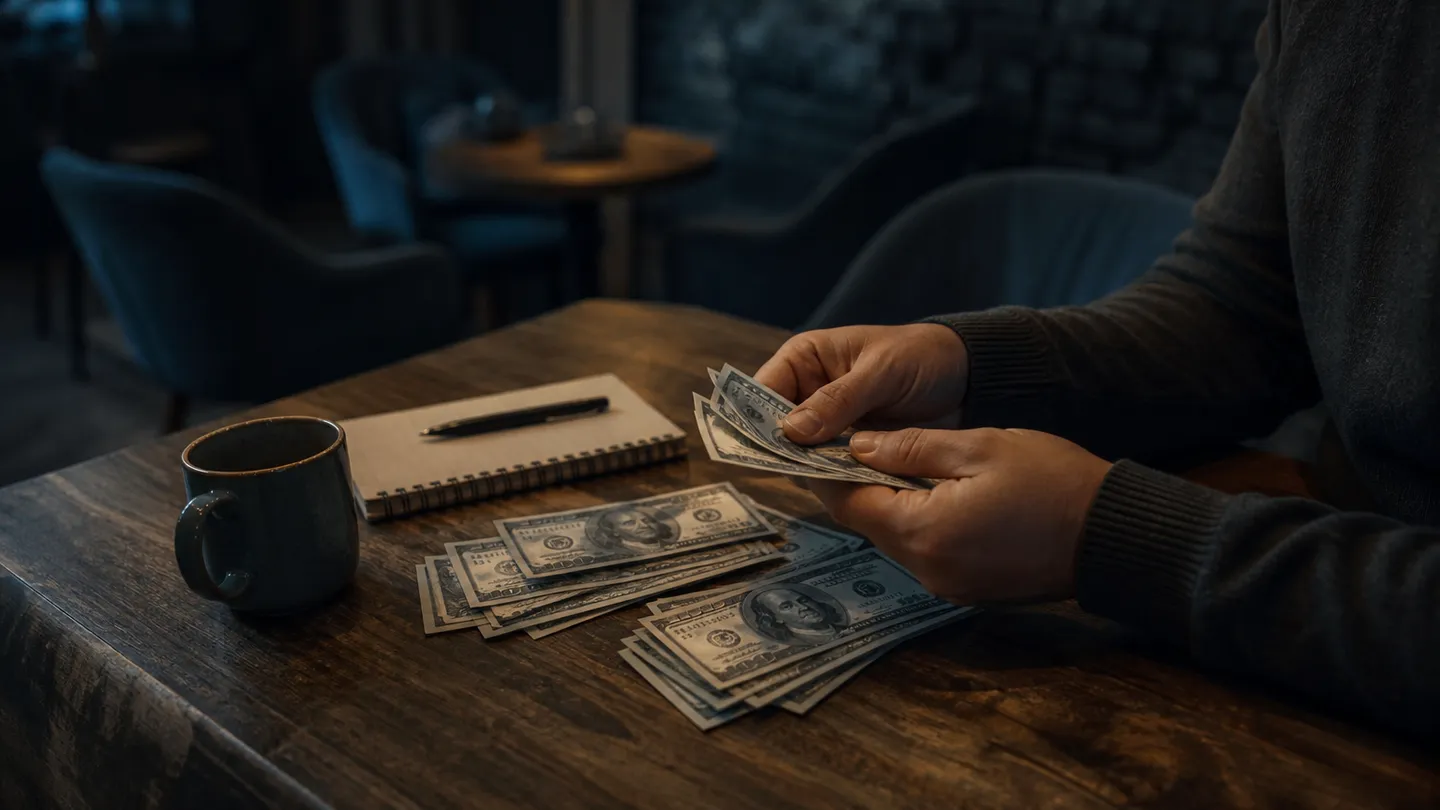
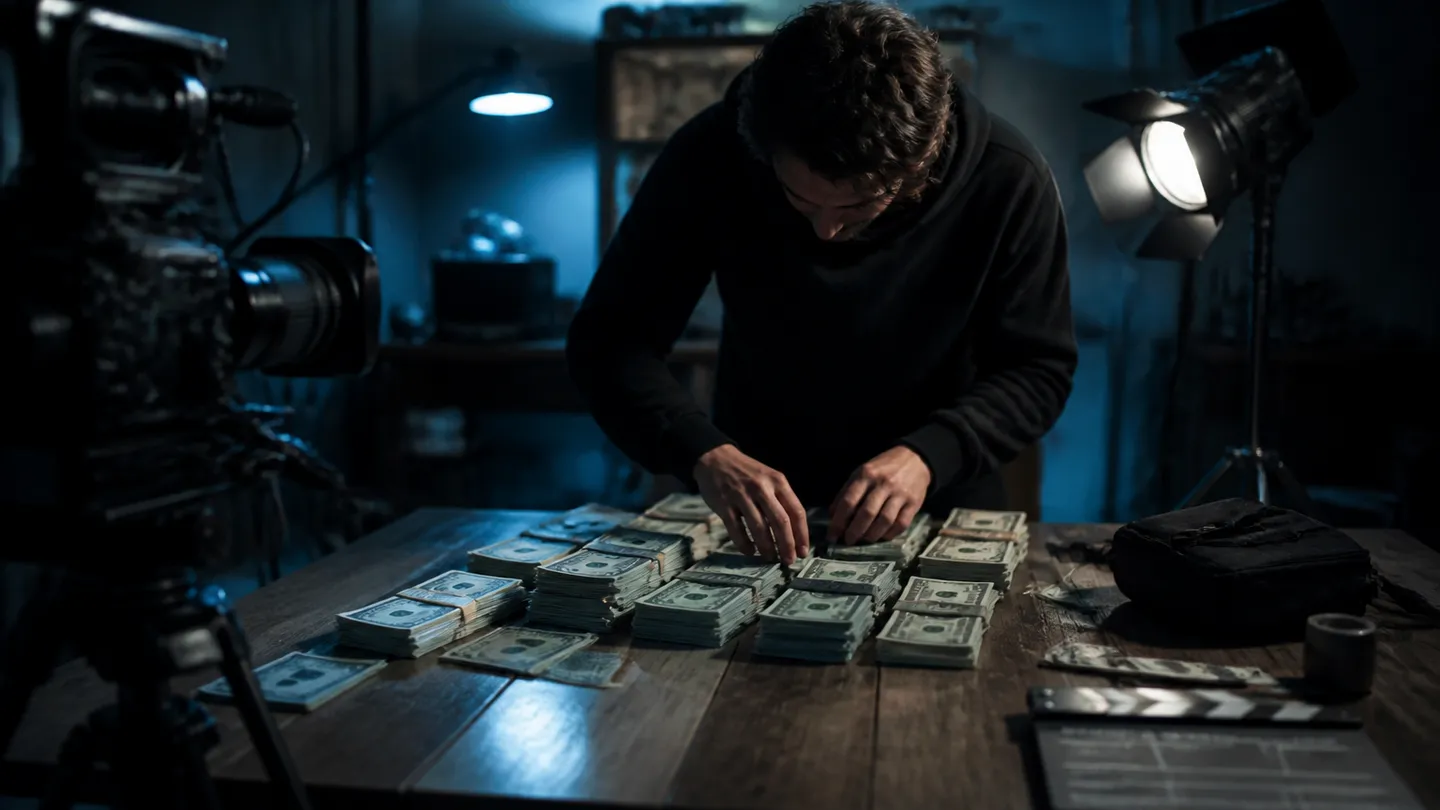
Fake dollar bills are imitations of US currency, ranging from illegal counterfeits designed to deceive to clearly marked prop or play money. We distinguish them by purpose and appearance: counterfeit notes must never be made or passed as genuine, while obvious replicas may be used for films, education, games, or events when handled lawfully.
What Are Fake Dollar Bills?
Fake dollar bills encompass a broad range of imitations of U.S. currency, including both illegal counterfeits and legal replicas. The key distinction lies in their intent and potential for confusion. Counterfeit currency is created with the intent to deceive, aiming to pass as genuine legal tender, which is a serious crime punishable under federal law. In contrast, legitimate replicas—such as prop money, play money, and novelty bills—are clearly marked as non-negotiable and are used for various lawful purposes.
Counterfeit bills are often crafted to closely mimic the features of real Federal Reserve notes, including security threads, watermarks, and microprinting. These characteristics can make it challenging for the average person to distinguish between genuine and counterfeit currency without the assistance of tools like counterfeit-detection pens. In 2020 alone, the U.S. Secret Service reported seizing over $2 million in counterfeit currency, highlighting the ongoing issue of fake bills in circulation.
On the other hand, prop money is specifically designed for use in film, theatre, and events. For instance, a movie may require realistic-looking bills for a scene without risking legal issues. Educational institutions often use play money as teaching aids for counting and financial literacy, while novelty bills, such as million-dollar notes, serve primarily as humorous gifts or promotional items. These items must always be used responsibly to avoid any appearance of illegality.
When considering the use of fake dollar bills, we must ensure that they are clearly marked and used in appropriate contexts. This means avoiding scenarios where they could be mistaken for real currency, as doing so could lead to legal repercussions. For more information on how to identify counterfeit bills, check out our guide on Fake US Dollars: How to Spot Them.
Common Types of Fake Money Dollar Bills
Fake dollar bills come in various forms, each serving distinct purposes and audiences. Understanding these types can help ensure that we use them appropriately and legally.
Prop Money
Prop money is crafted for use in films, theatre productions, and events. These bills typically mirror the appearance of real U.S. currency, featuring elements like colour-shifting ink and security threads, but they are clearly marked as "prop money" to prevent any confusion. This type of money is ideal for filmmakers and event planners who need realistic visuals without the risk of legal issues. However, it is crucial to ensure that prop money is not used in transactions, as this could lead to serious legal consequences.
Children's Play Money
Children's play money is often brightly coloured and lacks the intricate details found on genuine currency. This type of fake money is designed for educational purposes, helping children learn about counting, money management, and financial literacy. It is typically used in classrooms or at home, providing a safe way for children to engage in pretend play without any risk of misunderstanding its value. Parents and educators should always supervise the use of play money to reinforce its role as a learning tool rather than as real currency.
Printable Educational Money
Printable educational money is widely available online and can be downloaded and printed for classroom use. This type of fake money often includes various denominations and is used to teach students about currency in a hands-on manner. While this resource is beneficial for educational settings, it must be made clear that these bills are not valid for transactions. Schools and educators should ensure that students understand the difference between this educational tool and actual currency.
Personalized Promotional Bills
Businesses often use personalized promotional bills as marketing tools. These bills may feature a company logo or message and are typically printed to resemble real currency but are marked as non-negotiable. They can be used in giveaways or as part of promotional materials at events. However, companies must ensure that these bills do not resemble real currency too closely to avoid any potential legal issues.
Filler Stacks
Filler stacks are often used in displays or as props in events. These are typically bundles of fake bills that look convincing but are not intended for use in transactions. They serve as decorative items or for visual effects in media. Like other types of fake money, it is essential to ensure that these items are clearly marked and not mistaken for real currency.
It is important to note that products labelled as "replica," "copy," or "motion picture use only" do not automatically mean they are lawful in every design or situation. Always check local regulations to ensure compliance.
Legitimate Uses for Prop, Play, and Novelty Bills
Prop, play, and novelty bills serve various legitimate purposes across different settings. These types of fake money can enhance creativity in film, education, and entertainment when used correctly. However, it is crucial to ensure they are not mistaken for real currency to avoid legal issues.
Film and Theatre Productions
In film and theatre, prop money is essential for creating realistic scenes. These bills often feature characteristics like colour-shifting ink and security threads but are clearly marked as "prop money." For instance, a production may use $100 bills that look genuine but are labelled as non-negotiable. This ensures that the audience is not confused about their authenticity. Filmmakers should always check local regulations regarding the use of prop money to ensure compliance.
Photography and Board Games
In photography, using prop money can add a touch of realism to images without the risk of legal complications. Similarly, board games often incorporate play money to enhance the gaming experience. This type of money is usually brightly coloured and lacks the intricate details of real currency, making it clear that it is not legal tender. For example, Monopoly money is a well-known form of play money used in games, helping players engage in financial activities without any confusion.
Classroom Activities
Educators frequently use play money in classrooms to teach financial literacy and counting skills. This educational tool allows children to practice money management in a safe environment. For instance, teachers might set up a pretend shop where students can buy and sell items using play money. It is essential for parents and educators to supervise these activities, reinforcing that this money is not real and is intended solely for learning.
Parties and Promotions
Novelty bills can also be used for parties and promotional events. These bills often feature humorous designs, like million-dollar notes, and are typically given as gifts or used as decorations. While they can be fun, it is important to ensure that they are distinctly marked to prevent any misunderstandings. Businesses may also use personalized promotional bills for marketing, but they must be careful to design them so they do not resemble real currency too closely.
Cautions Against Misuse
We must emphasise that replica bills should never be used in actual transactions, tips, donation containers, or pranks. Using them in such contexts can lead to serious legal consequences, as they may be mistaken for genuine currency. For instance, attempting to pay for a meal with prop money could result in criminal charges. Always handle fake money responsibly to maintain its intended purpose and avoid confusion with actual legal tender.
Legal Boundaries and Required Distinctions
Understanding the legal boundaries surrounding fake dollar bills is essential for anyone considering their use. The U.S. Secret Service and the Bureau of Engraving and Printing provide guidelines that clarify the distinctions between lawful replicas and illegal counterfeit currency. Under federal law, counterfeit currency is defined as any imitation of legal tender created with the intent to deceive. This type of activity is a serious crime, punishable by significant fines and imprisonment.
To reduce confusion, certain characteristics can be applied to lawful fake money. These include disclaimers, altered sizes, one-sided designs, fictional portraits, and conspicuous markings indicating that the bills are not legal tender. For instance, prop money often features the label "prop money," while play money is brightly coloured and lacks the intricate details of actual currency. However, it is crucial to understand that these features do not excuse deceptive use. Even clearly marked replica bills can lead to legal complications if they are mistaken for real currency in any transaction.
The rules governing the use of fake money can differ significantly depending on the medium. For example, physical reproductions must adhere to strict guidelines that prevent them from resembling genuine Federal Reserve notes too closely. In contrast, digital images of currency may have more flexibility but still require attention to avoid misuse. Commercial props, like those used in films or theatre, are typically regulated to ensure they are clearly distinguishable from real money.
Before using any form of fake currency, we advise checking local regulations and understanding the specific rules applicable to physical reproductions, digital representations, and commercial props. This way, we can ensure compliance and avoid potential legal issues. Always remember that responsible usage is key to preventing confusion and maintaining the integrity of our financial system.
Real U.S. Dollar Features vs. Fake Bills
Distinguishing between real and fake U.S. dollar bills requires understanding specific features that authenticate genuine currency. Genuine U.S. notes, regardless of denomination, measure approximately 6.14 × 2.61 inches (156 × 66.3 mm). This consistency in size helps establish a baseline for comparison.
Key Features of Genuine U.S. Currency
- Portrait: Authentic U.S. bills feature a detailed portrait of a historical figure, such as George Washington on the $1 bill or Abraham Lincoln on the $5 bill.
- Paper Feel: Real currency is printed on a unique blend of cotton and linen, giving it a distinct texture that is difficult to replicate.
- Raised Printing: Genuine bills have a tactile quality; the ink used for printing portraits and numerals can be felt when touched.
- Color-Shifting Ink: On denominations of $10 and higher, the ink in the lower right corner shifts colour when tilted, a feature absent in counterfeit bills.
- Watermark: Most denominations, except for $1 and $2 notes, include a watermark that can be seen when held up to the light. This feature is often misrepresented, as many believe all genuine bills have one.
- Embedded Security Thread: This thin strip runs vertically through the bill and is visible when held up to the light. Like the watermark, the $1 and $2 notes do not include this feature.
- Microprinting: Tiny text can be found in various locations on genuine bills, which is challenging for counterfeiters to replicate accurately.
- Serial Numbers: Each genuine bill has a unique serial number, printed in a specific format, which helps trace its authenticity.
Common Misconceptions
A common myth is that every genuine U.S. bill includes both a watermark and a security thread. In reality, the current $1 and $2 notes do not use these features, which can lead to confusion when verifying authenticity.
To ensure accuracy in identifying genuine currency, we recommend using tools such as counterfeit-detection pens, which can help provide additional assurance. Understanding these specific features allows us to make informed decisions when handling currency and to avoid the pitfalls of counterfeit bills. For more information on spotting fake bills, check out our guide on Fake US Dollars: How to Spot Them.
How to Identify Prop Money, Play Money, and Suspected Counterfeits
Identifying prop money, play money, and suspected counterfeit bills requires a careful inspection. We recommend following a checklist to ensure that you are accurately assessing the authenticity of the notes in question.
Non-Technical Inspection Checklist
- Read All Wording: Examine the text on both sides of the bill. Authentic currency will have clear and correct wording, while fake bills may contain misspellings or odd phrases.
- Compare Both Sides: Genuine bills have intricate designs that are consistent on both sides. Look for discrepancies in design, colour, and placement of elements.
- Check Dimensions and Design: Authentic U.S. currency measures approximately 6.14 × 2.61 inches. Any significant deviation from this size may indicate a fake.
- Feel the Paper: Real currency is printed on a special blend of cotton and linen, giving it a distinct texture. Fake bills often feel different, either too smooth or too flimsy.
- Compare with a Known Genuine Bill: Always have a genuine bill of the same denomination and series for comparison. This can help you spot differences in design and quality.
Common Warning Signs
When examining bills, be on the lookout for specific indicators that suggest a note may not be genuine. Common warning signs include:
- "COPY" or "SPECIMEN" Markings: These labels indicate that the bill is not legal tender.
- Fictional Issuer Names: Bills that list a non-existent bank or issuer should be treated with suspicion.
- Repeated Serial Numbers: Genuine bills have unique serial numbers; repeated numbers indicate a fake.
- Missing Reverse Printing: Authentic bills feature detailed designs on both sides. If the reverse is blank or poorly printed, it’s likely a counterfeit.
- Incorrect Portraits: Authentic currency features well-known historical figures. A different or poorly rendered portrait is a red flag.
Emphasising Multiple Features
It's crucial to check multiple features rather than relying solely on a counterfeit-detection pen. While these pens can be helpful, they are not foolproof. Counterfeiters have been known to create notes that can pass the pen test. Therefore, combining various inspection methods will yield the best results in identifying fake bills.
By following these steps and being aware of common warning signs, we can protect ourselves from the risks associated with counterfeit currency and ensure that we are using legitimate money in our transactions.
How to Choose Quality Fake Dollar Bills Safely
Selecting quality fake dollar bills involves understanding their intended purpose and ensuring they meet specific criteria for safety and usability. We define quality not by the ability to deceive but by factors like fitness for purpose, durability, print clarity, and clear non-currency status. This ensures that the fake money serves its intended use—be it for educational purposes, film production, or promotional activities—without risking confusion with real currency.
Selection Matrix for Different Uses
When choosing fake dollar bills, consider the following criteria based on your specific needs:
| Use Case | Paper Thickness | Printing Type | Custom Artwork | Pack Quantity | Reusable Finishes | Age Suitability | Compliance Markings |
|---|---|---|---|---|---|---|---|
| Children | Medium | Single-sided | No | 100 | Yes | 3+ | "Not Legal Tender" |
| Classrooms | Standard | Double-sided | Yes | 50 | Yes | 5+ | "Prop Money" |
| Close-up Filming | Thick | Double-sided | Yes | 10 | Yes | 12+ | "For Film Use Only" |
| Background Scenes | Thin | Single-sided | No | 200 | No | All Ages | "Novelty Bill" |
| Parties | Standard | Double-sided | Yes | 100 | Yes | All Ages | "Not Legal Tender" |
| Branded Promotions | Thick | Double-sided | Yes | 500 | Yes | All Ages | "Promotional Use" |
Key Features to Consider
When assessing the quality of fake dollar bills, we should focus on several important characteristics:
- Paper Thickness: Thicker paper often feels more realistic and durable, which is crucial for settings where the money will be handled frequently.
- Single- versus Double-Sided Printing: Double-sided printing provides a more authentic look and feel, especially in scenarios like filming or stage productions.
- Custom Artwork: Custom designs can enhance the visual appeal and ensure that the bills are easily identifiable as fake, reducing the risk of misuse.
- Pack Quantity: Larger packs may be more cost-effective for events or educational purposes, but ensure they are clearly marked.
- Reusable Finishes: Some fake money can be designed for multiple uses, making them ideal for repeated events or educational activities.
- Age Suitability: Always check the recommended age for use, especially if children are involved, to ensure safety and compliance.
- Compliance Markings: Look for clear labelling that indicates the bills are not legal tender, such as "Not Legal Tender" or "Prop Money."
By carefully considering these factors, we can select quality fake dollar bills that are safe and appropriate for their intended use, while ensuring compliance with legal standards and avoiding confusion with genuine currency.
What to Do If You Receive a Suspected Counterfeit Bill
If you suspect that you have received a counterfeit bill, it is crucial to handle the situation carefully. Firstly, do not attempt to spend, return, or knowingly pass the note to another person. This not only preserves your integrity but also helps prevent the circulation of counterfeit currency. Instead, minimise your handling of the bill to avoid any potential fingerprints or markings that could complicate the investigation.
If it is safe to do so, record where you received the bill. This information can be valuable for authorities in tracing the origin of the counterfeit note. After that, it is essential to contact your local police department or the U.S. Secret Service. The U.S. Secret Service is specifically tasked with investigating counterfeit currency and can provide guidance on the next steps to take.
For businesses, it is important to follow established cash-handling policies when dealing with suspected counterfeit notes. This may include training staff on how to identify counterfeit bills and what procedures to follow if one is detected.
It is worth noting that reimbursement for a counterfeit bill is generally not guaranteed if it is confirmed as fake. Once a bill is identified as counterfeit, it is treated as a loss, and there are no legal protections for recovering its value. Understanding these protocols can help us navigate the complexities of dealing with counterfeit currency effectively.
Understanding Fake Dollar Bills: Features and Uses
| Use Case | Markings | Realism | Durability | Risk of Confusion |
|---|---|---|---|---|
| Children | 'Not Legal Tender' | Medium | Moderate | Low |
| Classrooms | 'Prop Money' | High | High | Medium |
| Parties | 'Not Legal Tender' | High | Moderate | Medium |
| Close-up Filming | 'For Film Use Only' | Very High | High | Low |
| Background Scenes | 'Novelty Bill' | Low | Low | High |
Common Mistakes and Misconceptions
These mistakes are avoidable. Before buying or using imitation currency, we suggest checking:
- whether its purpose is clearly defined;
- whether its markings remain visible during use;
- whether anyone could mistake it for spendable money;
- what staff should do if confusion occurs.
Treating Every Fake Bill as a Counterfeit
The labels are not interchangeable. Counterfeit currency is presented as genuine money, while prop, play, novelty, and educational notes are intended for controlled, non-payment uses. We should choose products with conspicuous wording and distinctive artwork rather than relying on a seller’s vague "fake dollar bills" description.
Assuming Maximum Realism Means Better Quality
Realism is not always desirable. A close-up film prop may need clear printing, while classroom activities, children’s games, and Seattle events benefit from exaggerated colours, fictional designs, or prominent non-currency markings. We advise judging quality by fitness for purpose, durability, and low confusion risk rather than resemblance to spendable cash.
Relying on a Small Disclaimer
A discreet label can disappear when a note is folded, stacked, photographed, or seen from a distance. Buyers often focus on whether the words "prop money" appear somewhere, but placement and visibility matter just as much. Before use, we should confirm that the non-currency status remains obvious during the actual lesson, performance, party, or production.
Applying the Same Authentication Check to Every Bill
Different denominations and design versions should not be assessed against one generic mental picture. Comparing an unfamiliar note with another denomination can make a genuine design appear suspicious or cause a poor imitation to seem convincing. We recommend comparing like with like and considering several design elements rather than expecting every bill to share identical features.
Trying Again After a Note Is Rejected
A rejected note should not be taken to another shop for a second attempt. If we accidentally offer suspected counterfeit or prop money, we should stop the transaction, explain the mistake, cooperate with staff, and record where the note came from while the details remain clear. For productions and events, organisers should also collect imitation notes afterwards so they do not reach nearby Seattle businesses or public spaces.
Conclusions
Start with purpose.
- We should choose imitation dollars for a defined setting, such as teaching, filming, parties, or promotional displays—not for payment.
- Clear labels, distinctive artwork, and noticeable colour differences matter more than close resemblance to genuine currency.
- Before use, we should view folded, stacked, and photographed notes to ensure their non-currency status remains immediately visible.
- If a bill seems suspicious, we should stop handling or circulating it, record its source, and contact local police or the U.S. Secret Service.
- Event and production organisers should brief participants, control distribution, and collect every imitation note afterwards.
Next, use Fake US Dollars: How to Spot Them to build a practical checking routine.
Straight answers
Are there fake 1 dollar bills?
Yes, fake one-dollar bills exist as counterfeits, props, novelty notes, and children's play money. We distinguish counterfeits, which are meant to pass as genuine currency, from lawful imitation notes that use fictional artwork and conspicuous labels such as "Not Legal Tender".
How can I print money for kids?
Create fictional play money rather than scanning or closely copying genuine US currency. We suggest using different portraits, bright colours, invented denominations, and prominent wording such as "Play Money" on both sides; before printing, ensure no child or cashier could mistake it for spendable cash.
Is prop money legal in the United States?
Prop money can be lawful in the United States when its design and use do not mislead people into accepting it as genuine currency. We recommend choosing clearly altered notes with visible non-currency markings, controlling them during filming or events, and collecting them afterwards; using any prop bill as payment can create serious legal problems.