You may receive nothing, a counterfeit passport, or a genuine document belonging to someone else. Dark-web sellers provide no verifiable price, delivery time, validity, or identity requirements, and payment or personal data may be stolen. Such documents can expose you to fraud, identity theft, and criminal consequences. Before paying or sharing documents, contact the US Department of State or a qualified immigration lawyer.
Buy Passport Dark Web: Risks and Implications
| Options | Price | Timeframe | Requirements | Limitations |
|---|---|---|---|---|
| Fake Passport | Varies widely, often $500 - $2,000 | 1 week to several months | Basic personal information, possibly a photo | May not pass verification checks |
| Stolen Identity Passport | Higher price range, often $2,000 - $5,000 | Immediate to a few weeks | Real identity details, often from a victim | Legal repercussions if caught, identity theft charges |
| Prop Passport | Typically $100 - $500 | Instant delivery | No specific requirements, often just a payment | Not valid for travel, only for film or theatrical use |
| Custom Passport | Can exceed $5,000 | Several weeks to months | Detailed personal information, may require additional documentation | Risk of being flagged by authorities, potential for scams |
How to Get a Passport Safely and Legally
- Choose the lawful route
Do not buy a passport through a dark-web market, private messenger or document broker. A seller cannot lawfully issue a US passport, regardless of claims about registration, database access or insider contacts. We advise using only official US government instructions and authorised passport services.
- Confirm which application you need
Check the official US Department of State passport website to determine whether you need a first application, renewal, replacement or name-change process. The correct route depends on your existing passport, personal circumstances and travel plans. Before continuing, make sure the website uses the official .gov domain.
- Gather the required documents
Prepare the application form, acceptable proof of US citizenship, identification, a compliant passport photograph and the required fee. The exact documents depend on the application type, so follow the current government checklist rather than a seller's instructions. Keep original identity documents away from unofficial agents and dark-web vendors.
- Submit through an authorised channel
Follow the Department of State instructions for submitting by post or attending an authorised passport acceptance facility. Seattle applicants can use the official government search tools to find an appropriate local facility. Before paying, confirm the recipient, accepted payment method and appointment requirements through an official source.
- Wait and track the application
Processing times can change, so check the current estimate before booking travel. Use only the official passport status service and treat unsolicited tracking links as potential phishing attempts. If urgent travel affects your application, follow the government guidance for available appointment or expedited options.
- Check the passport when it arrives
Compare the printed name, date and place of birth, photograph and other personal details with your application. Follow the issuing authority's instructions if anything is incorrect, damaged or missing. A visual inspection cannot prove that a document bought elsewhere is genuine; only the issuing authority can resolve its status reliably.
- Respond to suspected fraud
If you have already shared identification or payment details with a dark-web seller, stop further contact and do not send additional documents. Preserve messages, transaction records and account details, then contact the relevant payment provider and official fraud-reporting channels. We also advise replacing compromised credentials and following official guidance for identity theft or exposed passport information.
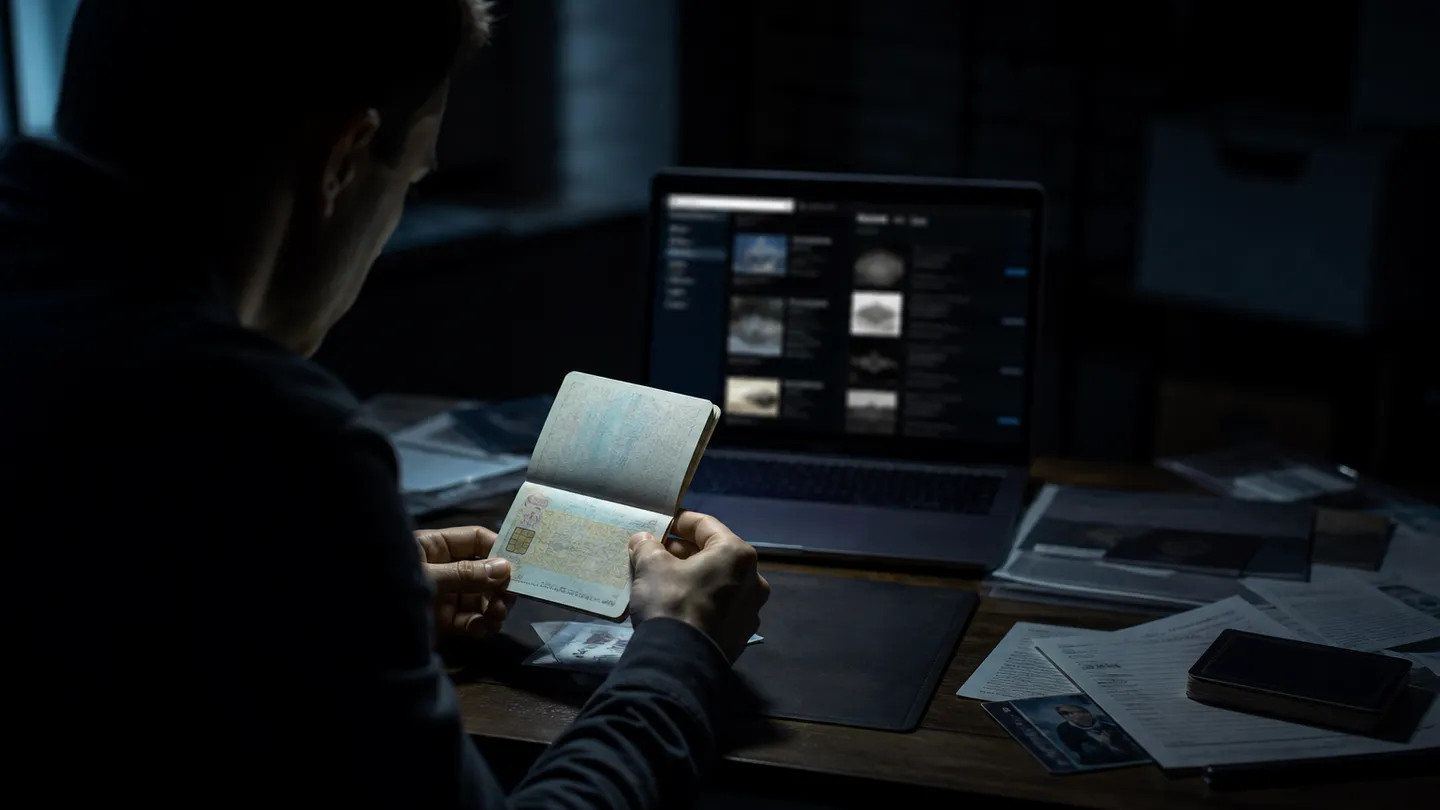
Risks, Limitations, and Guarantees
Purchasing a passport through the dark web is fraught with risks. You might receive nothing, a counterfeit passport, or a genuine document that belongs to someone else. Sellers do not provide reliable information about price, delivery time, or validity, making it nearly impossible to evaluate the legitimacy of the transaction. Sharing personal data can lead to identity theft or fraud, exposing you to serious legal consequences, including criminal charges.
Limitations also apply to the types of documents you may acquire. For example, a fake passport is unlikely to pass security checks, while a stolen identity passport can result in legal action if discovered. Even customised passports, which may seem like an attractive option, carry a high risk of detection by authorities. It's essential to consider these factors before taking any action.
Before making any payment or sharing personal documents, we recommend verifying the seller's authenticity. Contacting the US Department of State or consulting with a qualified immigration lawyer can provide crucial insights into the legal implications of your actions. If you have already shared information or made a payment, cease all communication with the seller immediately. Preserve any evidence of the transaction and report it to the relevant authorities to help mitigate any potential impact on your identity.
Straight answers
Is entering the dark web illegal?
Accessing the dark web is not itself prohibited in the United States, but the same laws governing fraud, stolen property and illegal transactions still apply there. Visiting a marketplace is different from ordering a stolen passport, sending identity documents or arranging delivery. We advise leaving immediately if a site requests payment or personal data for unlawful goods.
Is making a fake passport illegal?
Creating, altering or supplying a fake US passport can constitute a serious federal offence, even if the document is never accepted at a border. Labelling it a "replica" or "novelty" does not make deceptive use lawful. Anyone needing a prop should ensure it cannot reasonably be mistaken for an official travel document.
Can the FBI track the dark web?
Yes, dark-web activity can be investigated by the FBI and other law-enforcement agencies. Investigators may connect marketplace records with cryptocurrency transactions, email accounts, delivery addresses, device evidence or information obtained after a server seizure. Tor can obscure network traffic, but it cannot make the surrounding transaction untraceable.
How much is a stolen US passport worth?
There is no trustworthy market value because criminal listings, asking prices and claimed sales cannot be independently verified. A higher advertised price does not show that a passport is genuine, active or usable by the buyer. Possessing or attempting to use someone else's passport may also connect the buyer to identity theft and document fraud.
Can you really buy a passport on the dark web online?
You can encounter advertisements and make a payment, but that is not the same as buying a lawful passport. Any genuine document offered there is likely to belong to another person or have been obtained unlawfully, while a document created for the buyer has no legitimate issuing record. Border and identity checks are not limited to whether the booklet looks convincing.
Are Reddit claims about buying dark web passports credible?
Reddit claims are not reliable evidence that a seller delivered a genuine, usable passport. Posters can reuse photographs, operate several accounts or direct readers to private messages where there is no meaningful buyer protection. We advise checking claims about passport issuance, replacement or eligibility only through official US government channels or a qualified immigration lawyer.