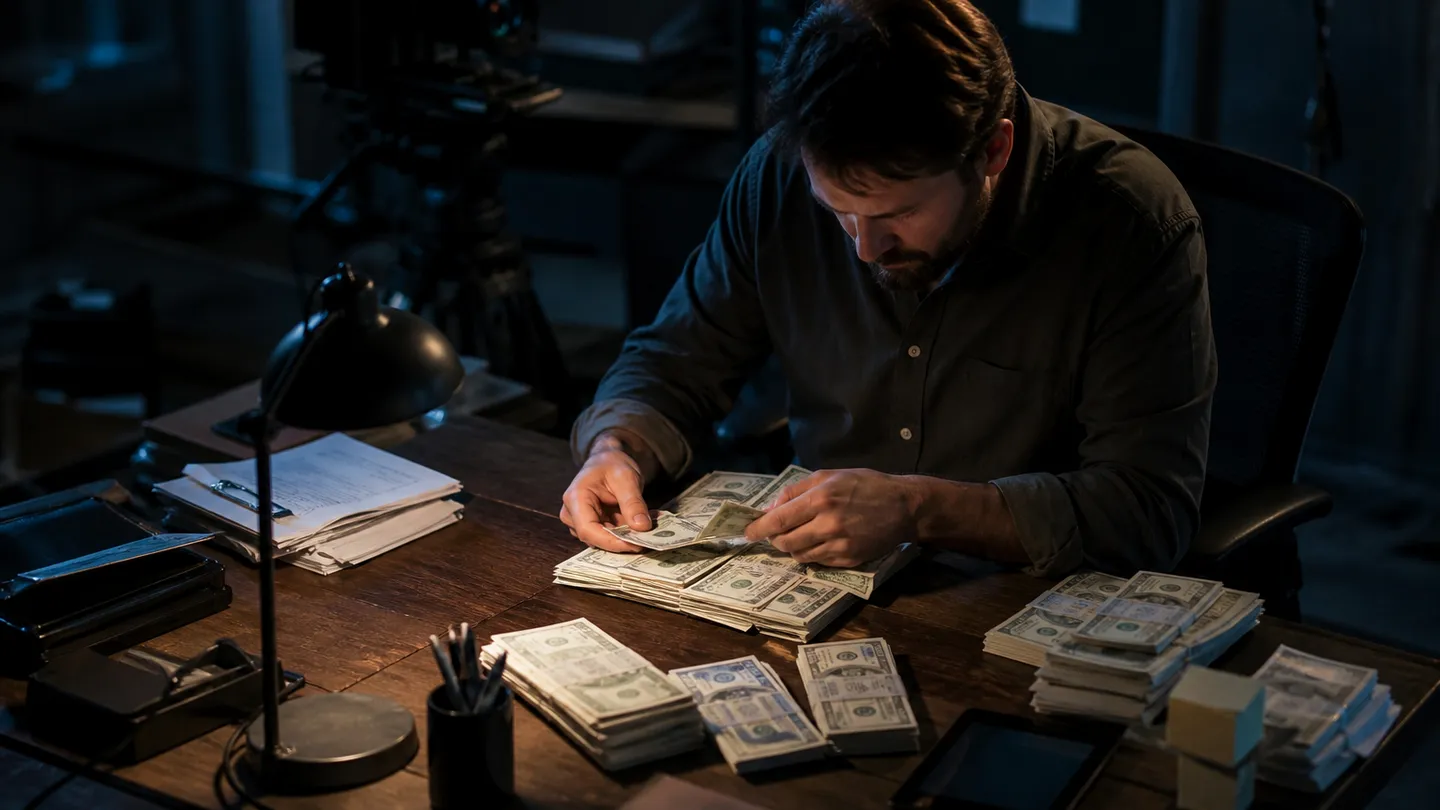
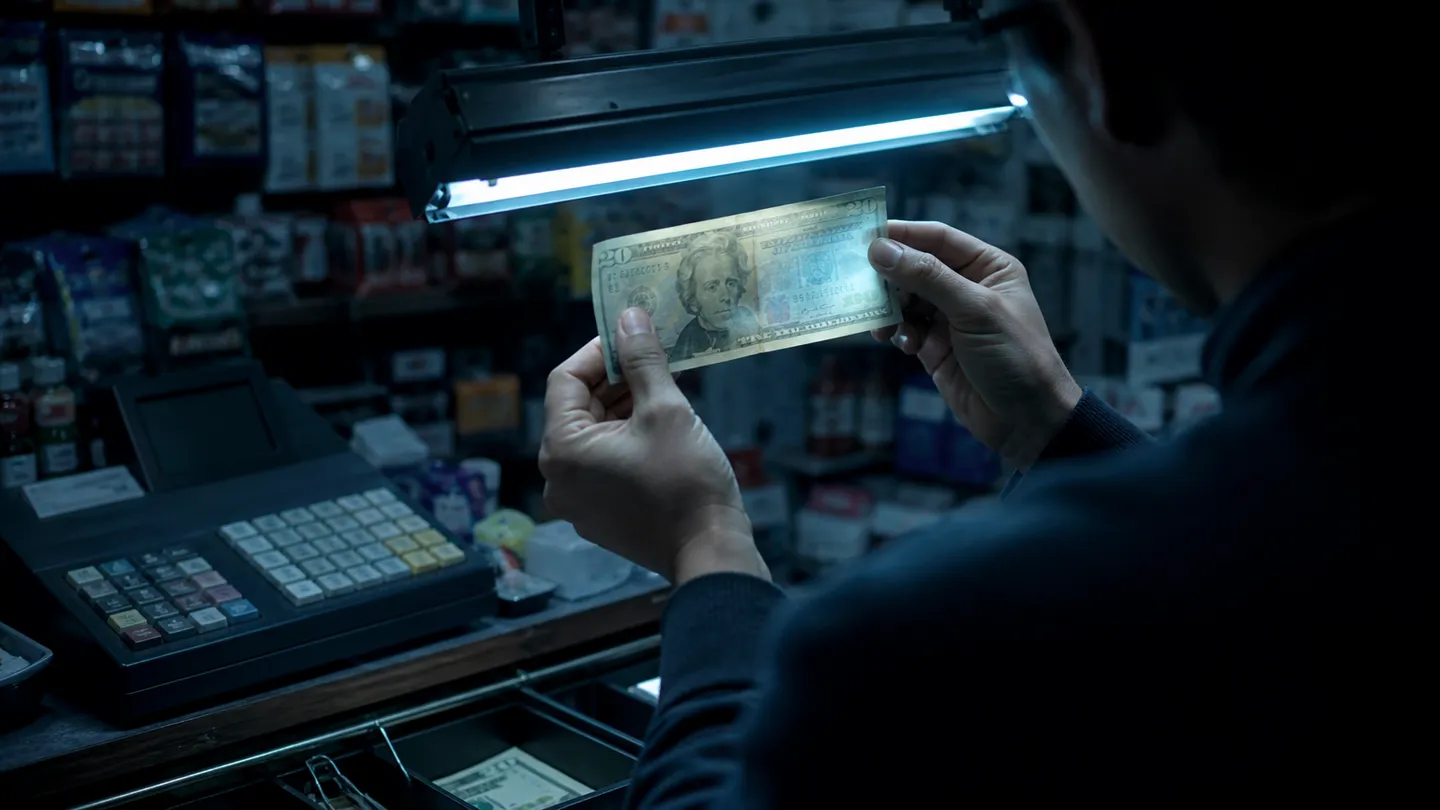
For most productions, clearly marked close-up prop money is the best choice. It balances convincing on-camera detail with visible motion-picture markings and works across hero shots, handheld scenes, and medium framing. Choose pre-aged notes when the cash should look handled, dirty, or worn; choose cheaper background bundles for distant stacks or large piles. Before buying, confirm both sides are identifiable as props and match your planned camera distance.
Top Picks for the Most Realistic Prop Money Available
| Use Case | Printed Sides | Markings | Bill Count | Full-Print-to-Filler Ratio | Price per 100 Bills | Claim-Check |
|---|---|---|---|---|---|---|
| Close-Ups and Hero Shots | Both sides | Realistic markings | 100 bills | High ratio | $50 | Specifications confirmed |
| Pre-Aged for Used-Cash Scenes | Both sides | Aged markings | 100 bills | Medium ratio | $45 | Specifications confirmed |
| Background Stacks and Large Cash Piles | One side | Minimal markings | 500 bills | Low ratio | $30 | Seller marketing language |
| General Use | Both sides | Standard markings | 200 bills | Medium ratio | $40 | Specifications confirmed |
| Realism Factors | N/A | N/A | N/A | N/A | N/A | N/A |
| Legal Red Flags | N/A | N/A | N/A | N/A | N/A | N/A |
| Comparison Tips | N/A | N/A | N/A | N/A | N/A | N/A |
| FAQs | N/A | N/A | N/A | N/A | N/A | N/A |
Quick Picks: The Most Realistic Prop Money by Use Case
We’ve compiled a shortlist of the most effective prop money options based on specific use cases. Each product listed here includes essential details such as printed sides, markings, bill count, and pricing, helping you make an informed decision.
Close-Ups and Hero Shots: This option features realistic markings on both sides, making it ideal for detailed scenes. With a bill count of 100, it offers a high full-print-to-filler ratio, priced at $50, translating to $50 per 100 bills.
Pre-Aged for Used-Cash Scenes: For scenes requiring a more authentic, worn look, this pre-aged money is a suitable choice. It also has markings on both sides and is available in a pack of 100 for $45, which is $45 per 100 bills.
Background Stacks and Large Cash Piles: When you need money for distant shots, this option is cost-effective. It features minimal markings on one side and comes in a bulk pack of 500 bills for $30, resulting in a price of $6 per 100 bills.
General Use: Suitable for a variety of production needs, this prop money has standard markings on both sides. It includes 200 bills priced at $40, which is $20 per 100 bills.
Before purchasing any prop money, ensure that it meets your production requirements by confirming that both sides are identifiable as props and appropriate for your intended camera distance.
Best Realistic Prop Money for Close-Ups and Hero Shots
For productions focusing on close-ups and hero shots, prop money that features realistic markings on both sides is essential. This ensures that the bills look authentic on camera while still being clearly identifiable as props. We recommend considering options like the Close-Ups and Hero Shots prop money, which is designed with a high full-print-to-filler ratio and includes 100 bills priced at $50. This product's detailed printing enhances its visual appeal, making it suitable for detailed scenes where money is a focal point.
Another viable choice is the Pre-Aged for Used-Cash Scenes prop money. This option also has realistic markings on both sides and is available in packs of 100 for $45. The aged appearance adds authenticity, making it ideal for scenes that require a worn look. Both options are marked appropriately, ensuring they comply with regulations while providing the necessary realism for your production.
It's important to note that even the most realistic prop money should not be indistinguishable from genuine currency. Products promoted as unmarked counterfeits or exact 1:1 copies should be avoided, as they can lead to legal issues. Always verify that the required prop markings are present, and ensure that the bills are suitable for the specific shots you plan to capture. By selecting the right prop money, you can enhance the visual storytelling of your project without compromising on legality or authenticity.
Best Pre-Aged Prop Money for Used-Cash Scenes
Best Pre-Aged Prop Money for Used-Cash Scenes
Pre-aged prop money is an excellent choice for filmmakers looking to create realistic used-cash scenes in crime dramas, period-style productions, or music videos. This type of prop money typically features elements such as folds, edge wear, and colour variation, making it appear more authentic and suitable for scenes where cash looks handled or worn.
When selecting pre-aged options, consider the differences in construction. Some products offer a full-print design on both sides, which enhances realism, while others may use a filler construction with less detail on one side. For instance, a common choice is a 100-bill stack priced around $45, offering a medium full-print-to-filler ratio, which balances cost and authenticity. In contrast, larger multi-bundle packs, such as those containing 500 bills, may be available at lower prices, around $30, but often sacrifice detail for quantity.
It’s essential to evaluate the visual characteristics of the prop money. Look for variations in colour and texture, as they contribute to the authenticity of the cash. Additionally, consider the level of wear; some options might feature more pronounced edge wear, enhancing the aged appearance.
For best results, choose pre-aged prop money that aligns with your production's specific needs. This type of prop is particularly effective in scenes where money is a focal point but should retain an authentic, used look. Remember, always verify that the bills are clearly identifiable as props to avoid legal issues.
Best Prop Money for Background Stacks and Large Cash Piles
When it comes to creating background stacks and large cash piles, the choice of prop money significantly influences the visual impact of your production. Full-print stacks provide a realistic appearance but can be more expensive, while blank filler stacks are a budget-friendly option that may not offer the same level of detail. Mixed bundles can strike a balance between cost and realism.
For instance, a typical bulk pack might contain 500 bills at a price of around $30. This means that the cost per 100 bills is approximately $6, making it an economical choice for filmmakers needing to fill a scene with cash without the need for detailed close-ups. However, it's important to note that these options often have minimal markings on one side, which can limit their effectiveness in medium and wide shots where detail is crucial.
In contrast, if you opt for a mixed bundle that includes a higher number of full-print bills, the cost per visible stack may increase, but the overall realism in closer shots will be enhanced. For example, if a pack includes 100 fully printed bills at a price of $50, the cost per 100 bills is straightforward but does not accommodate large background stacks effectively.
Before making a purchase, consider how much of the printed surface will remain visible during your intended shots. A good quantity calculation can help you determine how many stacks you will need based on the total number of visible bills required for your scene. Always ensure that both sides of the bills are identifiable as props to stay compliant with regulations, especially in larger piles where the details may be less scrutinised.
What Makes Prop Money Look Realistic on Camera?
The realism of prop money on camera is influenced by several practical factors, each contributing to its overall appearance and believability. Artwork clarity plays a crucial role; well-defined images and precise printing ensure that details are visible even in close-up shots. The colour of the bills should closely match that of genuine currency, as slight variations can be noticeable under different lighting conditions. Paper weight and stiffness are also significant; a heavier, stiffer paper mimics the feel of real money, whereas flimsy materials can appear cheap and unconvincing.
Edge alignment is another factor that can affect realism. Bills that are cut accurately and have consistent edges will look more authentic than those with uneven or jagged cuts. Aging techniques, such as introducing folds and creases, can enhance the visual appeal, making the money appear more used and handled. Stack compression is important too; the way bills are stacked can affect how they appear in scenes, with tightly packed stacks looking more realistic than loosely arranged ones. Consistency between exposed and filler bills is essential, especially for scenes featuring large amounts of cash, as mismatched bills can break the illusion.
Physical similarity to genuine U.S. currency is often a consideration, as real bills contain about 75% cotton and 25% linen, giving them a distinct texture and durability. However, it's important to note that physical resemblance alone does not guarantee quality or legality. Prop money must be clearly identifiable as fake to avoid legal complications, and products that attempt to replicate genuine currency too closely should be approached with caution. Always ensure that your chosen prop money meets the necessary criteria for your production needs, while keeping legal considerations in mind.
Realism, Motion Picture Markings, and Legal Red Flags
When selecting prop money, understanding the legal implications and realism factors is crucial. Claims such as "without Motion Picture Use Only" or "1:1 prop money" can be misleading. According to U.S. Secret Service guidelines, prop money must have clear markings to distinguish it from real currency. For instance, the law under 18 U.S.C. § 504 states that any reproduction of U.S. currency must include specific characteristics to avoid confusion with genuine bills. Products that claim to be indistinguishable replicas or unmarked counterfeits should be avoided, as they pose a risk of legal repercussions.
It's important to note that a seller's use of words like "legal" or "compliant" does not guarantee the product's legitimacy. Red flags to look for include missing product photos, undisclosed markings, promises that bills will pass inspection, or any suggestion that they can be spent. These warning signs indicate that the prop money may not meet the necessary legal standards.
Before making a purchase, we recommend ensuring that the prop money features the appropriate markings and is clearly identifiable as fake. This will help avoid any potential legal issues during production. Understanding these details will enable us to select the right prop money that balances realism and compliance, ensuring a successful shoot without the risk of breaking the law.
How to Compare Prop Money Before You Buy
When it comes to purchasing prop money, a structured checklist can help ensure that you make the right choice for your production needs. Start by defining the intended shot type—close-ups require highly realistic bills, while background stacks may allow for less detail. Next, consider whether you need printed sides; both front and back printing is essential for close-up shots, while filler options may suffice for wider angles.
Visible disclaimers are crucial, as they help differentiate prop money from real currency. Always check the dimensions and denominations to ensure they match your requirements. The full-print versus filler ratio is another important factor; higher ratios provide more detail and realism. Additionally, consider the bill count in each pack and calculate the price per 100 bills to normalise your options—this allows for a fair comparison across different products.
Shipping time is another practical consideration, especially if you're working on a tight schedule. Review the return policy in case the prop money does not meet your expectations. Finally, obtain seller contact information for any inquiries or clarifications before purchasing.
To make informed decisions, always refer to official specifications rather than relying on marketplace titles or promotional claims. By following this checklist, you can confidently select prop money that enhances your production while ensuring compliance with legal standards.
Frequently Asked Questions About Realistic Prop Money
When considering realistic prop money, several common questions arise, particularly regarding its feel, sourcing, and suitability for various production needs. The texture of prop money can vary, with higher-quality options mimicking the weight and stiffness of real currency. This realism is essential for close-up shots, where the tactile feel can enhance the overall authenticity of your scenes.
Sourcing prop money is straightforward, with many reputable online retailers offering a range of options. It’s crucial to choose suppliers who adhere to legal guidelines, ensuring that the prop money is clearly marked as fake and not easily confused with genuine currency. Pre-aged options are also available, providing a worn appearance that can be particularly effective in scenes requiring a more authentic look.
The suitability of prop money for close-ups largely depends on its print quality and detail. Products that feature full printing on both sides tend to perform better in such scenarios, while filler options may suffice for background stacks where detail is less critical. Understanding common product terms can help clarify what to expect; for instance, "full-print" means both sides are printed, while "filler" may indicate less detail on one side.
It's essential to remember that prop money must always be identifiable as a prop. It should never be passed, offered, or represented as genuine currency, as doing so can lead to serious legal consequences. By choosing the right type of prop money, filmmakers and content creators can enhance their projects while staying within legal boundaries.
Pros and Cons
- Pros
- Full-print prop money offers clearer artwork and stronger realism for close-ups.
- Pre-aged bills add convincing folds, creases, and edge wear to scenes requiring a used appearance.
- Mixed bundles balance detailed visible bills with cheaper filler notes for large cash piles.
- Clearly marked prop money supports safer production use by distinguishing the notes from genuine currency.
- What doesn't
- Detailed full-print bills can cost considerably more than bulk filler packs.
- Blank or minimally printed filler notes may look unconvincing when exposed in medium shots or close-ups.
- Colour, stiffness, edge alignment, and print quality can vary between commercially available products.
- Large mixed piles can break the illusion when visible bills and filler notes do not match.

Who Each Option Suits
Match the prop to the shot. We recommend choosing by camera distance, movement, exposed surfaces, and the likelihood that performers or guests will handle the notes.
If You Are Filming Close-Ups — Choose Double-Sided Full-Print Notes
Detailed artwork, aligned edges, and consistent colour help when notes fill the frame or pass through an actor’s hands. Choose visible prop markings on both faces rather than products promoted as unmarked or indistinguishable from genuine currency.
If You Need a Large Cash Pile — Choose Mixed Bundles
Use detailed notes across the top and outer edges, then place matching filler inside areas the camera cannot see. This approach suits wide shots of tables, cases, or vaults without paying for detailed printing on every hidden sheet.
If Performers Will Fan, Throw, or Count the Cash — Choose Consistent Full-Print Notes
Movement exposes both faces and makes mismatched filler easier to notice, particularly during slow motion or repeated handling. We suggest checking paper stiffness, cut consistency, and disclaimer placement before committing to the full order.
If You Are Styling a Seattle Event — Choose Clearly Marked, Easily Controlled Props
At venues where guests may pick up loose notes, conspicuous prop wording is more suitable than replicas designed to appear genuine under inspection. Keep the pieces within the styled area, brief venue staff, and collect them after the event rather than allowing them into public circulation.
Before ordering, confirm:
- the closest planned camera distance;
- which faces and edges will remain visible;
- whether the notes will bend, flip, or scatter;
- that every exposed note is readily identifiable as a prop.
Verdict: What to Choose
Choose clarity over imitation. For a typical shoot, we recommend commercially available, double-sided notes with visible prop wording, consistent colour, and enough detail for the planned framing. Choose mixed bundles for static background piles, pre-aged notes for handled cash, or more conspicuously marked designs for Seattle events where guests may pick them up.
Before buying, make sure:
- product photographs show both faces;
- markings remain visible in the intended shot;
- the seller provides dimensions, pack contents, returns information, and contact details;
- delivery timing fits the production schedule.
Avoid unmarked replicas, "1:1" offers, spending claims, and listings that conceal the actual design. For additional sourcing checks, see Realistic Fake Money for Sale: Where to Find It.