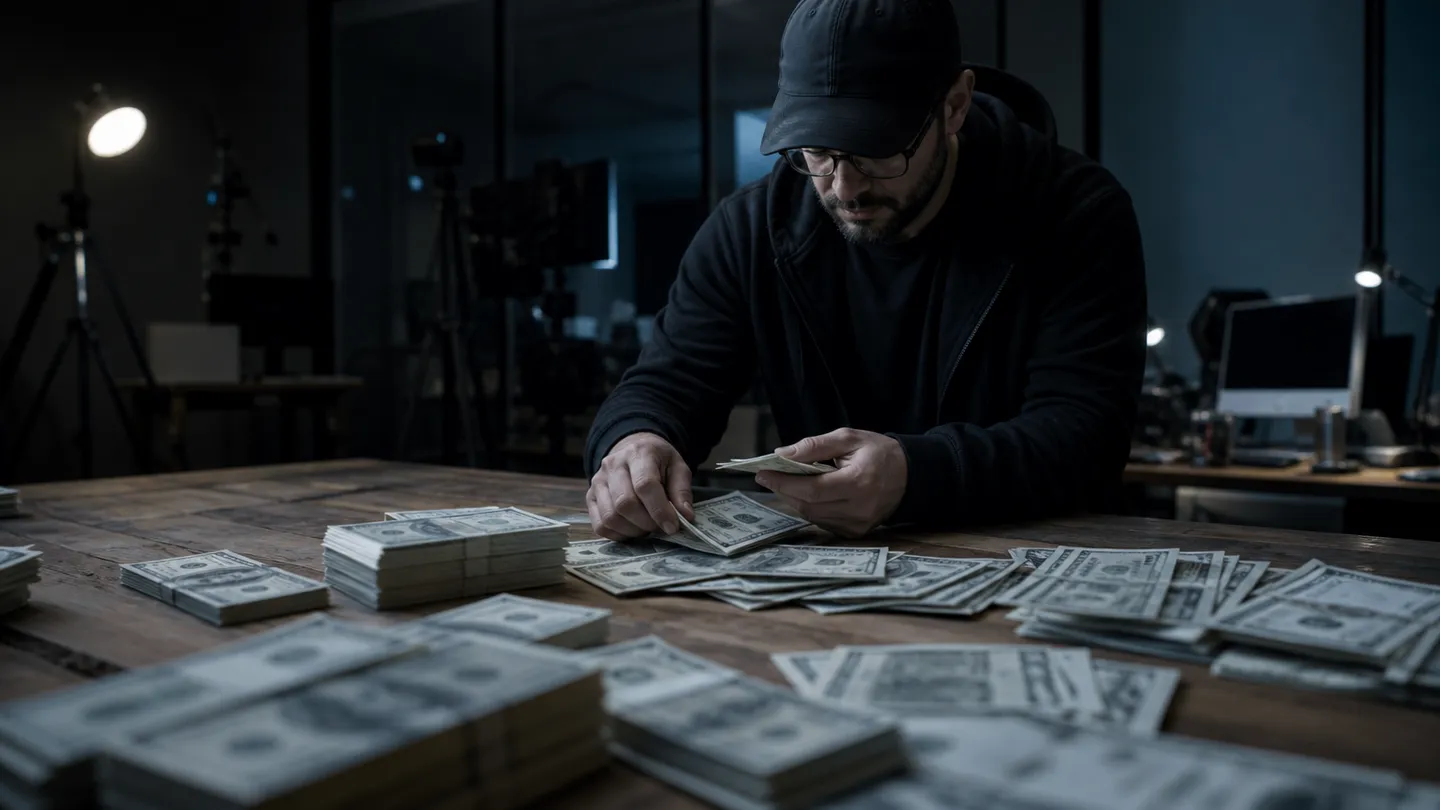
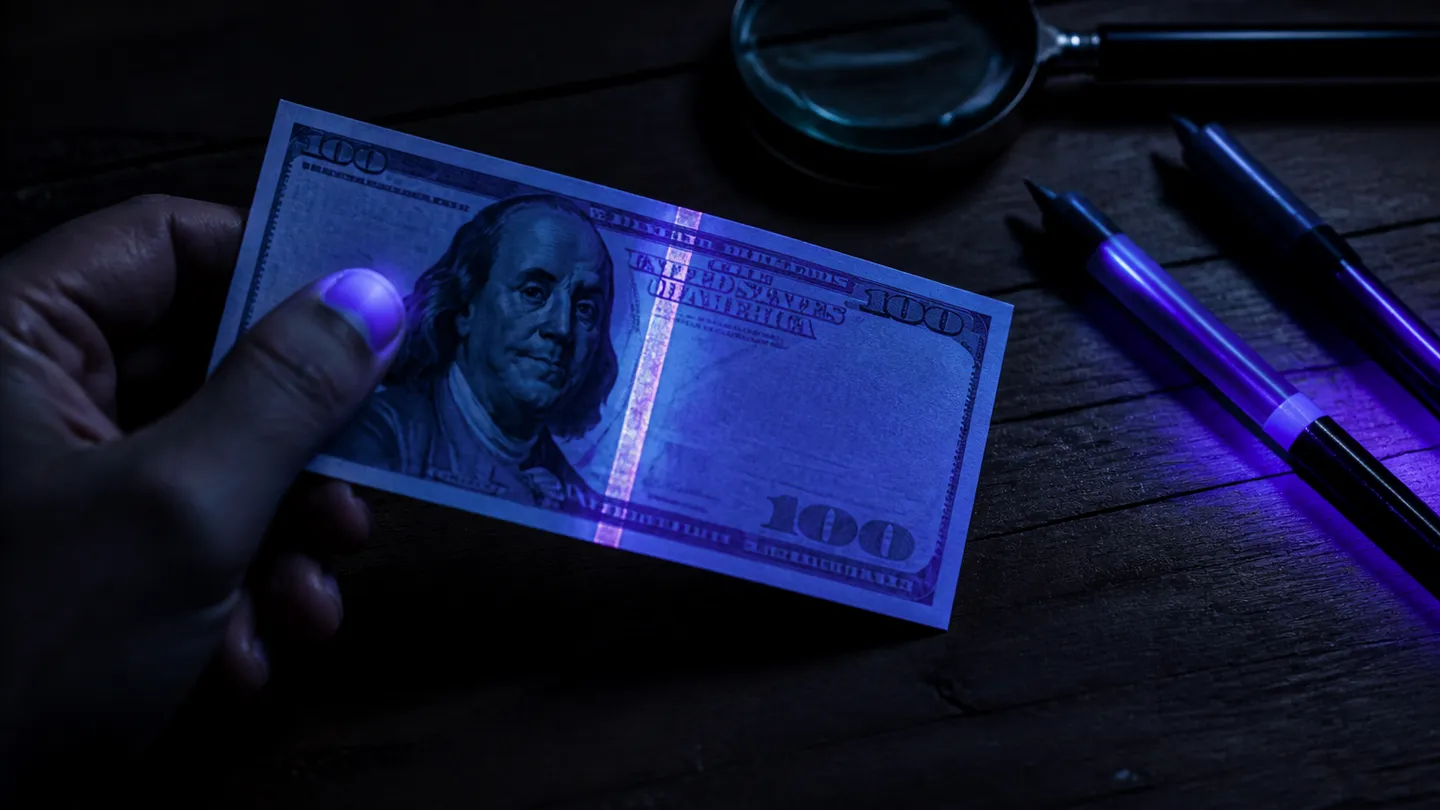
Realistic fake money should be clearly non-negotiable prop currency that resembles cash on camera without being mistaken for legal tender. We recommend buying from specialist prop suppliers, theatrical shops, or established marketplace sellers, choosing notes with permanent "prop" markings, altered designs, and clear product descriptions rather than unmarked reproductions of genuine US currency.
Where to Buy Realistic Fake Money Legally
Finding realistic fake money that adheres to legal requirements can be straightforward if you know where to look. We can compare several sources: specialist prop-money stores, film and theatre suppliers, prop-rental houses, and major marketplaces like Amazon and eBay. Each has its strengths and limitations, so understanding these can help you make an informed decision.
Specialist Prop-Money Stores
These stores focus exclusively on prop money and often offer a variety of options, including aged prop money and double-sided bills. They typically provide high-quality products that comply with legal standards, such as having "For Motion Picture Use Only" printed on them. However, prices can vary significantly, and shipping might take longer.
Film and Theatre Suppliers
Film and theatre suppliers often cater to production companies and offer realistic prop money. They usually have a good selection of full-print prop bills and may provide bulk discounts for larger orders. The downside is that they may have stricter return policies, and the variety might be limited compared to specialist stores.
Prop-Rental Houses
Renting prop money from a prop-rental house can be a cost-effective solution for short-term projects. These establishments often stock a range of props, including novelty money. The limitation is that rental fees can accumulate quickly, and you must ensure the items are returned in good condition to avoid extra charges.
Major Marketplaces (Amazon and eBay)
Marketplaces like Amazon and eBay offer a vast selection of prop money, making it easy to compare prices and options. However, buyer protection can vary depending on the seller. It’s crucial to check product descriptions carefully to ensure compliance with legal standards, as not all listings will provide the necessary markings.
| Source Type | Price Range | Pack Size | Denomination | Shipping Region | Return Policy | Compliance Markings |
|---|---|---|---|---|---|---|
| Specialist Prop-Money Stores | $15 - $50 | 100 bills | Various | USA | 30 days | "For Motion Picture Use Only" |
| Film and Theatre Suppliers | $20 - $60 | 50 - 100 bills | Various | USA | 14 days | "Non-negotiable currency" |
| Prop-Rental Houses | $10 - $25/day | N/A | Various | Local only | Must return by due date | "Replica currency" |
| Major Marketplaces | $10 - $40 | 50 - 200 bills | Various | Worldwide | 30 days (varies by seller) | Check individual listings |
Before purchasing, ensure that the prop money you choose meets the necessary requirements to avoid any legal issues, such as those outlined in 18 U.S.C. § 504 and 31 CFR Part 411. Always look for products clearly marked as non-negotiable and suitable for theatrical use.
Best Buying Options by Use Case
When selecting realistic fake money, understanding your specific use case can guide you to the best purchasing options. Different scenarios require different types of prop money, so let's explore the best sources based on various applications.
Close-Up Film Shots
For projects requiring close-up shots, we recommend sourcing full-print prop bills. These bills typically feature detailed designs and are printed on high-quality paper, mimicking the look and feel of real currency. A good example is a hero stack of 100 bills, which can be used to create a visually impactful scene. Specialist prop-money stores usually offer these options, ensuring compliance with regulations such as 18 U.S.C. § 504. Prices for high-quality bills can range from $15 to $50, depending on the denomination and quantity.
Background Cash
If you're looking to fill a scene with background cash, blank filler stacks or inexpensive bundles are often sufficient. These are typically less detailed and can be used effectively in wide shots where close-up detail isn't as critical. Film and theatre suppliers often provide bulk options, allowing you to purchase 50 to 100 bills at a lower cost, around $20 to $60. This approach helps maintain production continuity without breaking the budget.
Social Media Content
For content creators focused on social media, novelty money can be an appealing choice. It adds flair to videos or photos without the need for full compliance with legal tender regulations. Rental houses often stock various types of prop money, which can be a cost-effective solution for short-term needs. Rental fees generally range from $10 to $25 per day, but be mindful of the conditions for return to avoid extra charges.
Stage Productions and Classroom Activities
In theatrical settings or educational environments, double-sided prop money marked as "non-negotiable currency" is essential. This ensures that students and performers understand the distinction between real and fake money. Theatrical suppliers often provide these options, and prices typically vary from $20 to $60 for packs of 50 to 100 bills. Always check for compliance markings to adhere to legal standards.
Parties and Display
For parties or decorative displays, aged prop money can add an interesting touch to the atmosphere. These bills can be sourced from major marketplaces like Amazon and eBay, where prices can range from $10 to $40 for bundles. However, it’s crucial to verify that these products are clearly marked as non-negotiable to avoid any misunderstandings.
By assessing the specific needs of your project, you can choose the right type of prop money that balances quality, compliance, and cost-effectiveness. Always remember to check for clear markings indicating that the currency is intended for prop use only.
What Makes Prop Money Look Real on Camera?
Several factors contribute to the realism of prop money on camera. When creating scenes for film or photography, understanding these elements can significantly enhance the visual quality of your project.
Print sharpness is crucial; high-quality printing ensures that details are crisp and clear. If the print is blurred or pixelated, it can detract from the overall appearance, making the prop money look fake even from a distance. We should also consider paper behaviour. Realistic prop money often uses a paper weight and texture similar to genuine currency, which adds to its authenticity when handled.
Colour consistency is another vital factor. Prop money should maintain a consistent colour palette that closely resembles real bills. Variations in colour can be noticeable on camera, especially in different lighting conditions. Edge treatment also plays a role; prop bills with finely cut edges look more realistic than those with rough or uneven cuts.
Aging techniques can further enhance realism. Aged prop money, designed to mimic the look of well-used bills, can add depth to scenes, especially in period films. Additionally, double-sided design is essential for close-up shots, ensuring that both sides of the bill are complete and proportionate.
Stack alignment matters as well; bills that are stacked unevenly can appear unrealistic, especially in medium or close-up shots. Proper alignment ensures that the prop money looks natural in hand or when fanned out. Denomination accuracy is important too; using the correct denominations for the context of your scene will maintain credibility.
It’s a common misconception that the best prop money must be indistinguishable from real currency. In reality, prop money should have visible markings indicating its non-negotiable status. According to regulations from the U.S. Secret Service, prop money must be clearly marked to avoid any legal issues, as outlined in 18 U.S.C. § 504 and 31 CFR Part 411.
When shooting, consider the distance from which the camera will capture the prop money. Close-up shots require more detail and quality, while medium and background shots can use less detailed options without sacrificing realism. Understanding these principles can help us select the best prop money for our projects, ensuring it looks convincing on camera while remaining compliant with legal standards.
How to Compare Price, Quantity, and Quality
When purchasing realistic fake money, it's essential to look beyond just the bundle price. Calculating the cost per bill and the cost per usable on-camera stack can significantly impact your budget and the effectiveness of your project. For example, if you buy a pack of 100 bills for $30, the cost per bill is $0.30. However, if you need a stack of 10 bills for a scene, you should also consider the total cost of that stack, which would be $3.00 in this case.
To help you evaluate your options, we can create a comparison table for different pack sizes, such as 50, 100, and 500 pieces. This table will allow you to input verified current prices and shipping costs, making it easier to determine the best value for your needs.
| Pack Size | Estimated Price | Shipping Cost | Cost per Bill | Cost per Usable Stack (10 bills) |
|---|---|---|---|---|
| 50 | $15 | $5 | $0.30 | $3.00 |
| 100 | $30 | $7 | $0.30 | $3.00 |
| 500 | $120 | $10 | $0.24 | $2.40 |
When weighing your options, consider the trade-offs associated with different types of prop money. Aged bills may give a vintage look but can be more expensive. Full-print designs are ideal for close-up shots, while blank filler stacks are often less detailed and more cost-effective for background scenes. Custom denominations can add realism but might come with a higher price tag.
Reusable rental props can be a flexible solution for short-term projects, but be cautious of rental fees that can accumulate quickly. Always ensure that the prop money you choose is compliant with legal standards, such as being clearly marked as "non-negotiable currency" to avoid any potential issues with authorities like the U.S. Secret Service. Understanding these factors will help us make more informed decisions regarding the purchase of prop money that meets our project requirements while staying within budget.
Legal Requirements and Safe Use of Prop Money
Using prop money in the United States involves navigating specific legal requirements to avoid any potential issues. The key regulations are outlined in 18 U.S.C. §§ 471–474 and 504, as well as 31 CFR Part 411. These laws dictate that any reproduction of currency must clearly indicate its non-negotiable status. For instance, prop money should bear markings such as "For Motion Picture Use Only" or "Non-negotiable currency." However, merely having these markings does not automatically guarantee legality; the design, size, and reproduction method also play significant roles in compliance.
The U.S. Secret Service provides guidance on the use of prop money, underscoring that it must never be presented as real currency. This includes a strict prohibition against offering it as payment or attempting to deposit it. The intent behind using prop money matters significantly; if it is used in a way that could confuse the public or be mistaken for genuine currency, legal repercussions can follow.
It's important to note that laws surrounding prop money vary by country. While the U.S. has clear guidelines, other nations may have different regulations. Therefore, if you plan to use prop money internationally, research the specific legal requirements in those jurisdictions.
To ensure safe use of prop money, we recommend the following:
- Always purchase from reputable sources that comply with legal standards.
- Verify that the prop money is clearly marked as non-negotiable.
- Avoid using prop money in any context that could mislead others into believing it is real currency.
By adhering to these guidelines, we can enjoy the benefits of realistic-looking prop money without running afoul of the law.
Seller Red Flags and Counterfeit-Money Scams
Seller Red Flags and Counterfeit-Money Scams
When searching for realistic fake money, it’s crucial to be aware of potential scams and red flags that indicate unreliable sellers. One major warning sign is any seller advertising notes as “spendable” or “undetectable.” Legitimate prop money is designed solely for theatrical or educational use and should always be marked accordingly. Any claims suggesting that the money can pass counterfeit pens or machines are highly suspect and often indicate a fraudulent product.
Another red flag is the absence of business details. If a seller does not provide a clear company name, contact information, or customer service options, it’s wise to approach with caution. Additionally, if product photos appear to be copied or generic, this may suggest that the seller is not operating legitimately. Be wary of sellers who only accept cryptocurrency payments, as this can make it difficult to recover funds if the purchase goes wrong.
Unrealistic discounts can also signal a scam. If a deal seems too good to be true, it probably is. Genuine prop money typically has a reasonable price range based on its quality and intended use. Lastly, a lack of a return policy can indicate that a seller is not confident in the quality of their product. Always ensure that you can return the items if they do not meet your expectations.
Before making a purchase, we recommend a pre-purchase verification checklist to mitigate the risk of scams. Here’s what to request from the seller:
- Front-and-back images of the prop money
- Dimensions of the bills
- Clear markings indicating the bills are for prop use only
- Details about the material used
- An invoice detailing the purchase
- Shipping origin
- Written confirmation stating that the product is intended solely as a prop
By following these guidelines, we can protect ourselves from counterfeit-money scams and ensure that we purchase high-quality, compliant prop money suitable for our projects. For further information on identifying reliable sources, check out our guide on Fake Money Website: Identifying Reliable Sources.
Prop Money vs. Counterfeit Money: Key Differences
Prop Money vs. Counterfeit Money: Key Differences
Understanding the distinctions between prop money and counterfeit currency is crucial for filmmakers, educators, and collectors. Prop money is legally produced for entertainment purposes, while counterfeit currency is illegal and intended to deceive. Here’s a breakdown of the key terms:
- Legal Entertainment Props: These are items created specifically for use in films, theatre, or other performances, clearly marked as non-negotiable.
- Novelty Money: Typically used for promotional purposes or as gifts, novelty money resembles real currency but is not intended for any transaction.
- Replica Currency: These are accurate reproductions of real currency, created for display or educational purposes, and must be marked accordingly to avoid confusion with real money.
- Altered Currency: This refers to real currency that has been modified in some way, often illegally, which can lead to legal consequences.
- Counterfeit Notes: These are fake currency notes produced with the intent to use them as real money, violating laws such as 18 U.S.C. § 504.
To clarify these differences, we can compare their characteristics in the following table:
| Feature | Prop Money | Counterfeit Money |
|---|---|---|
| Intended Use | Entertainment, education | Deception for financial gain |
| Visible Markings | Clearly marked as non-negotiable | No legal markings |
| Dimensions | Same as real currency | May vary from real currency |
| Seller Claims | Legally produced for prop use | Often claims to be “real” |
| Legal Risk | Minimal if used correctly | High risk of criminal charges |
Terms like "realistic," "full print," or "aged" are often used in marketing but do not guarantee the legality or quality of the product. Always check that prop money is marked as "For Motion Picture Use Only" and adheres to the regulations set by the U.S. Secret Service and applicable laws. Being informed about these differences can help us make better choices when sourcing prop money for our projects, ensuring compliance and safety.
Checklist Before You Place an Order
Before finalising your order for realistic fake money, it's vital to consider several factors to ensure that you meet your project's requirements effectively. We’ve compiled a checklist to help guide your decision-making process:
- Shot Distance: Determine how close the camera will be to the prop money. For close-up shots, opt for high-quality, detailed bills, while less detailed options may suffice for medium or background shots.
- Required Denominations: Identify the specific denominations needed for your scenes. Having a range can enhance realism.
- Number of Visible Bills: Decide how many bills will be visible on camera. For example, if your hero shot includes five visible bills, plan accordingly for your order.
- Front-and-Back Visibility: Consider whether both sides of the bills will be visible in your shots. Double-sided prop money is essential for scenarios where both sides are in view.
- Budget: Set a clear budget for your purchase. Factor in the cost per bill and the total number of bills needed for your project.
- Delivery Date: Ensure that the estimated delivery date aligns with your project timeline. Last-minute orders can lead to complications.
- Return Terms: Check the seller's return policy. It's important to know if you can return the bills if they do not meet your expectations.
- Local Legal Requirements: Familiarise yourself with local laws regarding the use of prop money, ensuring compliance with regulations like 18 U.S.C. § 504 and 31 CFR Part 411.
As a simple quantity example, if you need five visible hero bills for a scene, consider ordering them along with additional filler bills and a 10–15% contingency for potential damage or continuity issues. For instance, if your hero bills are in stacks of five, ordering 10 stacks plus a few extras would ensure you have enough for reshoots or any unforeseen circumstances.
Safe Storage and Disposal
Once your prop money arrives, proper storage is crucial. Keep it in a dry, cool place, and consider using a secure container to prevent damage. Implementing an inventory control system can help track your stock and ensure you know when to reorder. When it comes to disposal, always shred or securely dispose of any prop money that is no longer needed, as this helps avoid any potential legal misunderstandings regarding counterfeit currency. By following these guidelines, we can ensure that our use of prop money remains both effective and compliant.
Buying Matrix for Realistic Fake Money
| Seller Type | Close-Up Suitability | Compliance Features | Unit Price | Returns | Delivery Transparency |
|---|---|---|---|---|---|
| Reputable Retailers | High quality for close-ups | Marked as non-negotiable | $20–$50 per 100 bills | Clear return policy | Estimated delivery provided |
| Online Marketplaces | Varies by seller | Depends on listing | $10–$30 per 100 bills | Depends on seller | May lack transparency |
| Local Prop Shops | High quality for close-ups | Marked as non-negotiable | $30–$60 per 100 bills | Usually flexible | Immediate pickup available |
| Custom Prop Makers | Tailored for specific needs | Marked as non-negotiable | $50+ per 100 bills | Negotiable | Depends on project timeline |
Common Mistakes and Misconceptions
The common traps are avoidable.
Assuming the Most Realistic Notes Are Always Best
Buyers often choose maximum detail because they expect it to improve every shot, but realism depends heavily on framing and viewing distance. Background cash, fast action, and wide shots rarely need the same finish as a close-up where individual notes remain visible. We suggest matching detail to the shot list rather than paying for features the camera will not capture.
Treating One Seller Type as the Best Choice
Specialist suppliers may offer consistent specifications, marketplaces provide broader selection, and prop houses can suit short productions that prefer rental. Buyers run into trouble when they compare listings from only one category or rely on a seller’s own claims instead of assessing suitability for the scene. Before committing, compare purchase and rental options across the same criteria: visible markings, print consistency, delivery timing, support, and return conditions.
Believing a Printed Disclaimer Makes Any Replica Lawful
A phrase such as "prop money" or "not legal tender" is not a shortcut that makes every design, reproduction method, or use acceptable. This misconception can lead buyers to focus on one printed label while overlooking the overall appearance and the circumstances in which the notes will be handled or displayed. We advise checking current requirements for the intended location and use, including public shoots or events around Seattle.
Comparing Pack Prices Instead of Total Cost
A low advertised price can become poor value once shipping, filler material, unusable notes, and restricted returns are included. Buyers may also receive large stacks with realistic outer notes but unsuitable interiors, leaving less camera-ready cash than expected. Before paying, calculate the usable cost from the following items:
- Product price and delivery charges
- Number of camera-ready notes
- Required fillers or stack inserts
- Likely unusable or inconsistent pieces
- Return shipping and restocking conditions
Buying When Renting Would Fit the Project Better
People often assume ownership is cheaper because the props remain available after filming. For a short Seattle production needing several denominations or high-quality close-up pieces, a rental may reduce storage, disposal, and replacement concerns; repeated shoots may favour purchasing instead. We recommend comparing the full hire period with the complete purchase cost, then checking whether reshoots or schedule changes could alter that choice.
Conclusions
- Start with the shot list. Match the notes’ finish and quantity to framing, handling, and whether both sides will appear.
- Check compliance before appearance. Clear non-negotiable features and lawful use matter more than marketing terms such as "realistic" or "aged".
- Compare usable cost, not bundle price. Include delivery, camera-ready pieces, fillers, returns, storage, and disposal when choosing between purchase and rental.
- Verify the seller before paying. Keep listing screenshots, specifications, payment records, and correspondence in case the delivered props differ.
- Control the props on set. Organise secure handling, especially during public shoots or events around Seattle.
Next, use our Best Replica Money: Top Picks for Quality guide to narrow down suitable options for your production.
Straight answers
How to make fake money look more realistic?
We suggest improving the shot rather than altering the note: use controlled lighting, natural handling, shallow focus and genuine-looking wallets or cash drawers. Light creasing or removable stage dirt can reduce a freshly printed appearance, but never cover non-negotiable markings or add genuine currency features.
How to check US dollar real or fake?
Compare the note with known genuine currency and examine its paper feel, security thread, watermark, colour-shifting ink and print sharpness, since features vary by denomination. If doubt remains, we advise refusing the note and asking a bank or the U.S. Secret Service how to report it rather than relying on a pen test alone.
Is it illegal to own fake money?
Owning clearly identified theatrical or novelty money is different from possessing deceptive counterfeit currency, but legality depends on the design, intended use and circumstances. We advise keeping packaging and purchase records, controlling access on set and checking current U.S. Secret Service guidance before public use in Seattle.
Where can I buy realistic fake money for film or photography?
We suggest starting with specialist film-prop suppliers, theatrical rental houses or established marketplace sellers that provide detailed images of both sides and written product specifications. For a Seattle shoot, local collection from a prop house lets the production inspect markings, paper finish and camera suitability before accepting the order.
What is the most realistic fake money for sale that is still legal?
The safest realistic option is purpose-made screen money that reads convincingly on camera while remaining unmistakably non-negotiable when inspected. We favour fictional designs or visibly altered notes for close shots, using framing, lighting and focus to create realism rather than choosing a near-identical currency reproduction.
Is realistic fake money sold on Amazon legal?
An Amazon listing is not evidence that the product or its intended use complies with the law. Before buying, we suggest checking photographs of the actual front and back, seller identity, non-negotiable features, return terms and whether the delivered item matches the listing.
Can prop money be printed without “For Motion Picture Use Only”?
That exact phrase is not a universal safe harbour, and its absence does not by itself decide whether a prop is lawful. Other conspicuous alterations may distinguish a fictional note, but we advise checking current U.S. Secret Service requirements before printing anything based on U.S. currency.