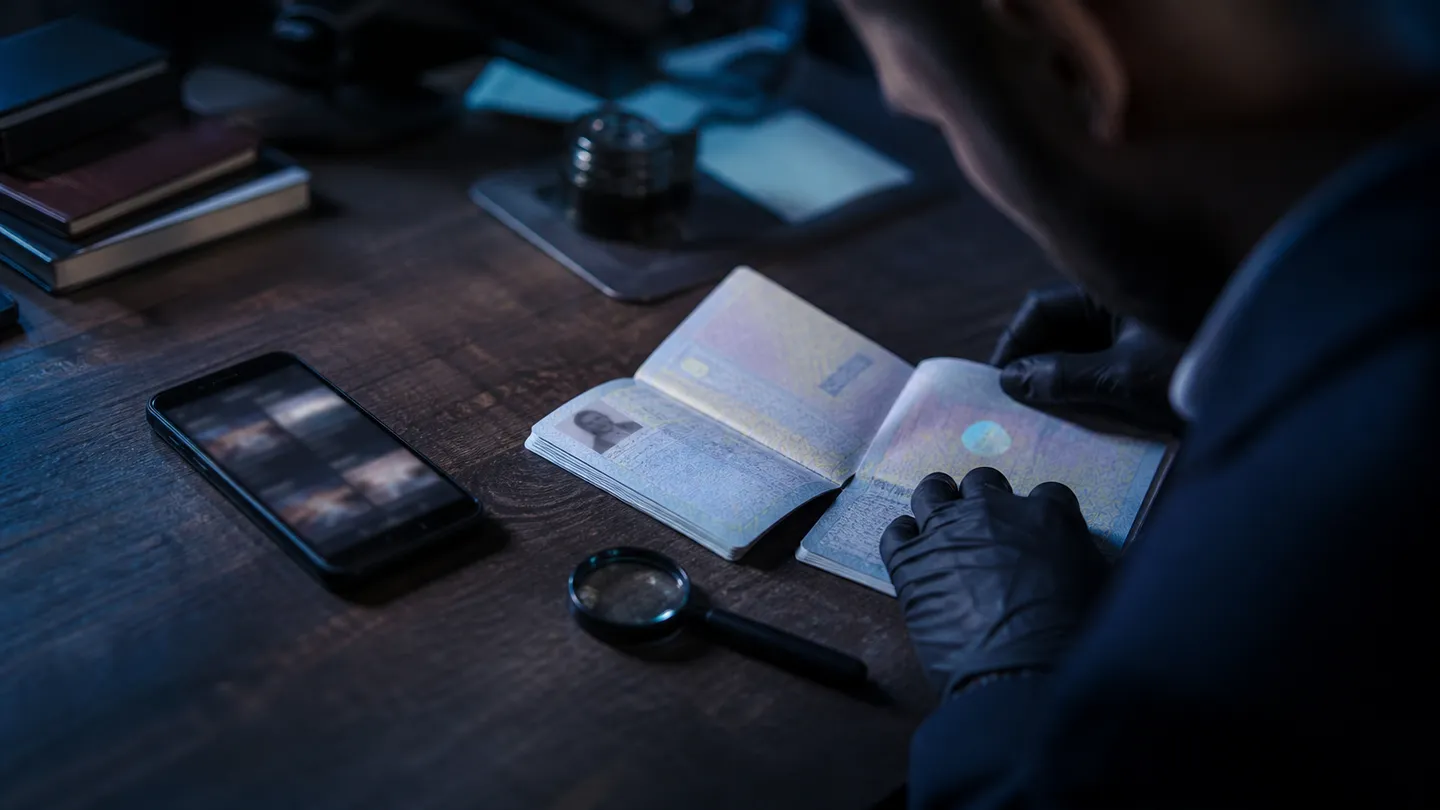
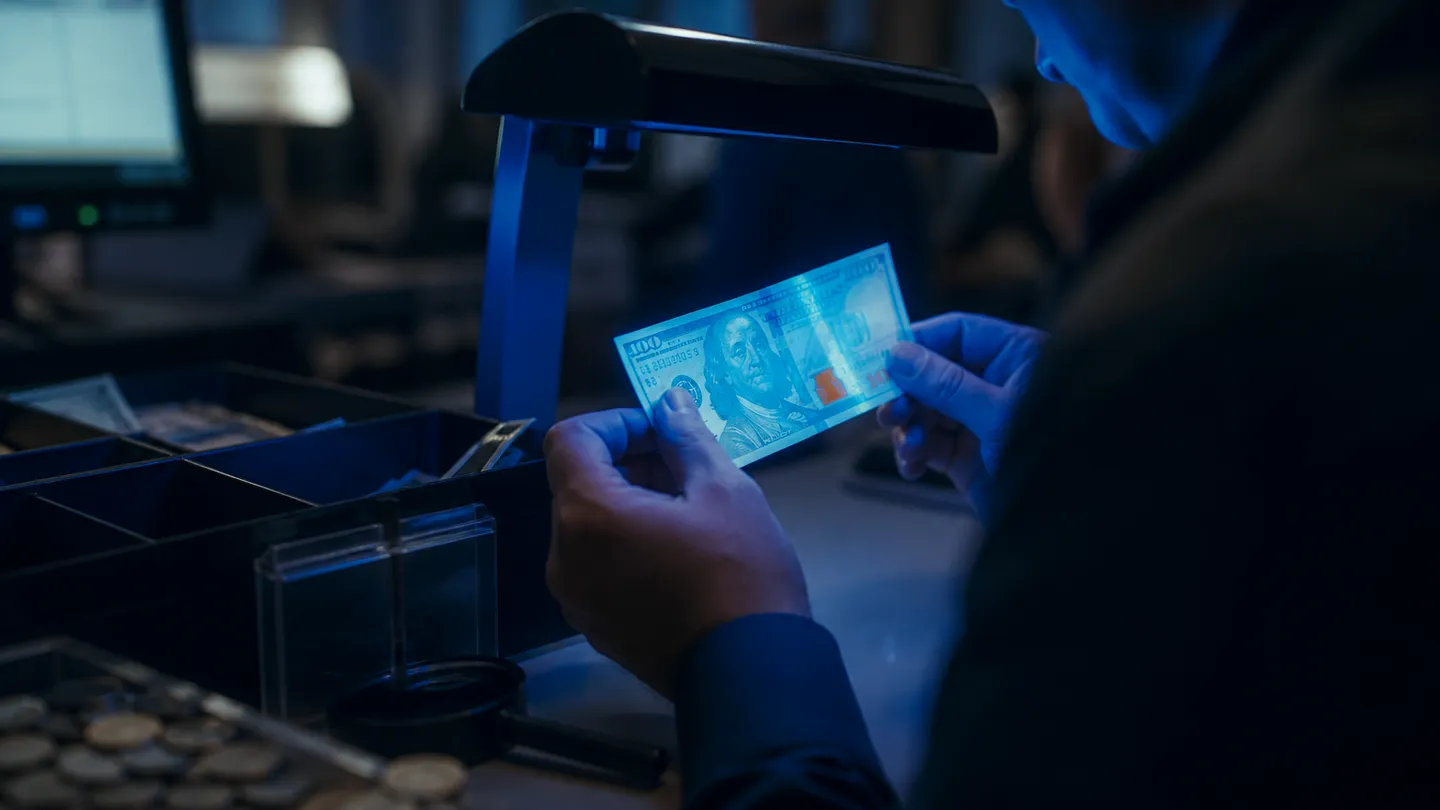
Fake counterfeit money is any forged or altered currency made to resemble genuine cash; prop notes labelled "Replica" or "For Motion Picture Use Only" are also fake and cannot be spent as real money[1]. If we suspect a note, we should keep it separate, avoid passing it on, and notify local police promptly[2].
What Does “Fake Counterfeit Money” Mean?
Counterfeit money refers to any unauthorised imitation of genuine currency that is created or altered with the intent to deceive and be accepted as real. This includes various forms of currency, such as Federal Reserve notes and Treasury notes, which are classified under U.S. law as obligations of the United States[3]. The term "fake counterfeit money" is somewhat redundant, as the word "counterfeit" already implies a lack of authenticity. However, it is a common search phrase that reflects the public's concern about encountering such currency.
In addition to counterfeit money, the term "fake money" can also refer to legal prop money or novelty banknotes. These are often used in films or for training purposes and are distinctly marked to ensure they cannot be mistaken for real currency. For instance, notes labelled "For Motion Picture Use Only" or "Replica" are considered fake and cannot be used for transactions[1].
To distinguish between different types of notes, consider the following examples. A counterfeit banknote is designed to mimic a genuine note closely; for example, a fake $100 bill might replicate features like the security thread and watermark but will ultimately fail to pass stringent authenticity tests. On the other hand, a damaged genuine note might still retain its validity, even if it is torn or faded. In contrast, an obviously fictional bill, such as one depicting a fictional character or event, is immediately recognised as non-legal tender.
When handling currency, it is essential to be informed about the characteristics of genuine notes, such as the raised printing, colour-shifting ink, and embedded security features like the 3-D security ribbon[4]. Understanding these distinctions can help us avoid inadvertently accepting counterfeit money, which is illegal and can lead to severe penalties under U.S. law, including fines and imprisonment[5][6].
Counterfeit Money vs. Prop Money and Novelty Currency
Understanding the differences between counterfeit money, prop money, and novelty currency is crucial for anyone handling cash. Below is a concise comparison of these types of currency, focusing on their purpose, appearance, legal status, and potential for misuse.
| Type of Currency | Purpose | Appearance | Legal Status | Risk of Misuse |
|---|---|---|---|---|
| Counterfeit Money | To deceive and defraud | Mimics genuine currency closely | Illegal under 18 U.S.C. § 471 and § 472 | High; attempting to pass can result in severe penalties[5][6] |
| Prop Money | For films, training, or display | Clearly marked (e.g., "For Motion Picture Use Only") | Legal to own in most jurisdictions if marked correctly | Moderate; can be misused if passed as real currency[1] |
| Novelty Currency | For gifts or entertainment | Often features fictional characters or events | Legal, but not accepted as currency | Low; usually obvious as fake |
| Genuine Currency | Legal tender for transactions | Contains security features like watermarks and security threads | Legal tender as defined by U.S. law | None; always valid for use |
Owning prop money is generally lawful, provided it is clearly marked and not intended for deceptive use. However, attempting to pass it as genuine currency is a crime, punishable by fines and imprisonment[5][6]. Markings such as "For Motion Picture Use Only" do not exempt individuals from legal consequences if they attempt to use these notes fraudulently[1].
It is important to recognise that while prop money may have a legitimate purpose, we should always handle it responsibly to avoid legal troubles. Understanding these distinctions helps us navigate situations involving currency safely and legally.
Why Counterfeit Cash Is Risky
Counterfeit cash poses significant financial risks to individuals and businesses alike. When a person unknowingly accepts a counterfeit note, they bear the loss because such currency cannot be redeemed for genuine money. The U.S. Federal Reserve states that counterfeit currency holds no redeemable value, meaning once it is accepted, the individual cannot recover their funds[2]. This situation can lead to direct financial losses, particularly for small businesses that may not have the resources to absorb such losses.
The broader implications of counterfeit currency extend beyond personal financial loss. When counterfeit notes circulate, they undermine trust in the currency system. Businesses that handle cash, such as retailers and restaurants, may find themselves facing increased scrutiny and operational challenges as they implement additional measures to detect counterfeit notes. This can lead to longer transaction times and a strained relationship between customers and businesses, as customers may be concerned about receiving counterfeit notes in their change.
It's essential to differentiate between unknowingly receiving a counterfeit note and knowingly possessing or passing one. Accepting counterfeit currency without realising it is typically viewed as unintentional, but knowingly passing such notes is illegal and subject to severe penalties under U.S. law, including fines and imprisonment of up to 20 years[5][6]. This distinction is crucial; individuals caught knowingly distributing counterfeit notes may face criminal charges, significantly affecting their lives and reputations.
To mitigate risks, we should remain vigilant when handling cash. Familiarising ourselves with the security features of genuine currency, such as the security thread and watermark, can help us quickly identify potential counterfeits. If we suspect a note is counterfeit, the best course of action is to keep it separate from genuine cash, avoid passing it on, and report it to local authorities promptly[2]. By being proactive, we can help protect ourselves and others from the financial repercussions associated with counterfeit cash.
How to Identify Counterfeit Money
Identifying counterfeit money requires a careful inspection process. We recommend starting by comparing the suspect note with a known genuine bill. This comparison is crucial as it allows us to notice discrepancies in design and features. Once we have a genuine note for comparison, we should examine the suspect note using several methods: feel, look, hold it to the light, and tilt it.
First, let's consider the tactile features. Genuine U.S. currency has a distinctive rough texture due to raised intaglio printing, which is absent in many counterfeits[4]. Next, looking closely at the note can reveal important details. For instance, the security thread embedded in the note should be present and visible when held up to the light. This thread is a key security feature; for example, on the $100 note, it reads "USA 100" and glows pink under ultraviolet light[4]. Additionally, the watermark, which features a portrait of Benjamin Franklin, should be visible from both sides of the bill.
When tilting the note, we should also observe colour-shifting ink, especially on denominations like the $20, $50, and $100 bills, where the numeral changes colour from copper to green[2]. The $100 note also includes a unique 3-D security ribbon, which is woven into the paper and displays images that shift as we move the note[4].
It is essential to understand that no single feature can definitively prove the authenticity of a note. Counterfeiters are becoming increasingly sophisticated, often replicating multiple security features. Therefore, it’s vital to use a combination of inspection techniques and to refer to official central-bank denomination guides for details specific to each note. The U.S. Currency Education Program provides these guides, which can help us stay informed about the latest security features and designs[7].
In summary, a thorough inspection process is key to identifying counterfeit money. We should always compare notes, feel for texture, look for security features, and use light to reveal hidden elements. By familiarising ourselves with these characteristics, we can significantly reduce the risk of accepting counterfeit currency.
Counterfeit-Detection Myths and Unreliable Tests
Counterfeit detection can be misleading, with several common myths that can lead to false security. One prevalent belief is that counterfeit-detection pens are infallible. However, the Federal Reserve warns that these pens are not always accurate and can produce false results. They may react positively to genuine currency paper, which can mislead us into thinking a note is authentic when it is not[2].
Another misconception is that an unusual texture alone can indicate a fake note. Genuine U.S. currency is made from a unique blend of 75 percent cotton and 25 percent linen, giving it a specific feel[4]. While texture is an essential factor, it should not be the sole basis for determining authenticity. Counterfeiters are increasingly sophisticated and can replicate textures, making it crucial to examine multiple security features.
It is also a mistake to assume that a bill passing one security check is genuine. Counterfeiters often use techniques like bleaching lower-denomination bills and reprinting them as higher denominations. For instance, a genuine $1 bill can be altered to resemble a counterfeit $100 bill, which would still pass a pen test designed for genuine currency[8]. This highlights the importance of thorough verification beyond just one or two checks.
To clarify these myths, we can refer to the following table that contrasts common beliefs with factual information:
| Myth | Fact |
|---|---|
| Counterfeit-detection pens are always reliable | Pens can yield false positives; they should not be the only method of verification[2]. |
| Unusual texture indicates a fake note | Genuine currency has a specific feel, but counterfeiters can replicate this texture[4]. |
| Passing one security check ensures authenticity | A note can still be counterfeit even if it passes one test; multiple checks are necessary. |
We recommend checking several denomination-specific security features instead. For example, to authenticate a $100 note, we should look for the security thread that reads "USA 100," a 3-D security ribbon, and a watermark of Benjamin Franklin visible from both sides[4]. By familiarising ourselves with these features, we can significantly enhance our ability to detect counterfeit notes effectively.
What to Do If You Receive a Suspected Counterfeit Note
If you suspect that you have received a counterfeit note, it is crucial to act quickly and carefully. We recommend following this checklist to ensure your safety and compliance with the law:
Do Not Spend the Note: Attempting to use a counterfeit note is illegal and can lead to serious penalties under U.S. law, including fines and imprisonment of up to 20 years[5][6].
Handle It as Little as Possible: Minimise your contact with the note to avoid contaminating potential evidence. Keep it separate from genuine currency.
Record Details: Make a note of where and when you received the suspected counterfeit note. If possible, observe and document the appearance of the person who passed it to you and any vehicle information.
Contact Local Authorities: Notify your local police department about the suspected counterfeit note. In the United States, the U.S. Secret Service is the federal agency responsible for investigating counterfeit currency. They recommend promptly surrendering the note to law enforcement[2].
Follow Official Reporting Guidance: For individuals, it is advised to contact a local Secret Service field office directly. Financial institutions and businesses can use Secret Service Form 1604 for reporting[9].
Do Not Confront or Detain Anyone: If you suspect a person is passing counterfeit money, do not confront or attempt to detain them. This can pose safety risks and complicate legal matters.
It is important to note that reporting procedures can vary by country. Always check local regulations and guidelines to ensure you are following the correct process. By taking these steps, we can help protect ourselves and others from the risks associated with counterfeit currency.
Can You Go to Jail for Counterfeit Money?
Criminal liability concerning counterfeit money often hinges on conduct, knowledge, and intent. Simply discovering a suspicious bill is different from knowingly creating or passing counterfeit currency. In the United States, federal statutes clearly outline the penalties for such actions. Under 18 U.S.C. § 471, making, forging, counterfeiting, or altering a U.S. obligation with the intent to defraud can result in a fine or imprisonment for up to 20 years, or both[5]. Similarly, 18 U.S.C. § 472 addresses knowingly passing or attempting to sell counterfeit obligations, also carrying a potential penalty of up to 20 years in prison[6].
To provide a clearer context, "U.S. obligations" include various forms of currency, such as Federal Reserve notes and Treasury notes, as defined under 18 U.S.C. § 8[3]. It is important to understand that the actual outcomes of such charges depend significantly on the specific circumstances, the nature of the charge, and the jurisdiction in which the offense occurs.
Individuals often mistakenly believe that merely possessing a counterfeit note will lead to severe penalties. However, the law differentiates between unintentional possession and intentional distribution. For instance, if someone unknowingly receives a counterfeit bill, they typically do not face criminal charges unless they attempt to pass it on, which is illegal and can lead to severe repercussions[2].
If we find ourselves in a situation where we suspect a note is counterfeit, the best course of action is to avoid passing it and to report it to local authorities promptly. The U.S. Secret Service provides guidance on how to report counterfeit notes, emphasising the importance of separating the suspect note from genuine currency and documenting any relevant details about the transaction[2]. By understanding these legal frameworks, we can navigate situations involving counterfeit money more safely and responsibly.
A Quick Authenticity and Response Checklist
When it comes to handling potential counterfeit currency, a methodical approach can greatly enhance our safety and compliance. We should begin by verifying multiple security features appropriate to the denomination of the note. For instance, when examining a current-design $100 bill, we can look for specific features such as a security thread that reads "USA 100," a 3-D security ribbon, and a watermark of Benjamin Franklin visible from both sides. These features are essential for distinguishing genuine notes from counterfeits[4]. Remember that the Federal Reserve advises relying on denomination-specific features rather than solely on counterfeit-detection pens, which can yield misleading results[2].
Once we have assessed the note, our next step is crucial. If we suspect that a note is counterfeit, we should isolate it and report it immediately instead of attempting to recirculate it. This is important not only for our own protection but also to prevent others from unknowingly accepting counterfeit currency. In the United States, we are encouraged to notify local police and provide them with detailed information about the transaction and the appearance of the individual who passed the note[2]. Keeping the suspect note separate from genuine cash is a vital step to avoid blending it with our legitimate currency.
To further clarify our approach, here’s a simple decision path:
Genuine-looking prop money or novelty banknotes: These are usually marked with labels such as “For Motion Picture Use Only” or “Replica,” indicating they are not legal tender[1]. We should not attempt to use these as currency.
Suspicious or inconclusive notes: If a note does not clearly meet the criteria of authenticity but seems plausible, we should treat it as potentially counterfeit. Isolate the note, refrain from using it, and report it to the authorities.
Ultimately, only authorized institutions or investigators can provide a definitive assessment of a note's authenticity. By following this checklist, we can help protect ourselves and contribute to the broader effort of combatting counterfeit currency in circulation.
Comparison of Counterfeit, Prop, Novelty, and Genuine Money
| Type | Feel | Look | Light | Tilt |
|---|---|---|---|---|
| Counterfeit | Varies, often smooth | Similar to genuine | May lack hidden features | May appear normal |
| Prop Money | Smooth, often plastic | Clearly marked, e.g. 'For Motion Picture Use Only' | No hidden features | May not tilt correctly |
| Novelty Money | Varies, often smooth | Distinctive designs, not legal tender | No hidden features | May not tilt correctly |
| Genuine Money | Rough texture, cotton-linen blend | Specific designs, security features | Shows hidden elements under UV light | Tilt reveals security features |
Common Mistakes and Misconceptions
Myths create risk. Before treating suspicious cash as harmless, we should check:
- whether it is genuine currency, a compliant reproduction, or merely currency-like paper;
- whether its security features match the correct design and denomination;
- whether our next action could amount to knowingly circulating a suspected counterfeit.
"Prop money" is always lawful
A prop label does not settle the issue. Federal rules permit colour reproductions of U.S. currency only under specific conditions, including being one-sided and outside defined size limits, with image-making files and media erased or destroyed after final use[10]. We should distinguish lawful production or display from attempting to use any imitation as payment.
A "Replica" label makes a note safe to spend
Printed disclaimers do not create spending value. The U.S. Currency Education Program warns that notes marked "For Motion Picture Use Only" or "Replica" may be fake, and those words do not make them acceptable as genuine currency[1]. We should keep such items away from tills, wallets, and cash drawers where they might be mistaken for real money.
An unfamiliar old note must be counterfeit
Older designs often look suspicious simply because we see them less frequently. All designs of U.S. currency remain legal tender regardless of their issue date, so an old-style bill is not fake merely because it lacks newer security features[7]. We should compare the note with official guidance for its particular design rather than expecting every bill to have current-design elements.
A bank will replace counterfeit cash
Counterfeit notes have no redemption value. Someone who accepts one generally bears the loss because counterfeit currency cannot be exchanged for genuine money[2]. If we discover a suspicious note after a transaction in Seattle, we should separate it from other cash, avoid spending it, record relevant details, and contact local police promptly[2].
Accidental receipt and deliberate circulation are the same offence
The law distinguishes an innocent mistake from knowing conduct. Federal liability under 18 U.S.C. § 472 concerns knowingly possessing, concealing, selling, importing, or attempting to pass counterfeit U.S. obligations with intent to defraud[6]. Once we suspect a note is counterfeit, trying to recover the loss by spending it shifts the situation towards deliberate circulation rather than accidental receipt.
Conclusions
Stay cautious.
- Check several security features for the note’s denomination and design; a detection pen alone can give misleading results[2].
- Treat prop, replica, and novelty notes as non-spendable, regardless of how realistic they appear or what disclaimer they carry[1].
- Do not reject an older design solely because it lacks newer features; every U.S. currency design remains legal tender[7].
- When doubts remain, set the bill aside, note the transaction details, and contact Seattle police or a local U.S. Secret Service field office[2].
- Never try to recover a loss by knowingly paying with suspicious cash, as intentional circulation can carry federal criminal liability[6].
Next, use our Fake US Dollars: How to Spot Them guide to compare denomination-specific warning signs.
Links and references
- 1. Teller Toolkit | U.S. Currency Education Program
- 2. How do I determine if a banknote is genuine? What should I do if I think I have a counterfeit note? | Federal Reserve Board
- 3. 18 USC 8: Obligation or other security of the United States defined
- 4. $100 Note | U.S. Currency Education Program
- 5. 18 USC Chapter 25: Counterfeiting and Forgery
- 6. 18 USC 472: Uttering counterfeit obligations or securities
- 7. The Seven Denominations | U.S. Currency Education Program
- 8. New Orleans Woman Guilty of Conspiracy to Make & Pass Counterfeit $100 Bills | U.S. Department of Justice
- 9. Report a Counterfeit | U.S. Currency Education Program
- 10. Currency Image Use | Bureau of Engraving and Printing