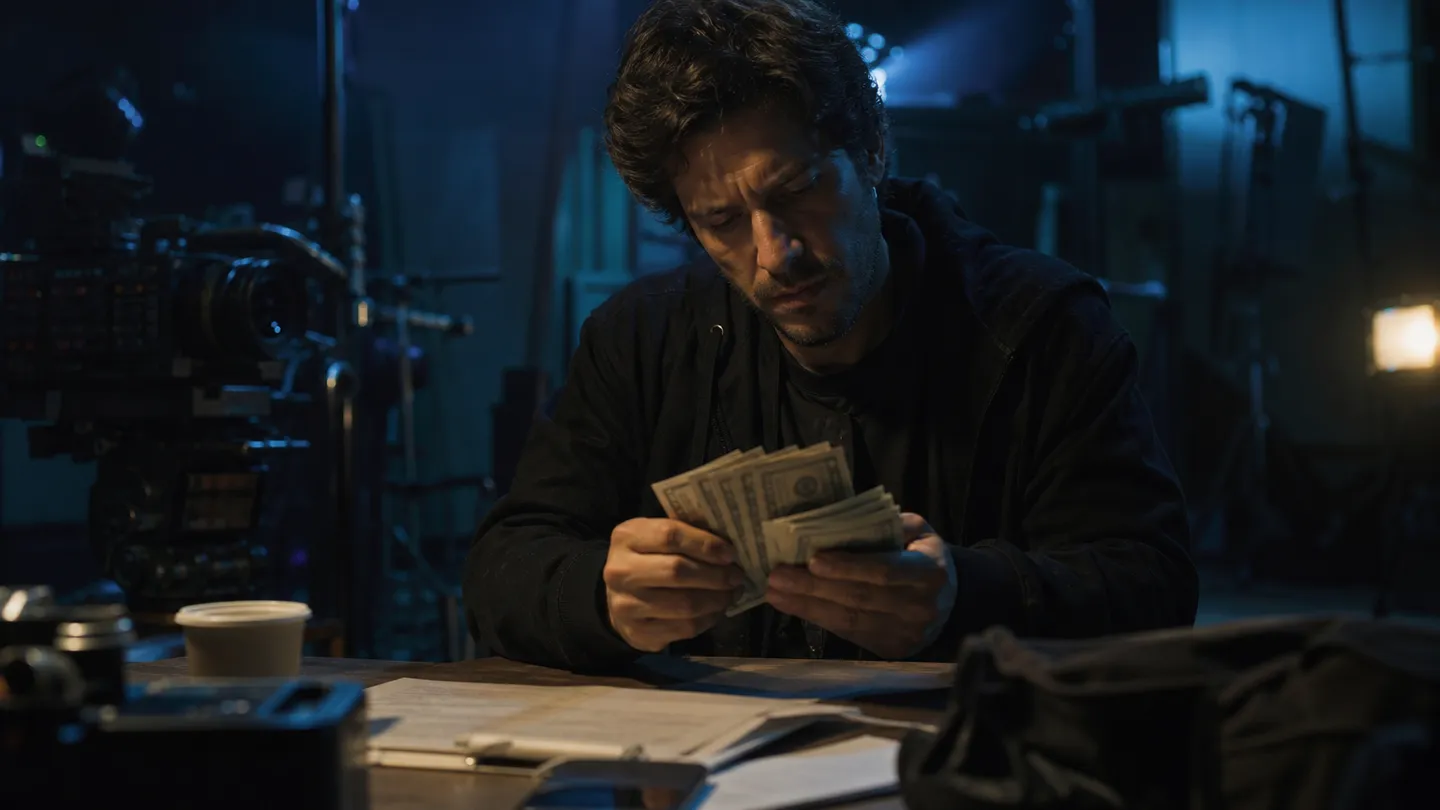
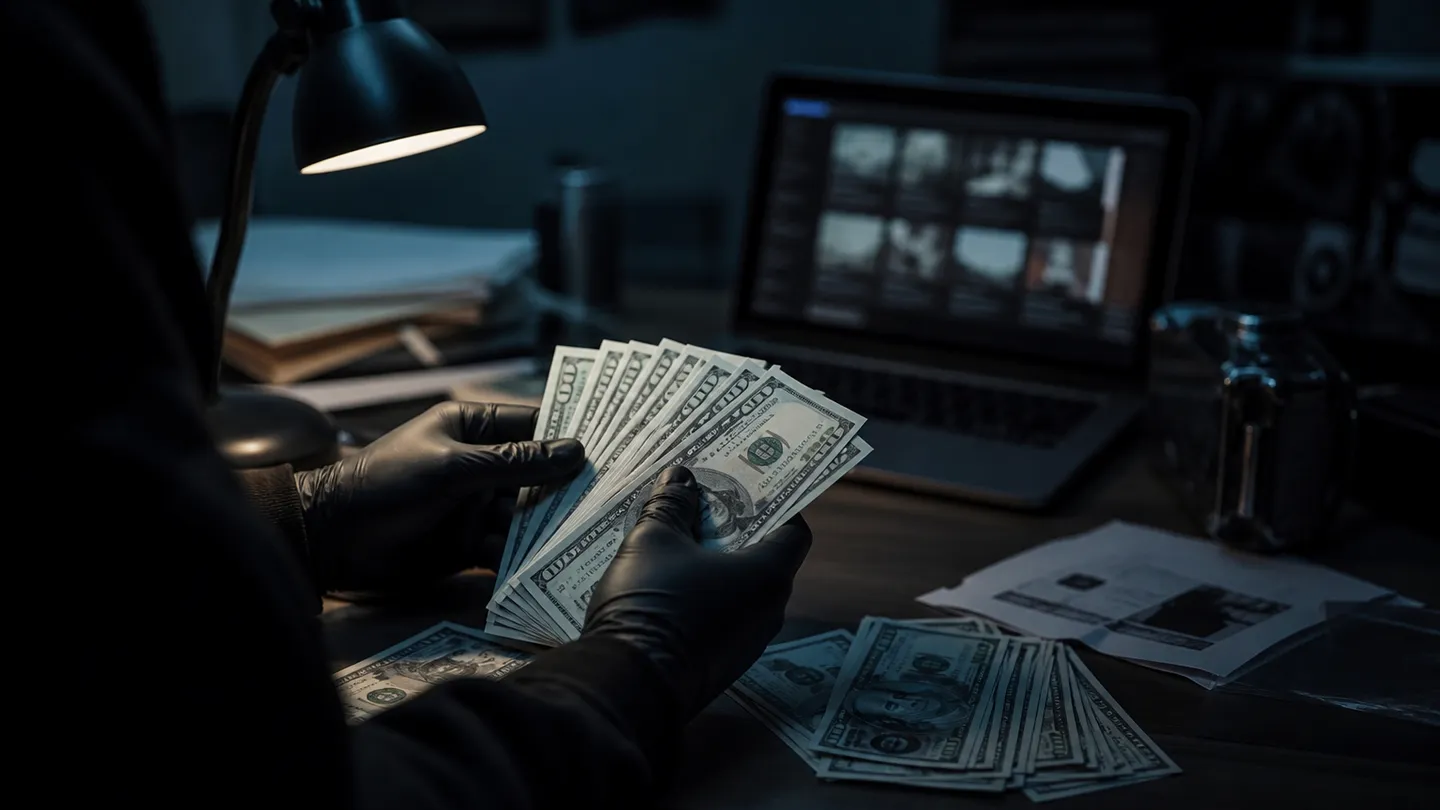
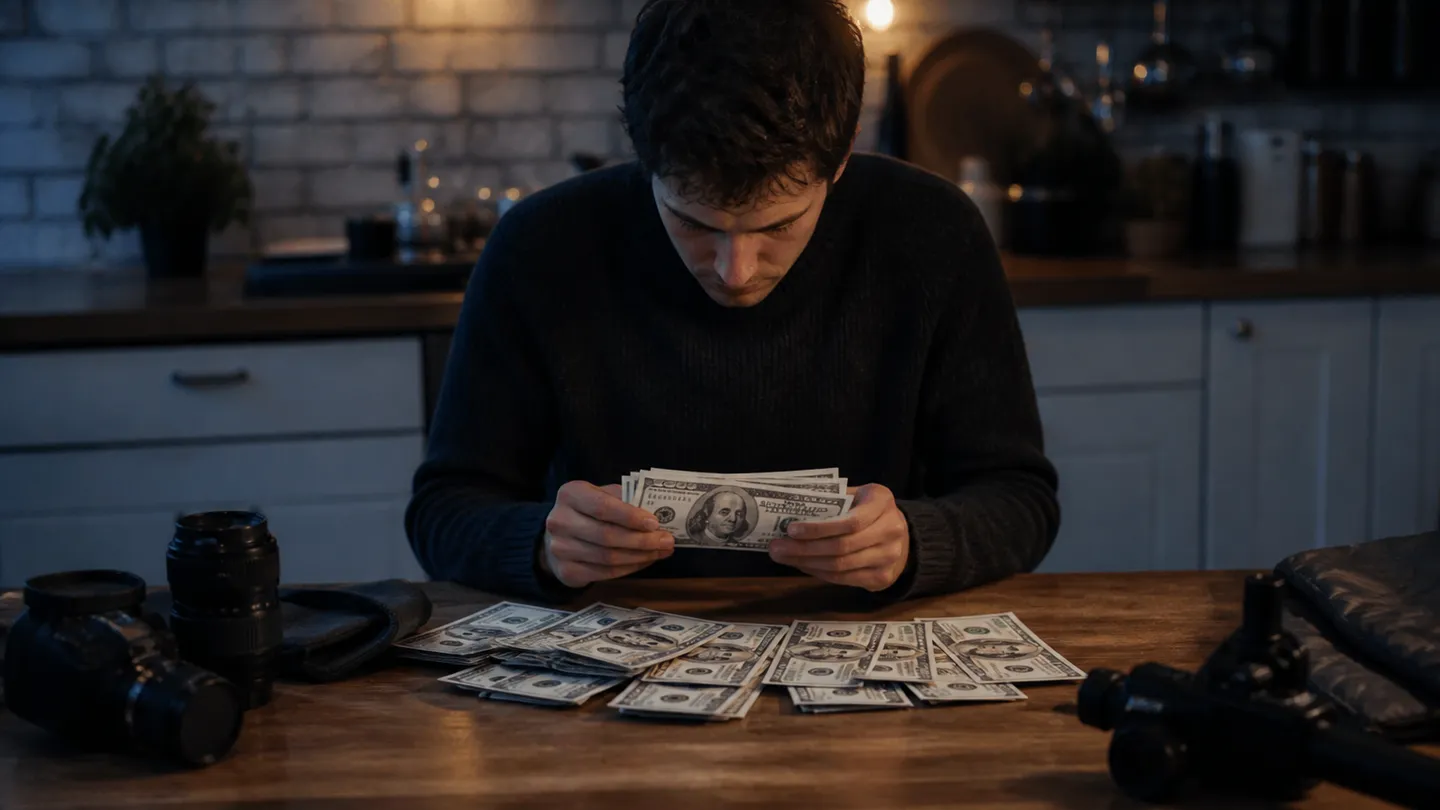
Buy only clearly legal prop money, not counterfeit notes. For U.S. currency, we recommend listings showing the actual item and permanent "COPY" markings; colour reproductions should be one-sided and either under 75% or over 150% of genuine-note dimensions.[1][2][3] Avoid products designed to pass as cash, as fraudulent possession or sale can bring imprisonment of up to 20 years.[4]
Best Realistic Prop Money for Sale by Use Case
Best Realistic Prop Money for Sale by Use Case
When selecting realistic prop money for various production needs, it's essential to consider how the money will be used. Below is a comparison of prop money options based on different use cases, including close-up filming, background stacks, music videos, photography, theatre, and low-budget bulk scenes.
| Use Case | Denomination | Bill Count | Print Style | Required Prop Markings | Listed Price | Cost per Bill | Shipping Region | Price-Check Date |
|---|---|---|---|---|---|---|---|---|
| Close-up Filming | $100 | 50 | Full-print | "COPY" | $49.99 | $1.00 | USA | October 2023 |
| Background Stacks | $20 | 100 | One-sided | "COPY" | $39.99 | $0.40 | USA | October 2023 |
| Music Videos | $50 | 75 | Full-print | "COPY" | $59.99 | $0.80 | USA | October 2023 |
| Photography | $10 | 200 | Two-sided | "COPY" | $69.99 | $0.35 | USA | October 2023 |
| Theatre | $5 | 150 | Aged prop money | "COPY" | $29.99 | $0.20 | USA | October 2023 |
| Low-budget Bulk Scenes | $1 | 500 | One-sided | "COPY" | $49.99 | $0.10 | USA | October 2023 |
For close-up filming, we recommend full-print prop bills, which replicate the details of genuine currency effectively. However, they must be marked "COPY" to comply with regulations. Background stacks can utilise one-sided bills that are less expensive and still visually appealing. In music videos, the use of full-print currency can enhance the production value, while for photography, two-sided options provide versatility in shots.
Theatre productions often benefit from aged prop money, which adds authenticity to period pieces. For low-budget bulk scenes, one-sided prop money is the most economical choice, allowing for the creation of large stacks without significant expense.
Before making a purchase, ensure that the prop money adheres to the legal requirements outlined in regulations such as 18 U.S.C. § 504 and 31 CFR § 411.1, which mandate that reproductions must be marked appropriately and meet specified size restrictions to avoid any issues with counterfeit laws.
How to Choose Prop Money That Looks Real on Camera
When selecting prop money for visual productions, understanding how various factors affect its appearance on camera is crucial. The distance from the camera, resolution, lighting, focus, movement, and whether both sides of the bill are visible significantly influence the required detail level. For instance, macro close-ups demand higher detail, whereas medium shots can rely on less intricate designs.
Detail Requirements
- Camera Distance: For close-up shots, such as macro filming, the prop money must be highly detailed, replicating features like microprinting and security threads found in genuine currency[5]. In contrast, for medium shots, simpler designs may suffice.
- Resolution and Lighting: High-resolution cameras paired with adequate lighting can reveal imperfections on bills. Therefore, using aged prop money may create a more authentic look in certain settings, especially when portraying historical scenes.
- Focus and Movement: If the camera is moving, the prop money should still appear realistic from various angles. This necessitates a balance between detail and practical usability; for example, full-print bills may be more effective than blank-back designs[6].
Prop Money Options
Let's compare different types of prop money based on visual needs:
- Full-print Bills: These are ideal for close-up shots due to their intricate detailing. They must be marked "COPY" and can be used in various filming scenarios.
- Blank-back Bills: These are less expensive and suitable for background scenes where the back is unlikely to be seen. They can work well in environments where depth of field blurs the bills.
- Aged vs. New Designs: Aged prop money can enhance authenticity, especially in period pieces, while new designs may be better for contemporary settings. The choice depends on the narrative context.
- Loose Bills vs. Banded Stacks: Loose bills are versatile for close-ups, while banded stacks provide a more polished appearance in background scenes. Consider the shot composition when deciding between the two.
- Readable Legal Markings: While some productions may require visible legal markings for authenticity, these should comply with regulations to avoid legal issues[1][2].
For macro close-ups, we recommend full-print bills that replicate the fine details of genuine currency. In medium shots, one-sided bills can still create a convincing appearance. For background scenes, aged prop money may add depth and authenticity to the overall production. Always ensure compliance with legal standards when choosing prop money to avoid any complications related to counterfeit laws.
Realistic Prop Money Options Compared
When it comes to selecting realistic prop money, there are various options available from specialist suppliers and major online marketplaces. These products vary in terms of denominations, design, and pricing, making it essential to compare them based on your specific production needs.
Comparing Options
In the marketplace, you can find bundles of prop money that cater to different requirements. For example, a popular option is a stack of 100 bills, which typically costs around $13.99, normalising to approximately $13.99 per 100 bills. Another option is a bundle containing 300 bills, often priced at $39.99, resulting in a cost of about $13.33 per 100 bills.
Common denominations for prop money include $20, $50, and $100 designs. Here’s a breakdown of some representative products:
| Denomination | Bill Count | Print Style | Listed Price | Cost per 100 Bills |
|---|---|---|---|---|
| $20 | 100 | One-sided | $13.99 | $13.99 |
| $50 | 300 | Full-print | $39.99 | $13.33 |
| $100 | 100 | Full-print | $29.99 | $29.99 |
Important Considerations
When purchasing prop money, ensure the products comply with legal regulations. Under 31 CFR § 411.1, prop money must be one-sided and either less than 75% or more than 150% of the genuine note's dimensions[1]. Additionally, it should be marked with "COPY" if printed in colour. This is crucial to avoid any legal issues related to counterfeit currency, which can lead to severe penalties under 18 U.S.C. § 472[4].
Marketplace platforms like Amazon and eBay have specific guidelines for selling prop money. For instance, Amazon requires that the prop money is clearly labelled and follows the size restrictions[2], while eBay mandates that it be marked as "Replica" in both the title and description[7].
Before making a purchase, we recommend verifying the seller's contact information, inspecting product photos, and understanding the return policies to ensure a smooth transaction[3]. By comparing different options and adhering to legal requirements, we can ensure that the prop money we select enhances our productions without running afoul of the law.
Specialist Prop Stores vs Amazon, eBay, and Local Sellers
Specialist Prop Stores vs Amazon, eBay, and Local Sellers
When comparing the availability of realistic fake money, specialist prop stores stand out against major online platforms like Amazon and eBay, as well as local sellers. Each option has its advantages and disadvantages regarding selection, transparency, delivery speed, return policies, production consistency, and the risk of misleading products.
Specialist prop stores typically offer a curated selection of prop money designed specifically for visual productions. They often provide detailed information about compliance with legal standards, ensuring that the products are marked appropriately and adhere to regulations like 31 CFR § 411.1, which requires that reproductions be one-sided and either less than 75% or more than 150% of the original dimensions[1]. This focus on compliance reduces the risk of obtaining misleading or noncompliant products, which can lead to severe legal consequences under laws such as 18 U.S.C. § 472[4].
In contrast, platforms like Amazon and eBay host a wide variety of sellers, which can lead to a mixed bag of product quality and compliance. For example, Amazon's policy mandates that prop money must be marked "COPY" and comply with size restrictions, while eBay requires it to be labelled as "Replica" in both title and description[2][7]. However, the sheer volume of listings may make it challenging to find consistently reliable options. Buyers should proceed with caution and closely inspect product listings to ensure they meet the necessary legal requirements.
Delivery speed can vary significantly between these options. Specialist prop stores may offer faster shipping due to their focus on niche products, while online marketplaces can provide a range of shipping options depending on the seller's location. Local sellers may offer the quickest access, but their selection might be limited.
Return policies also differ. Many specialist prop stores offer clear return guidelines, which can provide peace of mind if the product does not meet expectations. In contrast, return policies on platforms like Amazon and eBay depend on individual sellers, leading to potential complications if the item is noncompliant or not as described[3].
Ultimately, while specialist prop stores provide a more reliable and compliant option for realistic fake money, Amazon, eBay, and local sellers can offer convenience and variety. We advise checking the specifications meticulously and ensuring compliance with legal standards to avoid any issues with counterfeit laws. For those seeking realistic fake money, understanding the strengths and weaknesses of each source is crucial in making an informed choice.
Legal Requirements and Safe Use of Realistic Prop Money
Understanding the legal landscape surrounding realistic prop money is essential for filmmakers and content creators. Firstly, it is crucial to distinguish legal prop money from counterfeit currency. Under 18 U.S.C. § 504, it is permissible to create motion-picture films or slides portraying U.S. currency for screen use, but physical reproductions must adhere to specific guidelines[6]. This includes ensuring that prop money is marked clearly to avoid confusion with genuine currency.
To comply with regulations, prop money should prominently display fictional or prop markings and must never be attempted to be spent. For instance, one-sided prop money must be less than 75% or more than 150% of the original note's dimensions, as mandated by 31 CFR § 411.1[1]. Buyers must also ensure that all production files containing images of currency are destroyed after their final use to avoid potential legal issues.
When using prop money on set, it is vital to keep it controlled and secure. This means limiting access to the prop money and ensuring that it is only used for its intended purpose in production. Additionally, creators working outside the United States should verify local laws regarding the use of prop money, as regulations may vary significantly.
Buyers should be cautious not to rely on a single marking as a universal legal guarantee. For example, terms like "Movie," "Prop," or "Training" do not inherently legalise a reproduction that fails to meet established criteria, as stated by the Bank of England[8]. This underscores the importance of thorough research and compliance with relevant laws to avoid severe penalties, which can include fines or imprisonment for violations related to counterfeit currency under 18 U.S.C. § 472[4].
By adhering to these guidelines, we can safely incorporate realistic prop money into our productions while respecting legal requirements and avoiding complications.
Myths About Prop Money That Looks Real
There are several prevalent myths surrounding prop money that filmmakers and content creators should be aware of. One common misconception is that "full print means illegal." In reality, prop money can be printed in full, but it must comply with specific regulations. According to 31 CFR § 411.1, any colour illustration of U.S. currency must be one-sided and either less than 75% or more than 150% of the genuine note's dimensions[1]. This means that full-print prop bills can be legal if they adhere to these size restrictions.
Another myth is that a "Motion Picture Use Only" label automatically makes any replica legal. While 18 U.S.C. § 504 allows for the creation of motion-picture films depicting currency, this does not exempt physical reproductions from the necessary legal guidelines[6]. Even with this label, creators must ensure their prop money complies with the dimensions and marking requirements to avoid legal issues.
The belief that "prop bills are safe to carry anywhere" is also misleading. While prop money can be used for visual productions, it should never be attempted to be spent as real currency. Under 18 U.S.C. § 472, passing or possessing counterfeit obligations with the intent to defraud is a serious offense punishable by significant fines or imprisonment[4]. Filmmakers must exercise caution and ensure that prop money is used strictly for its intended purpose.
To help clarify these misconceptions, here are some key points:
- Legal Compliance: Prop money must meet specific size and marking requirements to be legal.
- Misleading Labels: A "Motion Picture Use Only" label does not exempt prop money from legal standards.
- Usage Restrictions: Prop money should never be used as real currency and must be treated with care on set.
By understanding the legal landscape and separating visual realism from compliance, we can effectively use prop money in our productions while avoiding potential legal pitfalls.
Buyer Checklist Before You Order
When preparing to purchase realistic fake money for your production, it's important to have a comprehensive checklist to ensure you get the right product for your needs. Below is a printable checklist covering essential factors to consider:
Checklist Items
- Intended Shot Distance: Determine how close the camera will be to the prop money. This affects the level of detail required.
- Denomination: Decide which bill denominations you need for your scenes (e.g., $20, $50, $100).
- Quantity: Calculate the total number of bills needed based on the number of visible stacks and bills per stack. For example, if you need 5 visible stacks with 20 bills each, you will need 100 bills.
- Dimensions: Ensure the prop money adheres to legal size regulations, which require it to be one-sided and either less than 75% or more than 150% of the original note's dimensions[1].
- Print Style: Choose between one-sided and two-sided printing. One-sided prop money is typically more compliant with legal standards.
- Legal Markings: Confirm that the prop money is marked appropriately, such as "COPY" or "Replica," to avoid confusion with real currency[2][7].
- Paper Appearance: Consider the texture and weight of the paper. Genuine Federal Reserve notes consist of 75% cotton and 25% linen, weighing about one gram per bill[9].
- Edge Quality: Inspect the edges of the bills to ensure they are clean and not frayed, which can detract from realism.
- Bundle Bands: Check if the prop money comes with bundle bands, which can enhance the visual authenticity of stacks.
- Delivery Deadline: Set a timeline for when you need the prop money to ensure it arrives in time for your production.
- Returns: Understand the return policies of the seller in case the product does not meet your expectations.
- Jurisdiction: Be aware of local laws regarding the use of prop money, as regulations may vary from state to state.
Simple Quantity Calculation
To calculate the quantity of prop money needed, use the following formula:
- Total Bills Needed = Number of Visible Stacks × Bills per Stack
For example, if you plan to have 4 stacks of 25 bills each, you will need 100 bills in total.
Final Inspection
Before and after the shoot, we recommend inspecting and inventorying your props. This ensures that everything is accounted for and in good condition, helping to prevent any last-minute issues during production. By following this checklist, we can confidently select the right prop money while adhering to legal requirements and enhancing the visual quality of our projects.
Frequently Asked Questions About Realistic Fake Money
When it comes to purchasing realistic fake money, several common questions arise. Understanding the answers can help filmmakers and content creators make informed decisions.
Where Can I Buy Realistic Fake Money Online?
Realistic fake money is widely available online, with options ranging from specialist prop stores to platforms like Amazon and eBay. When shopping on these marketplaces, it's vital to verify that the listings comply with legal standards. For instance, Amazon requires prop money to be marked "COPY" and adhere to specific size restrictions, while eBay mandates that it be labelled "Replica" in both the title and description[2][7]. This ensures that you are purchasing compliant products suitable for your production needs.
Is Cheap Prop Money Available?
Yes, affordable options for prop money exist, but caution is advised. While price is an important factor, it should not compromise quality or legality. Low-cost listings may not always comply with the necessary regulations, which can lead to complications. It's best to balance cost with compliance, ensuring that any prop money purchased meets the legal requirements.
Can I Find Local Sellers?
Local sellers may offer quick access to realistic fake money. However, their selection may be limited compared to online options. If you prefer to shop locally, check theatre supply stores or specialty shops that cater to filmmakers. Always ensure that the products comply with legal standards during your purchase.
Is Close-Up Use Suitable for These Products?
When using prop money for close-up shots, the level of detail is crucial. High-quality prop money designed for close-ups must replicate features such as microprinting and security threads. For instance, the current $100 note includes microprinting and an embedded security thread that glows under UV light[5]. Ensure that the prop money you choose is visually convincing for the intended shot distance.
What Should I Avoid When Purchasing Prop Money?
Avoid purchasing unmarked or spendable-looking currency. It is illegal to use fake money that can be confused with real currency, and violations can lead to severe penalties, including fines and imprisonment under 18 U.S.C. § 472[4]. Always check product details and local laws before ordering to ensure compliance with regulations.
By considering these factors, we can navigate the landscape of realistic fake money confidently and safely, ensuring our productions remain legal and visually compelling.
Comparison of Realistic Fake Money for Sale
| Camera Distance | Print Detail | Markings | Quantity (per 100 bills) | Expected Cost (per 100 bills) |
|---|---|---|---|---|
| Close-up (1-3 ft) | High detail, microprinting | Marked 'COPY' or 'Replica' | 100 bills | $50 - $150 depending on quality |
| Medium (3-6 ft) | Moderate detail | Marked 'COPY' or 'Replica' | 100 bills | $30 - $100 depending on quality |
| Distant (6+ ft) | Basic detail | Marked 'COPY' or 'Replica' | 100 bills | $20 - $70 depending on quality |
| Varies | Depends on production use | Ensure compliance with 31 CFR § 411.1 | Depends on scene requirements | Depends on seller and quality |
Common Mistakes and Misconceptions
Treating a Bestseller as a Neutral Recommendation
A bestseller is not a comparison. Sellers usually present one product favourably, while we need to compare options against the actual Seattle shoot, including framing, lighting and handling. Before ordering, compare:
- intended framing and lighting;
- whether performers will handle or scatter the notes;
- total bill count, delivery timing and return terms;
- photographs of the actual product rather than promotional mock-ups.
Comparing Package Prices Instead of Unit Cost
Larger packs can appear expensive while offering better value, and smaller packs can conceal a much higher cost per bill. We suggest dividing the complete delivered price by the included bill count, then comparing every option per bill or per hundred-bill batch. Include shipping to Seattle and applicable sales tax, rather than comparing only the headline listing price.
Assuming Marketplace Approval Means Legal Compliance
Marketplace acceptance is not a legal determination. Amazon's imitation-currency policy and federal reproduction rules are separate requirements, so an active listing does not itself prove statutory compliance[1][2]. We advise asking which specific rule the product follows and checking its physical specifications, rather than relying on phrases such as "platform approved".
Buying Maximum Detail for Every Camera Setup
More detail is not always more convincing. A distant pile mainly needs suitable colour, shape and movement, whereas tight framing can expose paper texture, edges, repeated serial designs and conspicuous prop markings. We suggest matching each compliant prop type to the final crop and lighting, then previewing an actual-item photograph at the approximate on-screen size.
Assuming Listing Photographs Show the Delivered Product
Polished photographs may show a sample, digital render or different production batch. The FTC advises marketplace buyers to inspect actual-item photographs, verify return terms, retain written messages and use protected marketplace payments rather than wire transfers, gift cards or cryptocurrency[3]. Before paying, we recommend requesting clear views of both sides, edges, markings and an opened pack under ordinary lighting.
Conclusions
- Start with the shot: framing, lighting and handling should determine the required print detail, paper finish and pack size.
- Choose visibly non-spendable production currency, and reject listings that hide markings, dimensions or photographs of the delivered product.
- Compare the delivered cost to Seattle per bill, including shipping and sales tax, rather than relying on the advertised pack price.
- Request clear images of both faces, edges and opened bundles, then confirm payment protection and return conditions before ordering.
- Keep every note controlled during filming, especially where performers, extras or event guests can remove props from the set.
Next, use our Fake Money Website: Identifying Reliable Sources guide to assess a seller before paying.
Links and references
- 1. eCFR :: 31 CFR 411.1 -- Color illustrations authorized.
- 2. Currency, Coins, Cash Equivalents, and Gift Cards
- 3. Buying From an Online Marketplace
- 4. 18 USC 472: Uttering counterfeit obligations or securities
- 5. $100 Note
- 6. 18 USC 504: Printing and filming of United States and foreign obligations and securities
- 7. Counterfeit policy
- 8. Counterfeit banknotes | Bank of England – the UK's central bank
- 9. Currency Facts | U.S. Currency Education Program