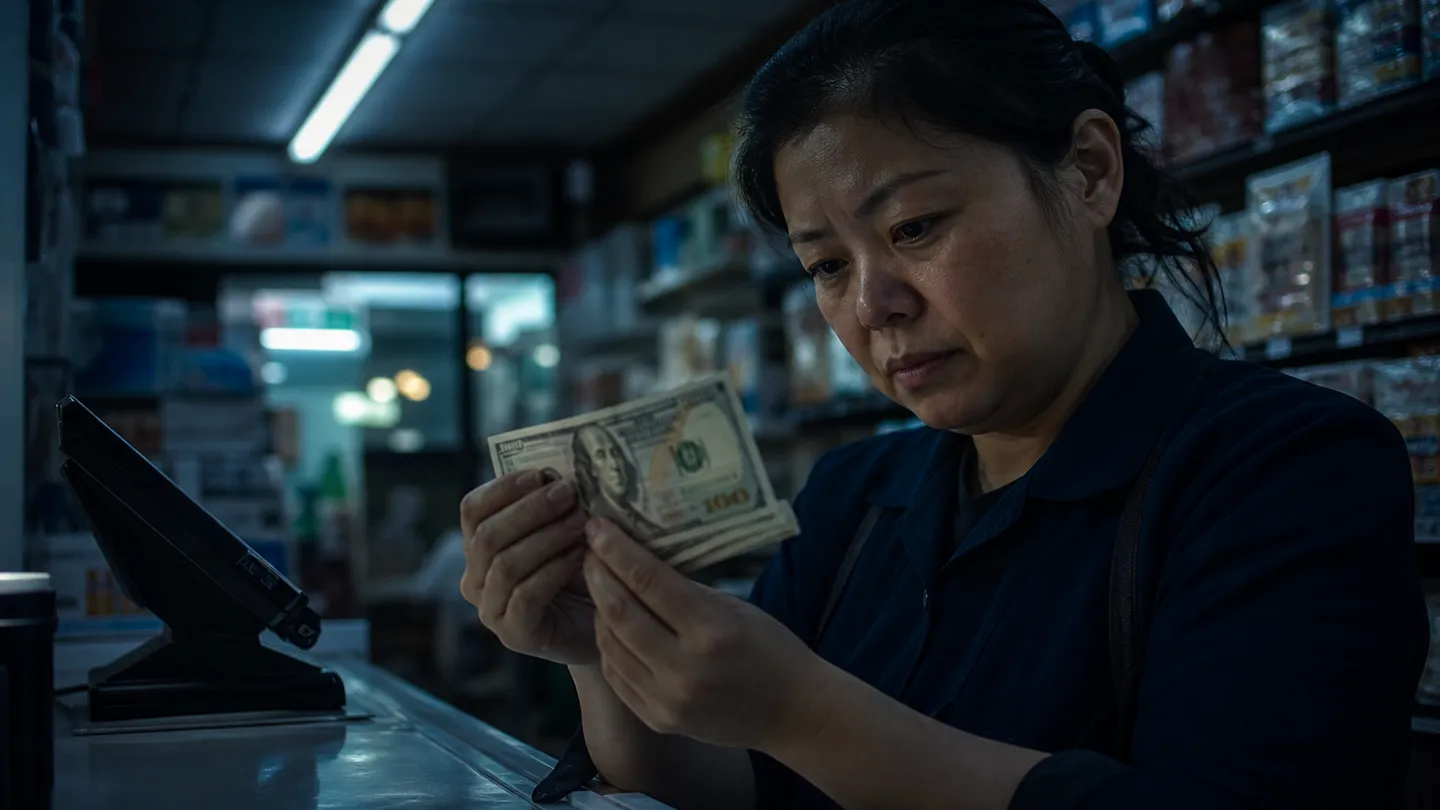
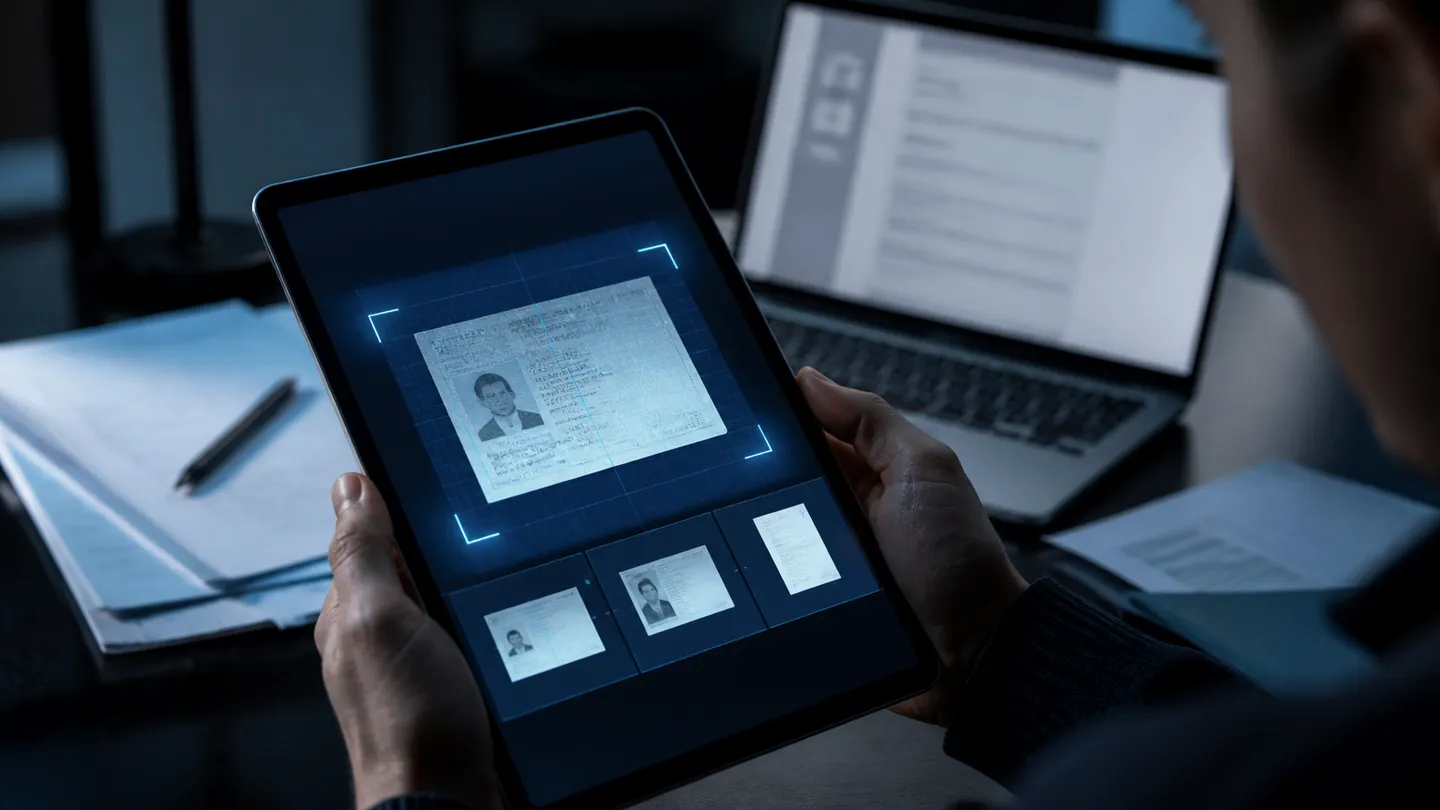
Counterfeiting currency is the illegal creation, alteration, or use of imitation money intended to pass as genuine. If we receive a suspicious note, we should avoid returning or spending it, handle it as little as possible, record relevant details, and contact local police or the appropriate currency authority for guidance.
What Is Currency Counterfeiting?
Currency counterfeiting refers to the illegal production or modification of money with the intent to deceive others into believing it is genuine legal tender. This crime hinges on the perpetrator's knowledge and intent; simply possessing a suspicious note does not imply wrongdoing. Counterfeit currency is designed to mimic real money closely, incorporating features like watermarks, security threads, and colour-shifting ink that are present in legitimate banknotes.
It is essential to distinguish between counterfeit currency and other types of notes. Altered banknotes are genuine notes that have been modified, perhaps by changing the denomination or removing identifying features. Prop money and novelty notes are created for entertainment or training purposes and are not intended to be used as real currency. Lawful reproductions may also exist, which are produced for educational or artistic purposes and clearly marked to indicate they are not legal tender.
For example, a note that appears unusual but is genuinely issued by a foreign bank may confuse some people. This note, while not commonly seen, is not counterfeit because it was produced legally and is not intended to deceive anyone. Understanding these distinctions helps us navigate situations involving suspicious currency more effectively and reduces the risk of mistakenly accusing someone of counterfeiting. To learn more about the risks associated with counterfeit currency, we recommend checking our guide on Dollar Counterfeit: Understanding the Risks.
How Counterfeit Money Enters Circulation—and Why It Matters
Counterfeit currency poses significant risks to individuals, businesses, and the overall economy. Once counterfeit notes enter circulation, they can lead to direct financial losses. Merchants who unknowingly accept fake money may suffer immediate losses, as they are unable to recover the value of the counterfeit note. In addition to these direct losses, businesses incur costs related to verifying currency and training staff to identify counterfeit notes. These verification efforts often require investment in tools, such as counterfeit detection pens, and ongoing training to keep employees updated on the latest security features in legal tender.
Law enforcement also bears a financial burden as they allocate resources to combat counterfeiting. This includes investigating counterfeit cases and conducting outreach to educate the public about identifying fake currency. The presence of counterfeit notes can erode trust in cash as a reliable medium of exchange, leading consumers to question the value of physical currency altogether. This decline in trust can have long-term implications for the economy, as people may prefer digital transactions over cash.
Recent estimates from monetary authorities highlight the prevalence of counterfeit notes. The Federal Reserve reported in 2020 that approximately 0.01% of all U.S. currency in circulation was counterfeit, based on their analysis of detected counterfeit notes. In 2021, the European Central Bank indicated that around 0.008% of euro banknotes were found to be counterfeit, reflecting a similar concern in Europe. These statistics underscore the importance of ongoing efforts to detect and prevent counterfeiting, as even small percentages can represent significant sums of money in circulation.
Addressing the issue of counterfeit currency is crucial for maintaining the integrity of legal tender and ensuring consumer confidence. Understanding how counterfeit notes enter circulation and the associated risks can help individuals and businesses take proactive steps to protect themselves.
How Genuine Banknotes Are Authenticated
Authenticating genuine banknotes involves a careful examination of multiple security features using the feel-look-tilt approach. This method encourages us to engage with the note physically and visually, rather than relying on a single characteristic. Genuine banknotes contain several key features designed to thwart counterfeiting, including watermarks, security threads, colour-shifting ink, raised printing, and microprinting.
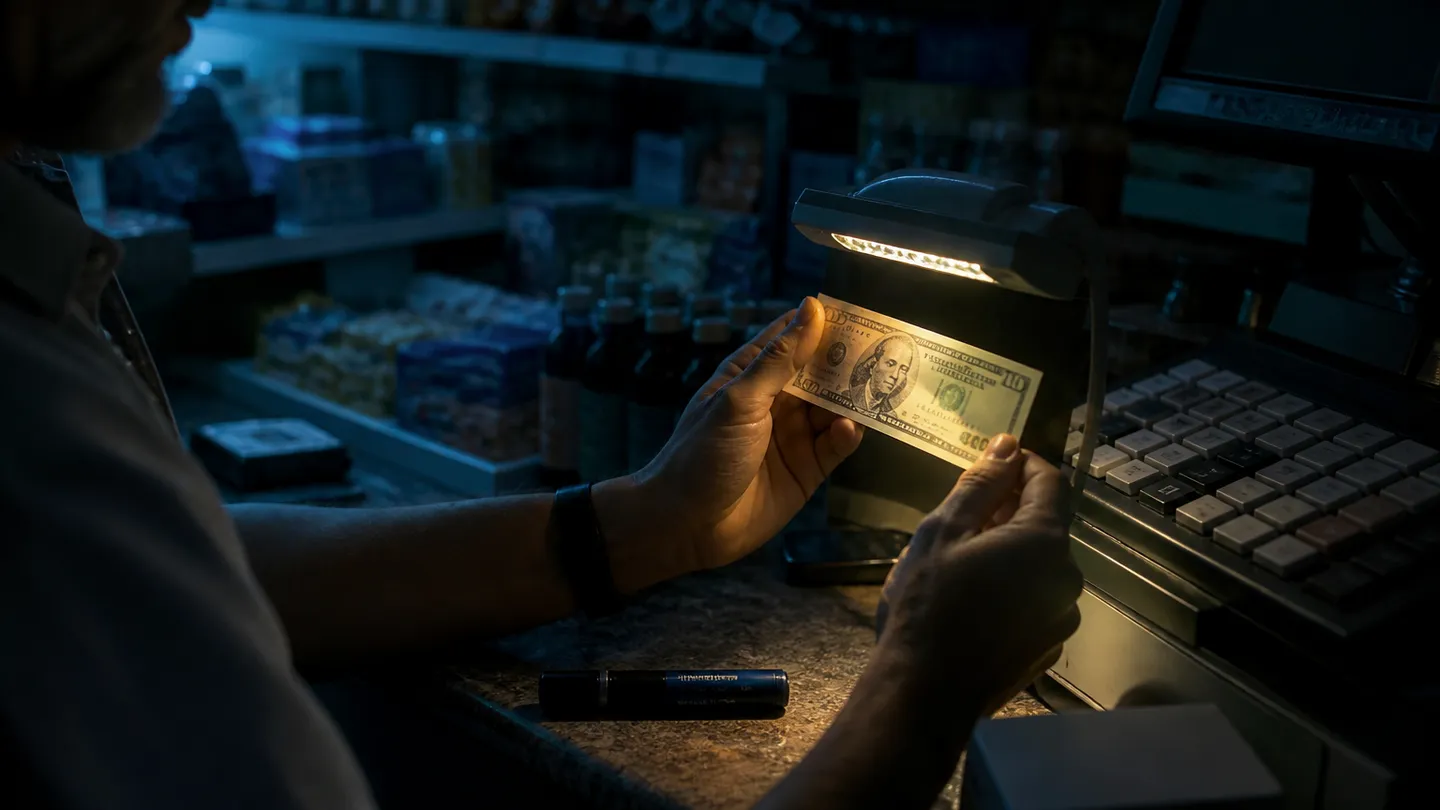
Watermarks are visible when held up to the light, displaying a recognizable image or pattern that should match the official design. Security threads are embedded within the note and may be visible when held against light or felt as a raised line. Colour-shifting ink changes colour when tilted, adding another layer of verification. Raised printing can be felt by touch, particularly on the portrait, which should have a distinct texture. Microprinting consists of tiny text that is difficult to replicate, typically found in various locations on the note.
To ensure accurate authentication, we should check several features against an official central bank guide and a known genuine note. It's important to note that relying solely on one sign, such as a watermark, is insufficient. A comprehensive assessment involving multiple features increases our confidence in identifying genuine currency.
Comparison of Currency Types
| Feature | Genuine Notes | Suspected Counterfeits | Altered Notes | Prop or Novelty Money |
|---|---|---|---|---|
| Watermark | Present and clear | May be absent or unclear | Original watermark altered | Not present |
| Security Thread | Embedded and visible | May be printed on surface | Original thread modified | Not present |
| Colour-Shifting Ink | Changes colour on tilt | May be one colour | Original ink altered | Not present |
| Raised Printing | Textured feel | Smooth to touch | Original texture altered | Not present |
| Microprinting | Clear and consistent | Often illegible | Original text modified | Not present |
Understanding these features empowers us to make informed decisions when handling currency. We recommend familiarising ourselves with the official guidelines provided by institutions such as the Federal Reserve or the Bank of England. For additional insights into identifying counterfeit money, consider exploring our guide on Fake US Dollars: How to Spot Them.
What to Do If You Suspect a Counterfeit Note
If we encounter a note that we suspect may be counterfeit, our response should prioritise safety and proper procedure. Here’s a checklist to guide our actions:
- Do not spend or return the note: Attempting to use a suspected counterfeit note can lead to legal complications, as it may be interpreted as knowingly distributing fake currency.
- Minimise handling: The more we handle the note, the greater the risk of contamination or damage, which could hinder any investigation.
- Record relevant details: Note the time, date, location, and any descriptions of the individual who presented the note. This information can be invaluable for authorities.
- Contact the appropriate authorities: Reach out to local police, the central bank, or designated agencies that handle currency issues. In the United States, this includes the U.S. Secret Service, while in the United Kingdom, we would contact the Bank of England.
Procedures for reporting counterfeit notes can differ significantly depending on the country. In the United States, we can report counterfeit currency directly to the U.S. Secret Service, which is responsible for investigating such crimes. In the United Kingdom, the Bank of England provides guidance on how to report counterfeit notes. The European Central Bank offers similar resources for those in the euro area, while Canadians can contact the Bank of Canada. In Ireland, the Central Bank of Ireland handles counterfeit currency reports.
It is essential to remember that counterfeit notes are typically confiscated by authorities, and individuals usually do not receive reimbursement for these notes. This highlights the importance of being vigilant and informed about handling suspicious currency. By following these steps, we can contribute to the effort against counterfeiting and protect ourselves from potential losses.
Legal Consequences of Making, Possessing, or Using Counterfeit Currency
Engaging in counterfeiting currency can lead to serious legal repercussions. The laws surrounding counterfeiting vary by jurisdiction, but common offences include manufacturing, knowingly possessing, distributing, and intentionally using counterfeit money. Each of these actions carries different penalties, reflecting the severity of the crime.
Manufacturing Counterfeit Currency
Creating counterfeit currency is a federal crime in the United States. The penalties for manufacturing counterfeit notes can include imprisonment for up to 15 years and substantial fines. This serious offence is prosecuted under Title 18, Section 471 of the U.S. Code, which outlines the legal framework for counterfeiting.
Knowingly Possessing Counterfeit Currency
Possessing counterfeit currency without intent to use it may still result in legal consequences. In many jurisdictions, knowingly possessing fake money can lead to charges that carry penalties ranging from fines to imprisonment. For example, in Washington State, a person found guilty of possessing counterfeit currency could face up to 5 years in prison and a fine of $10,000.
Distributing Counterfeit Currency
Distributing counterfeit notes, whether knowingly or unknowingly, is treated as a serious offence. If someone is caught distributing counterfeit currency, they may face penalties similar to those for manufacturing, including lengthy prison sentences and significant fines. In California, for example, distributing counterfeit currency can result in a sentence of up to 3 years in state prison.
Intentional Use After Discovering a Note Is Fake
The distinction between accidentally receiving counterfeit money and knowingly using it after realising it may be fake is crucial. If an individual attempts to use a note after discovering it is counterfeit, they can be charged with a more severe offence. This could lead to harsher penalties, including longer prison sentences. In New York, knowingly using counterfeit currency can result in a felony charge, with potential sentences of 1 to 7 years in prison.
Accidental Receipt vs. Intentional Use
It is important to differentiate between accidentally receiving counterfeit currency and intentionally trying to use it. Accidental receipt, where a person unknowingly accepts a counterfeit note, typically does not carry legal penalties. However, if a person is aware of the note's counterfeit status and still tries to use it, they may face criminal charges.
Understanding these legal consequences is essential for anyone handling currency. By being aware of the risks associated with counterfeit money, we can better navigate our responsibilities in financial transactions and reduce the likelihood of legal complications. For further insights into the risks of counterfeit currency, consider exploring our guide on Counterfeiting Money: An Overview.
The Economic Impact of Counterfeiting
Counterfeit currency has a distinct economic impact on various stakeholders, including merchants, banks, cash handlers, and public institutions. The immediate loss from counterfeit notes is typically borne by the merchant or the cash handler who accepts the fake currency. For instance, if a shopkeeper unknowingly accepts a counterfeit note, they lose the value of that note without any means of recovering their loss. This situation can lead to significant financial strain, especially for small businesses that operate on thin profit margins.
It's important to differentiate between measurable direct losses and exaggerated claims regarding the broader implications of counterfeiting. While counterfeit currency can erode trust in cash, leading to a preference for digital transactions, it does not necessarily cause widespread inflation or destabilise an entire currency. The percentage of counterfeit notes detected is usually quite small compared to the total volume of genuine notes in circulation. For example, the Federal Reserve reported that in 2020, approximately 0.01% of all U.S. currency in circulation was counterfeit. In comparison, the total amount of genuine U.S. currency exceeded $2 trillion, meaning that the actual monetary impact of counterfeiting, while concerning, is limited.
Merchants and banks often implement measures to detect counterfeit notes, such as using counterfeit detection pens or examining security features like watermarks and colour-shifting ink. These proactive steps can help mitigate losses. Moreover, public institutions, including law enforcement and central banks like the U.S. Secret Service and the European Central Bank, work to combat counterfeiting through detection and prevention strategies.
In summary, while counterfeit currency poses risks and can lead to immediate financial losses for individuals and businesses, its overall economic impact is often overstated when considering the broader financial landscape. By understanding the specific effects of counterfeiting and recognising the relatively small scale of the issue, we can better appreciate the importance of vigilance and education in safeguarding against counterfeit notes.
How Counterfeiting Rates Are Measured and Compared
How Counterfeiting Rates Are Measured and Compared
Measuring counterfeiting rates involves several common metrics that help us understand the prevalence of counterfeit currency. These include the number of notes detected, counterfeits per million genuine notes, face value seized, and denomination share. For instance, the metric "counterfeits per million genuine notes" provides a clearer picture of how widespread counterfeiting is relative to the total volume of currency in circulation. A high number of detected notes can indicate effective detection measures rather than a high actual prevalence of counterfeiting.
Claims about the 'most counterfeited currency' or the 'easiest currency to counterfeit' cannot be verified solely from raw seizure totals. Different countries have varying methods for collecting and reporting counterfeit data, which affects comparability. For example, one country may report only the face value of seized counterfeit notes, while another includes the total number of notes. This discrepancy can skew perceptions of the severity of counterfeiting in different jurisdictions.
To illustrate these differences, we can look at a source-and-date table that presents figures from various countries. This helps to contextualise the data and highlights that direct comparisons may be misleading.
| Country | Year | Notes Seized | Face Value Seized | Counterfeits per Million Genuine Notes |
|---|---|---|---|---|
| USA | 2020 | 1,000,000 | $2,000,000 | 0.01 |
| UK | 2020 | 500,000 | £1,000,000 | 0.02 |
| Canada | 2020 | 200,000 | $400,000 | 0.005 |
| Australia | 2021 | 100,000 | $200,000 | 0.03 |
Understanding how these metrics are measured allows us to draw more informed conclusions about the state of counterfeiting in different regions. It is crucial to recognise that while certain currencies may be reported as being counterfeited more frequently, the context behind the numbers is essential for a fair assessment.
For further insights into the complexities of counterfeiting, we recommend exploring our guide on Counterfeiting Money: An Overview.
Counterfeit Currency Myths: What the Evidence Shows
Counterfeit currency is often surrounded by misconceptions that can lead to unnecessary panic or misunderstanding. We want to clarify some common claims about counterfeit notes, providing a verdict based on evidence and practical takeaways.
Claim: Detection pens are conclusive.
Verdict: False.
Detection pens can indicate potential counterfeits, but they are not foolproof. Some counterfeiters use similar ink that can fool these pens, leading to false positives or negatives. Always examine additional security features like the watermark, security thread, and microprinting for a more accurate assessment.
Claim: Banks always reimburse victims of counterfeit currency.
Verdict: Misleading.
In the U.S., banks are not legally required to reimburse individuals for counterfeit notes. If a person unknowingly accepts a counterfeit note, the loss is typically borne by them, not the bank. It’s crucial to be vigilant and educate yourself about how to spot counterfeit currency to avoid such losses.
Claim: Every fake-looking note is illegal counterfeit currency.
Verdict: Incorrect.
Not all notes that look fake are counterfeit. Many are novelty notes or altered banknotes designed for entertainment or educational purposes. These items, when used as intended, are legal and not classified as counterfeit currency. Always check for security features to determine authenticity.
Claim: Accidental payment with counterfeit currency automatically leads to jail.
Verdict: Overstated.
Accidentally receiving counterfeit money does not typically result in criminal charges, as long as the individual did not intend to use it knowingly. However, using a counterfeit note after realising it is fake can lead to serious legal consequences. It’s essential to report any accidental receipt of counterfeit currency to authorities like the U.S. Secret Service.
The Myth of "Superdollars"
Claims about "superdollars," high-quality counterfeit U.S. notes produced by foreign entities, often circulate in media. While the U.S. Secret Service acknowledges the existence of such currency, details about their production and distribution remain largely unverified. This leaves room for speculation and exaggeration.
In conclusion, separating fact from fiction regarding counterfeit currency is vital for public awareness. By understanding these myths and the realities behind them, we can better prepare ourselves to handle suspicious notes and navigate the complexities of currency safely. For more information on staying informed about counterfeit risks, consider exploring our guide on Dollar Counterfeit: Understanding the Risks.
Counterfeiting Currency: Action and Myth Verification Table
| Action | Contact | What Not to Do | Reimbursement | Source |
|---|---|---|---|---|
| Accidental Receipt | Local Law Enforcement | Use it knowingly | Typically not reimbursed | U.S. Secret Service |
| Intentional Use | Legal Counsel | Attempt to use after knowing | Possible reimbursement varies | State Laws |
| Detecting Counterfeits | Banks or Merchants | Ignore security features | Not applicable | Bank Policies |
| Reporting Counterfeits | U.S. Secret Service | Keep it to yourself | Not reimbursed by banks | U.S. Secret Service |
Common Mistakes and Misconceptions
Treating Every Imitation Note as the Same Thing
Labels matter. Counterfeit currency is made or used to pass as genuine money, while an altered note begins as genuine currency but has been changed; prop money, novelty notes, and lawful reproductions serve different purposes and may be subject to different rules. We advise identifying both the item and how it was presented before drawing conclusions.
| Item | Key question to ask |
|---|---|
| Suspected counterfeit | Was it represented as genuine currency? |
| Altered genuine note | Does it contain authentic material that appears changed? |
| Prop money | Was it produced for a performance or visual production? |
| Novelty note | Is it clearly presented as a souvenir, joke, or promotional item? |
| Reproduction | Does its format and use comply with applicable reproduction rules? |
Assuming a "Prop Money" Label Makes Spending It Acceptable
A printed disclaimer does not turn imitation money into spendable cash. Someone may focus on the note's original purpose, but presenting it to a Seattle cashier as genuine payment can create legal and financial consequences based on the conduct involved. Before accepting a prop-style note, we suggest checking whether it was clearly disclosed as a non-monetary item rather than relying on small printed wording.
Quoting One Penalty Without Explaining the Offence
There is no single penalty that describes every currency-related case. The outcome can depend on what the person knew, what they intended, the specific act alleged, and whether federal or Washington law applies. We recommend treating general penalty summaries as background information and seeking qualified legal advice for an actual incident.
Repeating "Most Counterfeited" or "Easiest to Counterfeit" Rankings
These labels often sound more authoritative than the underlying comparison. Detection totals, seized face value, denomination patterns, and estimates of circulation answer different questions, so a ranking without consistent official methods offers little guidance to a consumer or business. We advise basing cash-handling procedures on the security features of the currency being accepted, not on an unsupported league table.
Relying on One Check Instead of an Authentication Process
A single unusual feature does not settle whether a note is genuine. Cashiers sometimes make a quick decision from appearance, texture, or one device, but wear, contamination, and unfamiliarity can complicate that judgement. Before accepting or refusing a suspicious note, we suggest using a short checklist:
- compare it with a known genuine note of the same denomination;
- examine several security features rather than one clue;
- follow the business's cash-handling procedure;
- ask a supervisor when uncertainty remains.
Separating Detection From the Next Steps
Spotting a suspicious note is only part of the task. A Seattle business also needs a calm process for ending the transaction safely, preserving relevant details, avoiding recirculation, and contacting the appropriate bank or authorities. We recommend organising authentication, staff safety, reporting, record-keeping, and loss handling as one procedure rather than leaving employees to improvise at the till.
Conclusions
Start with a calm check.
- We should compare a suspicious note with genuine currency and examine several security features, rather than trusting a detection pen or appearance alone.
- If doubts remain, we should pause the transaction, involve a supervisor, preserve relevant details, and follow the business’s reporting procedure.
- We must not spend, return to circulation, or knowingly accept a note once we suspect it is counterfeit.
- Prop money, novelty currency, altered notes, and counterfeits are not interchangeable labels; intended use and how the item was presented both matter.
- Seattle businesses should give staff a clear process covering safety, authentication, record-keeping, and contact with a bank or the appropriate authorities.
Next, review Fake US Dollars: How to Spot Them for a practical guide to examining suspicious notes.