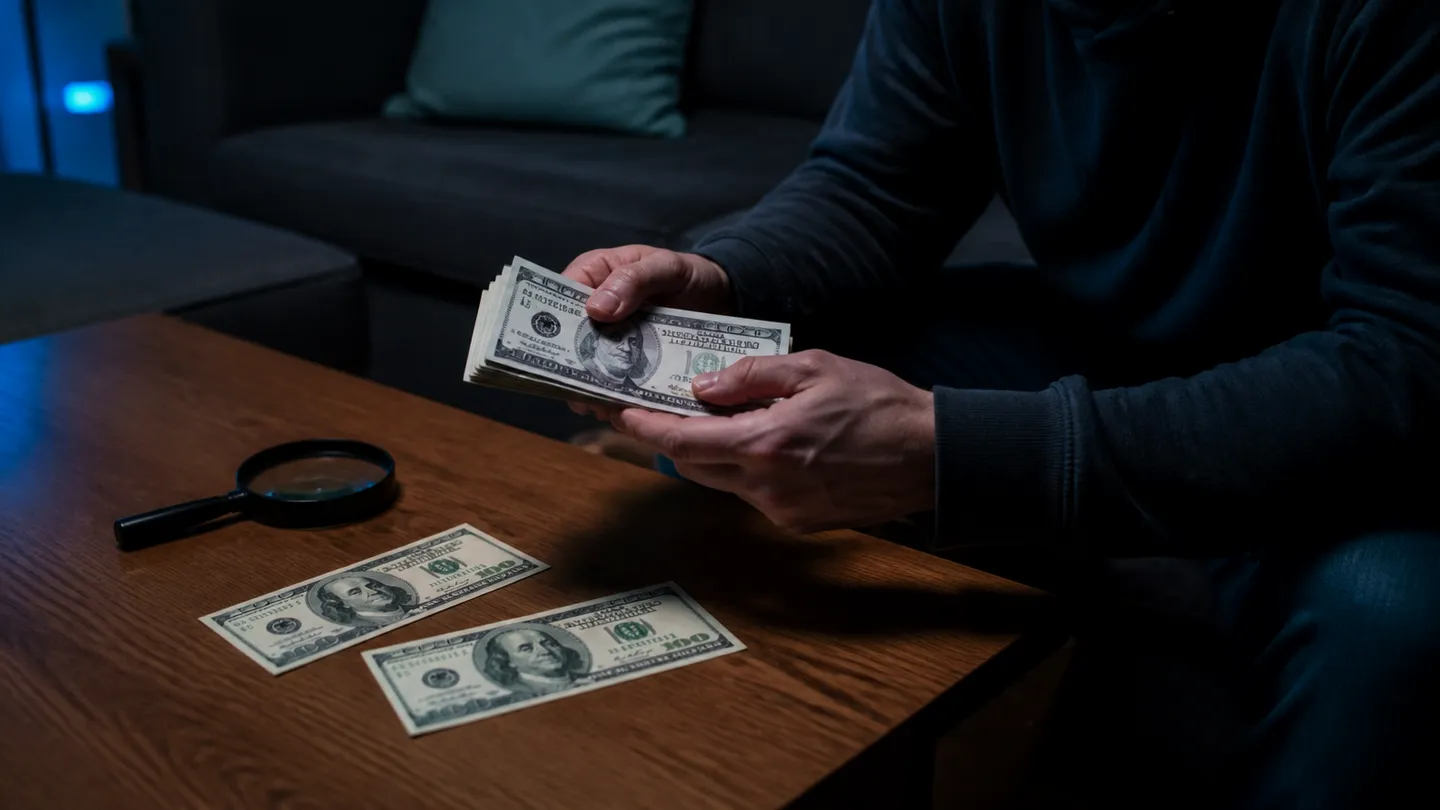
Prop money is imitation currency made for films, photography, theatre, events, and other visual productions; it should be clearly distinguishable from genuine banknotes and used only as a controlled production item. We recommend checking its markings and design, keeping it away from public transactions, and accounting for every note during use.
What Is Prop Money—and How Is It Different From Counterfeit Money?
Prop money is a type of non-legal-tender currency designed specifically for use in productions, photography, performances, training, displays, or entertainment. It is crucial that prop money is clearly distinguishable from genuine banknotes to prevent any legal issues and to ensure that it is used responsibly. Unlike counterfeit currency, which is illegal and intended to deceive, prop money is manufactured for legitimate purposes, such as creating realistic scenes in films or providing training for cash handling.
To further clarify, prop money differs from other similar items like play money, novelty bills, and genuine demonetized notes. Play money is often brightly coloured and clearly marked for children's games, while novelty bills may not accurately represent real currency. Genuine demonetized notes, although real at one point, are no longer valid for transactions but can still be used for display purposes. Prop money, on the other hand, is specifically created to mimic legal tender without any intent to be used in actual transactions.
Comparison of Prop Money and Counterfeit Currency
| Feature | Prop Money | Counterfeit Currency |
|---|---|---|
| Purpose | Used for productions and training | Intended to deceive and defraud |
| Appearance | Clearly marked; often has "For Motion Picture Use Only" | Designed to look exactly like real currency |
| Legal Status | Legal to own and use in controlled environments | Illegal under 18 U.S.C. §§ 471–474 |
| Typical Markings | "For Motion Picture Use Only," other disclaimers | No disclaimers; attempts to mimic authenticity |
Understanding the distinctions between prop money and counterfeit currency is vital for anyone involved in filmmaking, photography, or any event requiring realistic currency representations. We recommend sourcing prop money from reputable suppliers like Prop Money Inc, ensuring compliance with legal standards to avoid any potential issues with the U.S. Secret Service and regulations outlined in 31 CFR § 411.1.
Is Prop Money Legal to Buy and Use?
Buying or possessing prop money in the U.S. is not automatically illegal; however, several factors determine its legality, including design, intent, jurisdiction, and use. It is crucial to understand that while you can legally obtain prop money, attempting to spend it as real currency is unlawful. The U.S. Secret Service provides guidance on this matter, specifying that prop money must not resemble legal tender closely enough to cause confusion or be used in transactions.
According to 18 U.S.C. §§ 471–474 and 18 U.S.C. § 504, any currency that can be mistaken for genuine money is considered counterfeit. The relevant regulations also stipulate that prop money must adhere to certain size conditions: it must be either under 75% or over 150% of the actual currency size to avoid confusion with legal tender. Additionally, 31 CFR § 411.1 outlines that prop money must be clearly marked to indicate it is not real currency, ensuring that it is used only in controlled environments, such as film sets or theatre productions.
Important Considerations
- Type of Prop Money: There are various forms of prop money, including full-print prop bills, one-sided prop bills, and blank filler stacks. Each type serves different purposes in productions but must adhere to legal guidelines.
- Jurisdiction Variances: Rules can differ based on state laws and local jurisdictions. It is essential to check specific regulations in your area before purchasing or using prop money.
- Foreign Currency: The laws governing prop money can also vary for foreign currencies, such as euros. The European Central Bank has its own rules regarding the depiction of euro banknotes, which may differ from those applicable to U.S. currency.
While this information serves to educate, it is not legal advice. Always consult a legal professional for specific inquiries regarding prop money and its use. For those looking to purchase prop money, sourcing from reputable suppliers, such as Prop Money Inc, can further ensure compliance with legal standards and avoid potential issues with law enforcement.
Myths About Realistic Prop Money, Checked
Myths About Realistic Prop Money, Checked
Several myths surround the use of realistic prop money that can lead to misunderstandings and potential legal issues. One common misconception is that a label stating "For Motion Picture Use Only" automatically makes any bill legal. In reality, while such markings are essential, they do not exempt the user from adhering to legal standards outlined in 18 U.S.C. §§ 471–474. These laws specify that any currency that could be confused with genuine money is considered counterfeit, regardless of its intended use.
Another prevalent belief is that using the same size notes as real currency is always permissible. This is misleading, as prop money must adhere to specific size regulations. According to 31 CFR § 411.1, prop money must be either less than 75% or more than 150% of the actual currency size to avoid confusion with legal tender. Failing to comply with these size requirements can result in legal repercussions.
Additionally, some creators think that removing obvious markings from prop money makes it look more professional. However, this practice can increase legal risks significantly. "Realistic prop money without motion picture" markings can easily be mistaken for actual currency, which would violate federal laws against counterfeit currency. The U.S. Secret Service warns that any prop money that resembles legal tender too closely can lead to serious legal consequences.
In summary, understanding the legal implications of using prop money is crucial. We recommend sourcing prop money from reputable suppliers like Prop Money Inc and ensuring compliance with all relevant laws to avoid potential pitfalls.
Types of Prop Money and What Each Is Used For
Various types of prop money exist, each designed for specific uses in visual productions, training, or displays. Understanding these categories will help filmmakers, photographers, and event organisers choose the right type of prop money for their projects.
Full-Print Prop Bills
Full-print prop bills are designed to resemble real currency closely, featuring detailed graphics and colours. These bills are ideal for wide shots in films or photography, where the currency needs to look authentic from a distance. For instance, U.S. dollar full-print notes can be effectively used in scenes where cash transactions occur, while euro-style props can enhance European-themed productions.
One-Sided Prop Bills
One-sided prop bills display images or graphics only on one side. This type is often used in close-up shots, allowing filmmakers to focus on particular details without needing a fully printed bill. These are beneficial for scenes that require cash counting or showcasing a specific denomination without the need for a complete representation.
Blank Filler Stacks
Blank filler stacks consist of several blank notes stacked together. They are primarily used as props in cash registers or as background elements in scenes where the focus is not on the money itself. Their use ensures that the visual setting appears realistic without needing to display actual currency.
Aged or Vintage Money
Aged or vintage prop money mimics the look of old or worn currency, often used in period pieces or historical dramas. This type of prop money can add authenticity to scenes set in earlier decades, enhancing the overall production value.
Custom Fictional Currency
Custom fictional currency is created specifically for a project and can feature unique designs and denominations. This type is commonly used in fantasy films or shows where the plot involves a fictional economy. It allows creators to invent their own monetary systems without legal concerns.
Prop Coins
Prop coins serve as an excellent addition for scenes requiring smaller denominations or for settings like markets or street performances. These coins can be realistic replicas of U.S. or euro coins, providing a tactile element to the production.
Edible Money
Edible money, often made from materials like rice paper or chocolate, is used in specific contexts, such as food-themed events or promotional activities. While it is not a traditional prop money type, it can add a fun, interactive element to presentations or displays.
By understanding these various types of prop money and their applications, we can effectively select the right kind for our needs, ensuring that our productions maintain realism while adhering to legal standards. For those interested in exploring options for euro-style props, we recommend checking out Prop Money Euro: Realistic Options Available.
How Realistic Does Prop Money Need to Be?
The realism of prop money is crucial and largely depends on several factors, including shot distance, resolution, lighting, movement, and whether performers will handle or count the bills. For example, hero bills are highly detailed and ideal for close-up shots, while lower-detail background notes and blank filler stacks can be used for wider shots or scenes where the money is not the focus.
When planning your production, consider the following scenarios:
Decision Table for Prop Money Use
| Shot Type | Recommended Prop Money Type | Details |
|---|---|---|
| Macro Shots | Hero Bills | High detail for close-ups where money is central. |
| Medium Shots | One-Sided Bills or Hero Bills | Balance between detail and practicality; consider lighting. |
| Wide Shots | Blank Filler Stacks or Lower-Detail Notes | Less focus on currency; realism from a distance. |
| Live Theatre | Full-Print Prop Bills | Visible detail under stage lighting; audience proximity. |
| Social Content | One-Sided Bills or Blank Filler Stacks | Quick shots; focus on context rather than detail. |
For reference, a genuine U.S. banknote measures approximately 6.14 × 2.61 inches (156 × 66.3 mm). However, it is essential to note that prop money must not replicate these dimensions closely to avoid legal issues. According to regulations, prop money must be either under 75% or over 150% of the actual currency size to ensure it is distinguishable from legal tender.
The choice of prop money should align with the intended use and visual requirements of each scene. By understanding these key factors, we can select the appropriate type of prop money that meets our production needs while ensuring compliance with legal guidelines.
How to Choose Prop Money for Your Project
Selecting the right prop money for your project involves careful consideration of various factors. Here’s a checklist to guide our decision-making:
Checklist for Choosing Prop Money
- Denomination: Choose the appropriate denominations that fit the scene. For example, a briefcase scene may require a mix of large denominations, while a tabletop close-up might work better with smaller bills.
- Currency Style: Decide whether to use U.S. dollars or another currency. If the scene is set in a different country, consider using prop money that reflects that currency's style.
- Period or Series: Ensure the prop money matches the time period of the project. Vintage styles may be necessary for period pieces, while contemporary looks work for modern settings.
- Print Detail: Assess whether full-print prop bills or one-sided bills are more suitable. Full-print is ideal for visibility in wide shots, while one-sided might be better for intimate close-ups.
- One- versus Two-Sided Design: Consider the purpose of the bills. One-sided prop money can be effective for scenes where only one side is visible, reducing costs.
- Paper Behavior: Evaluate the texture and weight of the prop money. It should feel realistic when handled by actors.
- Camera Colour: Check how the prop money appears on camera. Some colours may not translate well under certain lighting conditions.
- Aging: If a scene requires a worn look, consider using aged prop money to enhance authenticity.
- Legal Markings: Ensure that the prop money is marked as "For Motion Picture Use Only" to avoid legal issues.
- Consistency Between Bundles: Maintain uniformity in the appearance of bundles, as inconsistent styling can detract from realism.
While we often think that the "most realistic" prop money is the best choice, this isn't always the case. For example, ultra-realistic bills might confuse viewers or actors, especially in chaotic scenes. Instead, we recommend balancing realism with practicality for camera effectiveness.
Selection Examples
- Tabletop Close-Up: Use one-sided bills to focus on the action without needing a full view of the money.
- Briefcase Scene: Opt for full-print prop bills in various denominations to create an impression of wealth and realism.
- Stage Performance: Full-print prop bills work best, ensuring visibility under stage lights while maintaining detail.
- Large Background Pile: Blank filler stacks can effectively simulate a large quantity of cash without the need for detail, keeping costs down.
By following this checklist and considering these examples, we can select the most appropriate prop money for our projects, ensuring both legal compliance and visual impact.
How Much Prop Money Do You Need?
Determining the right amount of prop money for your project is essential for achieving a realistic look without overspending. A transparent planning method is key, and we recommend starting with visible stacks, where each stack contains a specific number of bills. For example, if you decide on stacks of 100 bills, ensure that the total number of stacks aligns with your scene's requirements.
When planning, consider using "hero notes" that are highly detailed and visually appealing for close-up shots. For wider shots or background scenes, you can incorporate "blank filler stacks" that simulate bulk without the need for realistic detail. It's also wise to include a contingency allowance of 10–20% for damage or continuity issues. This means if you estimate needing 1,000 bills, you should prepare for 1,100 to 1,200 to accommodate any losses during filming.
Sample Calculations
For a handheld stack, if you intend to show a single stack of 100 bills, you might need 10 stacks for a scene depicting someone holding cash, resulting in 1,000 bills. In a briefcase scenario, if you expect to fill it with 500 bills, two stacks of 250 bills each could suffice. For a table covered with cash, if you want a visually impactful display, consider using 5 stacks of 100 bills, which totals 500 bills.
Reusable Props
It's important to note that if you plan to use reusable props, the number of takes should not multiply into your total. For instance, if you have a set of hero bills that can be used in multiple takes without showing wear, you can rely on fewer total bills than if you were using them only once per take. This approach not only saves costs but also simplifies your logistics.
By following these guidelines, you can effectively plan your prop money needs, ensuring a convincing and visually appealing production while remaining compliant with legal regulations regarding prop money usage.
Where to Buy Prop Money and How to Vet a Seller
When searching for prop money, there are several avenues to consider, each with distinct advantages and challenges. Specialist manufacturers typically offer high-quality products designed specifically for film and theatre. These companies often provide detailed documentation about their money, ensuring compliance with legal standards. In contrast, marketplaces like Amazon may offer a variety of options, but the quality can vary significantly. It’s essential to read reviews and check seller ratings to gauge reliability.
Local theatrical suppliers are another great resource, as they often cater to the specific needs of productions in your area. They can provide insights into the best types of prop money for different scenarios and may offer customisation options. Rental houses can also supply prop money, which is particularly useful for short-term projects, allowing you to avoid the cost of purchasing items outright.
Vetting Sellers
Regardless of where we choose to buy prop money, vetting the seller is crucial. Here are some factors to consider:
- Documentation: Ensure the seller provides clear specifications about the prop money, including markings and dimensions. This is vital for compliance with regulations like 18 U.S.C. §§ 471–474, which outline the legal boundaries for prop money.
- Consistency: Look for sellers who can guarantee consistency in their products. This is particularly important for projects requiring multiple bundles of money.
- Shipping and Returns: Check the shipping policies and return options. Reliable sellers should offer reasonable shipping times and an easy return process in case the product does not meet expectations.
- Customisation: Some sellers may provide options to customise the prop money, which can be beneficial for specific projects needing unique designs.
While searching for specific companies such as Prop Money Inc, it's important to verify the exact domain and policies rather than assuming quality based on the brand name alone. This can be done by checking their official website and reading customer feedback.
Risky Listings
Be cautious of listings that exhibit red flags. For instance, prop money that conceals both sides of the bill, lacks clear dimensions or markings, or falsely claims spendability should be avoided. Listings using genuine-currency photos can also be misleading. Always ensure that prop money is clearly marked as "For Motion Picture Use Only" to avoid complications with the U.S. Secret Service and to comply with 31 CFR § 411.1 regulations.
By following these guidelines, we can make informed decisions about where to buy prop money and how to vet sellers effectively, ensuring that our projects are both visually convincing and legally compliant.
Safe Handling, Storage, and Disposal on Set
Handling prop money responsibly is crucial to avoid confusion with genuine currency and to maintain compliance with legal regulations. We recommend following a simple chain-of-custody checklist to ensure the safe handling, storage, and disposal of prop money on set.
Chain-of-Custody Checklist
- Count and Photograph: Before and after use, count the prop money and take photographs of each denomination. This documentation helps track the items and prevents losses.
- Assign Responsibility: Designate one person to be responsible for the prop money throughout the production. This individual should oversee its use and ensure it remains secure.
- Secure Storage: Keep prop money away from genuine cash and public payment areas. Use clearly labelled sealed storage containers to prevent accidental mixing with real currency.
- Brief Cast and Crew: Inform everyone involved in the production about the presence of prop money. This will help prevent misunderstandings and ensure that everyone handles it properly.
When it comes to disposal, follow the supplier's instructions regarding the return or secure disposal of prop money. This may involve returning unused items to the supplier or ensuring that they are destroyed in a way that prevents them from entering circulation.
Response Plan for Missing Prop Money
In the unfortunate event that a bill goes missing or accidentally enters circulation, it is essential to have a response plan in place. Start by informing production management immediately. They can assess the situation and decide on the next steps. If necessary, escalate the issue to local authorities, as they may need to be involved, especially if the prop money is mistaken for counterfeit currency.
By implementing these guidelines, we can ensure the safe handling, storage, and disposal of prop money on set, thereby minimising risks and maintaining compliance with relevant laws, such as 18 U.S.C. §§ 471–474. Taking these precautions not only protects our production but also upholds the integrity of our industry.
Prop Money Selection and Usage Guide
| Shot Distance | Bill Type | Detail Level | Safety Features | Quantity Calculator |
|---|---|---|---|---|
| Close-Up | One-Sided | Low | Marked 'For Motion Picture Use' | Depends on scene requirements |
| Medium Shot | Full-Print | Medium | Marked 'For Motion Picture Use' | Depends on scene requirements |
| Wide Shot | Full-Print | Low | Marked 'For Motion Picture Use' | Depends on scene requirements |
| Background Pile | Blank Filler | None | Marked 'For Motion Picture Use' | Depends on scene requirements |
| Briefcase | Full-Print | High | Marked 'For Motion Picture Use' | 500 bills (2 stacks of 250) |
| Table Display | Full-Print | Medium | Marked 'For Motion Picture Use' | 500 bills (5 stacks of 100) |
| Reusable Props | Hero Notes | High | Marked 'For Motion Picture Use' | Depends on number of takes |
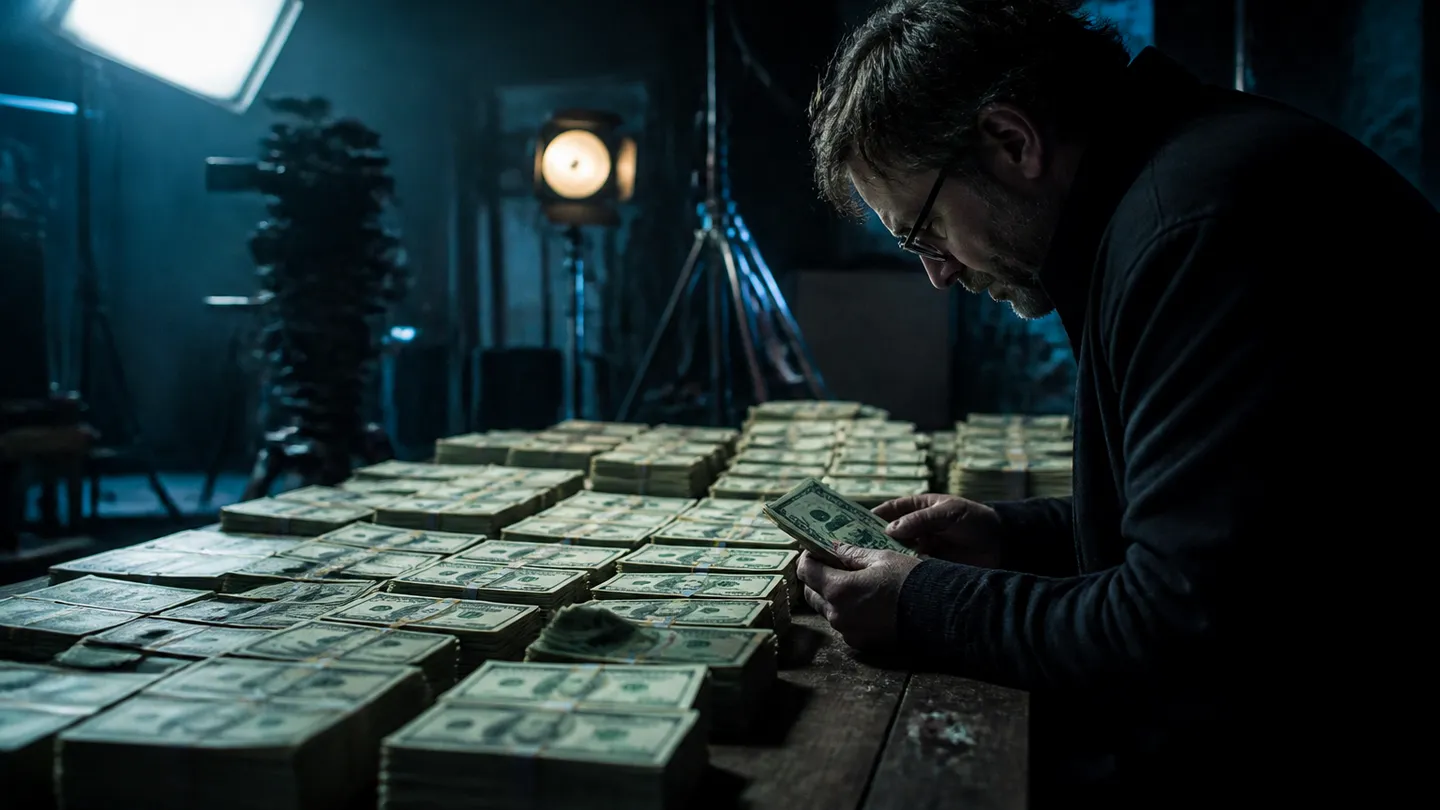
Common Mistakes and Misconceptions
Most mistakes begin with a category error. Before ordering or printing anything, we suggest checking:
- whether the item is a production prop, currency illustration, novelty note, or suspected counterfeit;
- how closely the camera, performers, and public will see it;
- whether it could enter a genuine payment area;
- who controls it from delivery through final handover.
Treating Every Fake Note as Prop Money
"Prop money", novelty money, permitted currency illustrations, and counterfeit currency are not interchangeable terms, even when sellers use them loosely. Confusing these categories can lead a production to print an image under rules intended for illustrations, or bring an unsuitable novelty product onto set. We recommend classifying the item by its design, format, intended use, and potential to be mistaken for genuine currency rather than trusting the listing title.
Assuming Novelty Money Is Automatically Suitable
People often assume that an obviously humorous note is harmless, but its appearance may change under dim lighting, rapid movement, or partial obstruction. A novelty product can still create confusion if performers carry it near a till or public payment area, such as during filming in a Seattle café. We advise reviewing the actual note from both sides and keeping it away from any place where genuine cash changes hands.
Applying Illustration Rules to Physical Hand Props
Permission to show or reproduce a currency image does not automatically answer whether a printed object is suitable for handling during a scene. An image used in editing, a flat printed illustration, and a loose note passed between actors create different practical risks. Before production, we suggest confirming the medium and intended action instead of treating every currency reproduction as the same type of asset.
Judging Quality from Seller Photos Alone
A sharp product photograph reveals little about how a note will appear through the chosen lens, lighting, colour grade, or motion. Details that look convincing online may become distracting on camera, while a simpler design may work well when folded, moving, or partly hidden. We recommend making a camera test with the planned wardrobe, lighting, and handling before committing the full order to that design.
Calculating by Face Value Instead of Screen Coverage
A scene rarely needs a believable monetary total; it needs believable visible surfaces, thickness, movement, and continuity between takes. Buying according to the printed face value can leave too few exposed notes for the frame or waste detailed props inside closed bundles. We suggest sketching each composition, marking what the camera sees, and separating exposed notes, concealed volume, handling pieces, and reset replacements.
Treating a Missing Note as a Continuity Issue
A lost prop bill is not merely a problem for matching the next shot, particularly on a public location. Continuing production without checking handovers, costumes, rubbish, vehicles, and nearby payment areas increases the chance that the note leaves controlled space. We advise pausing its use, documenting where it was last handled, and letting production management decide whether the situation requires further escalation.
Conclusions
We recommend control over realism.
- Match the prop to the shot: reserve detailed notes for visible handling, and use simpler fillers where focus, distance, or movement hides fine features.
- Inspect before buying: we should compare both sides, stated dimensions, visible markings, return terms, and seller documentation rather than relying on polished listing images.
- Test before filming: check the notes with the planned lens, lighting, wardrobe, movement, and colour grade before ordering the full quantity.
- Plan responsibility: keep props separate from genuine cash, assign a named custodian, record handovers, and prepare a clear procedure for missing items.
As a next step, review Counterfeiting Currency: An Overview to understand the boundary between legitimate screen props and unlawful imitation currency.