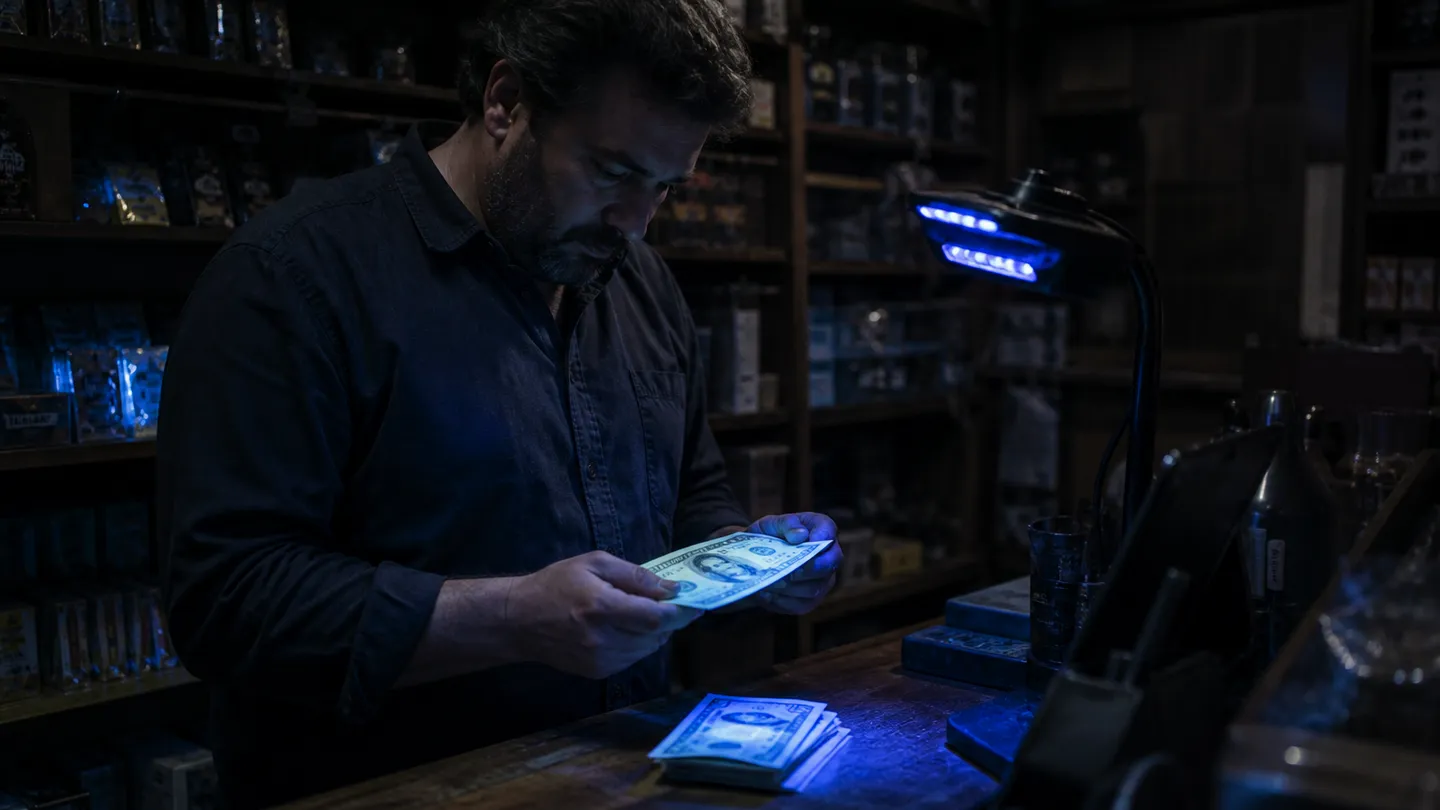
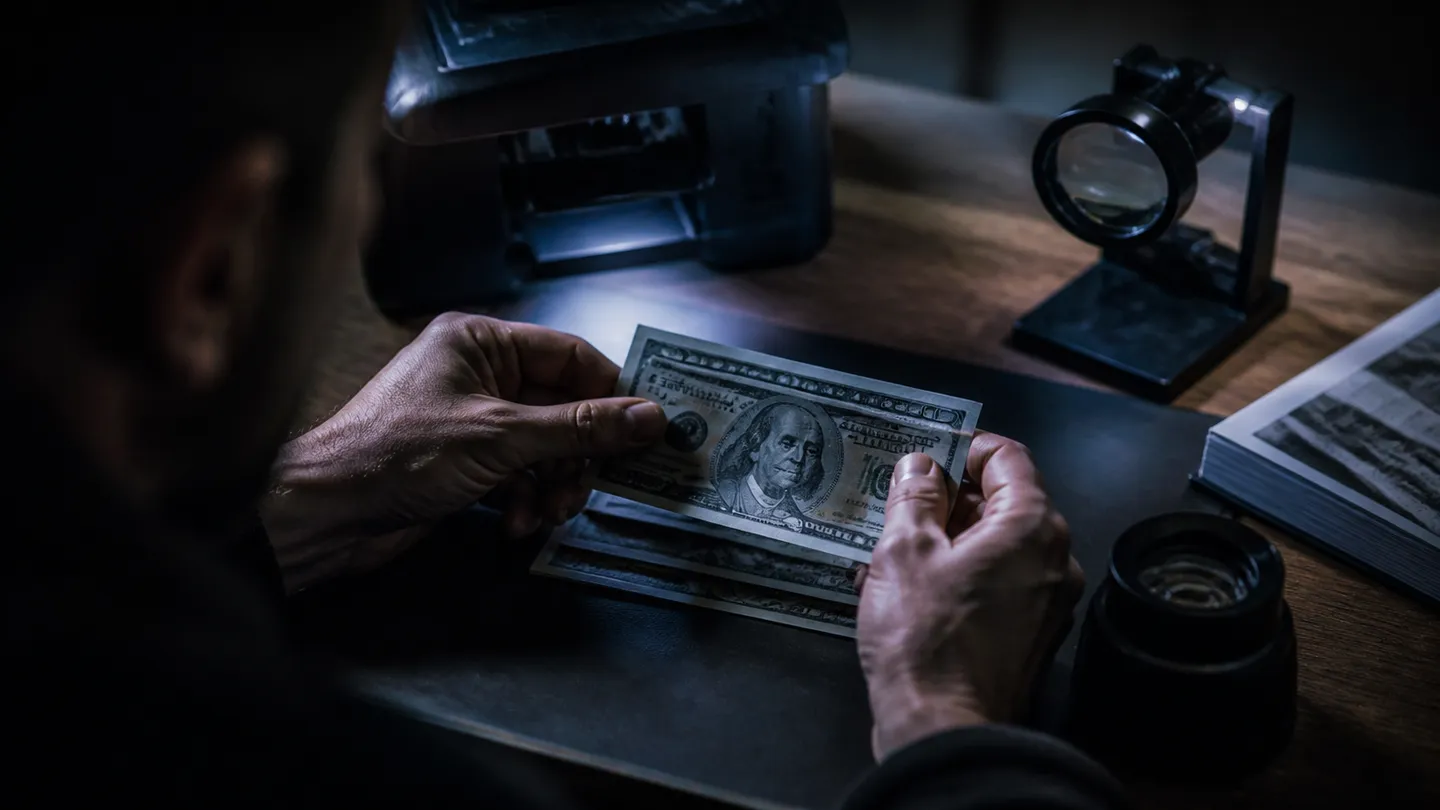
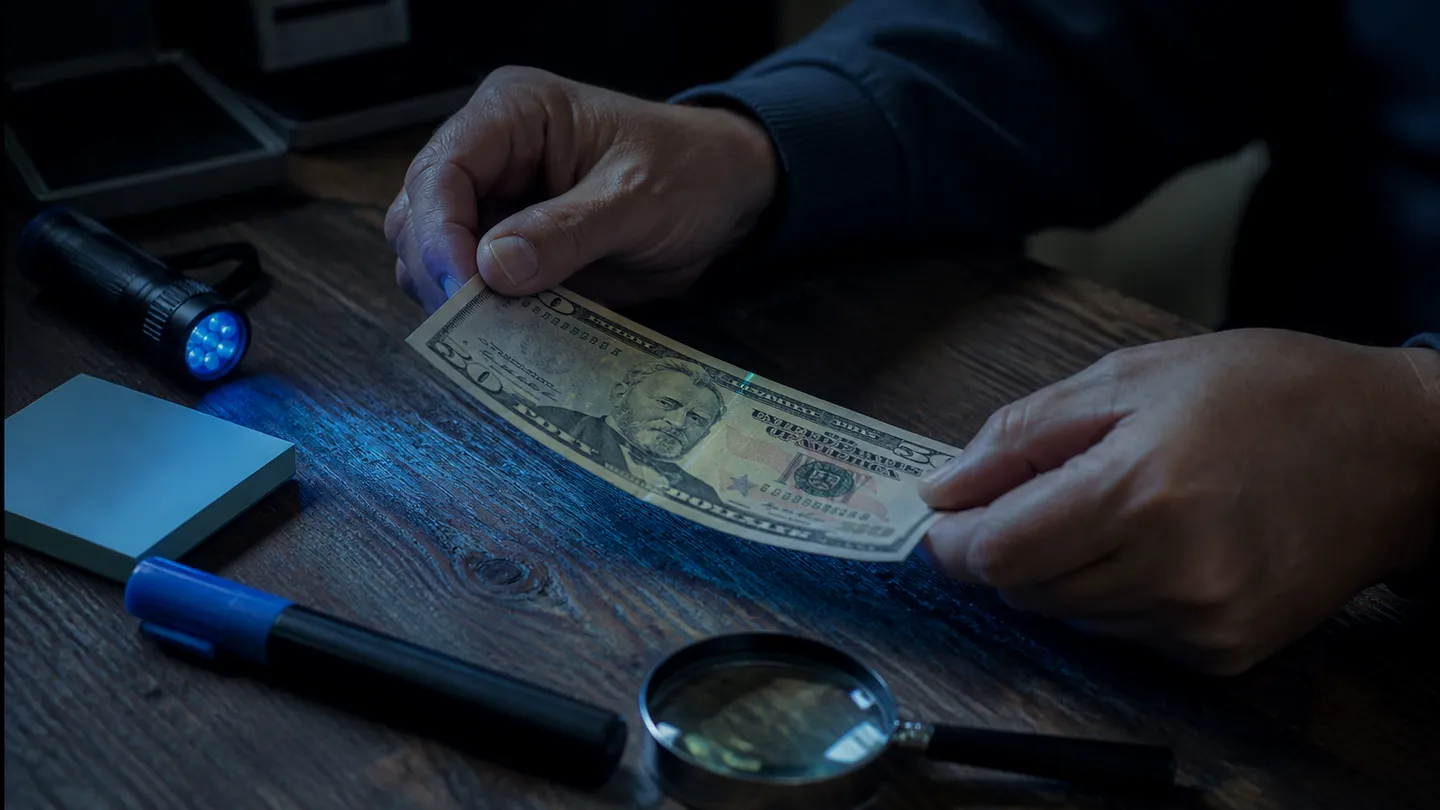
Choose clearly marked $100 prop money, not counterfeit currency. We recommend designs that look convincing on camera but are unmistakably non-spendable, with prominent "PROP" or "FOR MOTION PICTURE USE" markings, altered colour or layout, and clear seller descriptions; never carry or present realistic props where someone could mistake them for genuine money.
Best Realistic $100 Prop Bills at a Glance
When searching for realistic $100 prop money, it's essential to consider various options based on their intended use. Below is a comparison table of some of the best choices currently available, ranked by legitimate use cases rather than their ability to deceive.
| Product Name | Intended Use | Pack Size | Approx. Price | One-Sided / Two-Sided | Dimensions (inches) | Material | Visible Markings | Seller |
|---|---|---|---|---|---|---|---|---|
| Prop Money for Film | Film and photography | 100 bills | $30 | Two-Sided | 6.14 x 2.61 | Paper | "FOR MOTION PICTURE USE ONLY" | Various online retailers |
| Realistic Prop Money | Parties and events | 50 bills | $20 | Two-Sided | 6.14 x 2.61 | Paper | "PROP" | Amazon |
| Educational Prop Money | Teaching and demonstrations | 100 bills | $25 | One-Sided | 6.14 x 2.61 | Synthetic paper | "FOR MOTION PICTURE USE ONLY" | Educational suppliers |
| Fake Money for Magic Tricks | Magic shows and performances | 20 bills | $15 | Two-Sided | 6.14 x 2.61 | Paper | "PROP" | Specialty shops |
| Classic Prop Money | General use | 100 bills | $35 | Two-Sided | 6.14 x 2.61 | Paper | "FOR MOTION PICTURE USE ONLY" | Online retailers |
These options are designed to look convincing on camera without resembling genuine currency closely enough to be mistaken for legal tender. For instance, prop money used in films typically features clear markings stating "FOR MOTION PICTURE USE ONLY," ensuring compliance with regulations set by the U.S. Secret Service and the Bureau of Engraving and Printing. Materials like synthetic paper offer durability, while features such as colour-shifting ink and embedded security threads enhance realism without crossing legal boundaries.
Before purchasing, ensure that the product you choose is clearly marked and marketed for non-spendable use, as using realistic props in inappropriate settings can lead to serious legal consequences. Always verify the seller's reputation and the product details to ensure compliance with 18 U.S.C. § 504, which prohibits the use of counterfeit money. For further guidance on reliable sources, check our resource on Fake Money Website: Identifying Reliable Sources.
Top Picks for Movies, Photos, Parties, and Learning
Top Picks for Movies, Photos, Parties, and Learning
When selecting realistic $100 prop money for various settings, it’s crucial to consider the specific requirements of each scenario. We have outlined some top picks for films, photography, parties, and educational purposes, taking into account factors like camera distance, finish type, and visibility of markings.
For film and stage scenes, we recommend Prop Money for Film. This option typically comes in packs of 100 bills priced around $30. It features a two-sided design with the clear marking "FOR MOTION PICTURE USE ONLY," making it compliant with regulations. The matte finish works well under different lighting conditions, ensuring that it looks convincing on camera without being mistaken for real currency.
For close-up photography or social media videos, Realistic Prop Money is ideal. With 50 bills available for approximately $20, this option also has a two-sided design, but the glossy finish enhances the appearance under bright lights. The "PROP" label is visible, which is essential for maintaining clarity about its intended use.
At parties, Classic Prop Money can serve as an engaging decoration. Priced at about $35 for 100 bills, it features a two-sided design with the "FOR MOTION PICTURE USE ONLY" marking. This option can add a fun element to events without the risk of being mistaken for actual money.
For educational purposes, Educational Prop Money is specifically designed for classroom use. Available in packs of 100 for around $25, this one-sided option is marked clearly as "FOR MOTION PICTURE USE ONLY." It’s perfect for teaching students about currency without confusion, and its altered size can help reinforce lessons on money.
Lastly, if you need prop money for magic tricks, consider Fake Money for Magic Tricks. This option, usually 20 bills for about $15, is two-sided and marked as "PROP." It’s designed to look realistic enough for performances while ensuring it is not mistaken for legal tender.
Always ensure that the prop money you choose is clearly marked and intended for non-spendable use to avoid any legal issues. Remember to verify the seller's reputation and product descriptions to stay compliant with 18 U.S.C. § 504 regulations.
What “Looks Real” Should Mean for Prop Money
What “Looks Real” Should Mean for Prop Money
When we talk about prop money that "looks real," it's important to distinguish between visual credibility on camera and replicas that could potentially fool a cashier. Realistic $100 prop money should be designed to appear convincing in film or photography without passing close inspection or payment checks. The U.S. Secret Service and the Bureau of Engraving and Printing have strict guidelines to ensure that prop money cannot be mistaken for legal tender. This includes specific features that are not replicated in prop designs, such as embedded security threads, watermarks, and colour-shifting ink.
Myth vs. Fact: "For Motion Picture Use Only"
There’s a common myth that simply adding the phrase "For Motion Picture Use Only" automatically makes any replica legal. The truth is more nuanced. While this marking is essential to indicate that the money is not intended for actual use, it does not exempt the replica from compliance with laws such as 18 U.S.C. § 504, which prohibits the use of counterfeit money. Legitimate prop money should not only have this marking but also be designed in a way that it cannot easily be confused with real currency.
Key Features of Legitimate Prop Money
To enhance realism while maintaining legal compliance, we recommend looking for prop money that includes the following features:
- Print Quality: High-quality printing that captures the details of U.S. currency without replicating all security features.
- Colour Accuracy: The use of appropriate colours that match real $100 bills, while ensuring they do not mimic the exact hues used in genuine currency.
- Matte Finish: A matte finish can help the prop money look more realistic on camera, especially under different lighting conditions.
These elements can help create a convincing scene without crossing legal boundaries. Always check that the prop money is clearly labelled and marketed for non-spendable use, as using realistic props in inappropriate contexts can lead to serious legal repercussions.
Fake $100 Bill vs. Real: Security Features to Check
When evaluating the authenticity of a $100 bill, it's essential to understand the security features that distinguish real currency from counterfeit options. The redesigned $100 bill, which entered circulation in 2013, incorporates several advanced features aimed at preventing counterfeiting. We can rely on guidance from the U.S. Currency Education Program to identify these key characteristics.
Checklist of Security Features
- 3-D Security Ribbon: This blue ribbon is woven into the bill, featuring images of bells and 100s that shift as you tilt the note.
- Benjamin Franklin Watermark: A visible watermark of Benjamin Franklin can be seen when held up to the light, enhancing the bill's security.
- Color-Shifting Bell in the Inkwell: This feature changes colour from copper to green when the bill is tilted, adding an extra layer of complexity.
- Color-Shifting Numeral 100: The large numeral "100" in the lower right corner also shifts colour, providing another verification method.
- Raised Printing: The texture of the bill is distinct, with certain areas feeling raised to the touch, indicating authentic printing techniques.
- Embedded Security Thread: This thread runs vertically through the bill and glows pink under UV light, which is a clear indicator of its authenticity.
It’s important to remember that no single feature can confirm a bill's authenticity. Relying solely on a counterfeit-detection pen can be misleading, as these pens may not detect some sophisticated counterfeits.
Before using any prop money, ensure that it is clearly marked as non-spendable. Options labelled "For Motion Picture Use Only" or with similar markings are designed to comply with legal regulations and prevent confusion with genuine currency. For more detailed insights on identifying fake money, check our guide on Fake US Dollars: How to Spot Them.
Is Realistic $100 Prop Money Legal?
In the U.S., the legality of realistic $100 prop money is governed by specific regulations to ensure it cannot be mistaken for actual currency. Under 18 U.S.C. § 504, producing or using counterfeit money is illegal, but there are safe-harbour conditions for prop money. To comply, prop money must be a one-sided reproduction or sized less than 75% or more than 150% of the original bill's dimensions.
For instance, if we consider the standard $100 bill, which measures 6.14 x 2.61 inches, any prop money must either be smaller than 4.60 x 1.96 inches or larger than 9.21 x 3.92 inches to meet these criteria. This ensures that the prop money is clearly distinguishable from legal tender during use in films, parties, or educational settings.
While labels such as "copy" or "movie money" are helpful, they do not automatically make a same-size, two-sided replica lawful everywhere. It's essential to understand that simply marking prop money does not exempt it from scrutiny under the law. The U.S. Secret Service and the Bureau of Engraving and Printing provide guidelines to help individuals understand what constitutes legal prop money.
To avoid legal complications, we recommend purchasing prop money that is designed specifically for non-spendable use. Always check that the product you are considering adheres to these regulations and is clearly marked to prevent any potential confusion with real currency.
How Much $100 Prop Money Do You Need?
Determining the amount of realistic $100 prop money you need depends on the scene you are planning. We can break this down into a simple scene-planning table to help you visualise the total amounts required for various scenarios.
| Scene Type | Total Amount | Number of $100 Notes |
|---|---|---|
| Tabletop Shot | $10,000 | 100 |
| Briefcase Scene | $100,000 | 1,000 |
| Background Decoration | $1,000,000 | 10,000 |
For instance, if you want to represent $1 million using $100 bills, you will need 10,000 notes. It’s important to separate the printed face value from the actual quantity of product you receive, as many bundles might include blank filler paper to bulk up the appearance without providing real bills.
Examples of Scene Requirements
In a tabletop shot, 100 notes (representing $10,000) can create a visually appealing setup that looks convincing on camera. For a briefcase scene, 1,000 notes (representing $100,000) can fill the case adequately, ensuring the viewer perceives substantial wealth without confusion about the prop's authenticity.
For background decoration, using 10,000 notes to represent $1 million can create a dramatic effect, but remember to use them wisely. Instead of trying to pass props as genuine, consider how they contribute to the overall aesthetic of your scene. Always ensure that the prop money clearly states "FOR MOTION PICTURE USE ONLY" to avoid any legal issues, complying with regulations set by the U.S. Secret Service and the Bureau of Engraving and Printing.
Where to Buy Realistic $100 Prop Money Safely
When looking for realistic $100 prop money, there are several reliable sources to consider. Popular options include Amazon, Walmart, online specialty prop stores, and local party or theatrical-supply shops. However, it's crucial to focus on evaluating each listing rather than assuming local availability. This way, we can ensure that the prop money we purchase meets our needs and complies with legal standards.
Before making a purchase, we recommend verifying the following aspects of any listing:
- Front-and-Back Product Photos: Always check that the listing includes images of both sides of the prop money. This helps confirm that the prop is clearly marked and not designed to resemble real currency.
- Dimensions: Ensure the prop money adheres to legal requirements regarding size. Ideally, it should be either one-sided or sized less than 75% or more than 150% of the original bill's dimensions.
- Permanent Disclaimer Markings: Look for clear markings such as "FOR MOTION PICTURE USE ONLY" or similar phrases. This helps indicate the intended use and reduces the risk of confusion with legal tender.
- Return Terms: Confirm the seller's return policy in case the product does not meet your expectations.
- Pack Quantity: Check how many notes are included in the pack to ensure it aligns with your project needs.
- Seller Identity: Research the seller’s reputation. A well-reviewed seller indicates a higher chance of receiving a quality product.
Be cautious of listings that conceal the reverse side of the bills, claim that the bills can pass currency tests, or advertise them as usable in stores. Such claims often indicate a lack of compliance with regulations, which can lead to legal issues. By taking these precautions, we can safely purchase realistic $100 prop money for various uses, including film, photography, parties, or educational purposes.
What to Do If a Prop or Suspected Fake $100 Bill Is Mistaken for Real Money
It’s crucial to understand that prop money must never be used for payment, tips, deposits, or change. If you find yourself in a situation where a prop or suspected fake $100 bill is mistaken for real currency, here are steps to follow to ensure compliance and safety.
Separation and Labelling of Props
When using realistic $100 prop money on set, we recommend clearly separating and labelling all props. Designate a specific area for prop money storage, and use distinct markings to indicate that these notes are non-spendable. A label such as "For Motion Picture Use Only" is essential. This helps to prevent confusion during filming and ensures that everyone involved understands the nature of the props.
Accounting for Copies
Always account for all copies of prop money both before and after filming or events. Keeping a detailed inventory can help track the quantity of prop money used. For instance, if you start with 500 notes, ensure that all 500 are returned after use. This practice not only protects you from potential legal issues but also ensures that no prop money inadvertently enters circulation.
Handling Suspected Counterfeits
If you receive a suspected counterfeit bill during a transaction, do not attempt to spend or return it. Instead, follow the guidance provided by the U.S. Secret Service and your local law enforcement authorities. They have the necessary expertise to handle counterfeit situations safely and legally. Reporting the incident is vital, as it helps authorities track and combat counterfeiting activities.
In summary, by properly labelling and accounting for prop money, and knowing how to respond to suspected counterfeits, we can mitigate risks associated with using realistic $100 prop money. Always remember that safety and legality should be our top priority when handling any form of currency, even replicas.
Frequently Asked Questions About Realistic $100 Prop Money
Realistic $100 prop money does exist and is widely used in film, photography, and educational settings. The key is to ensure that it is clearly marked as non-spendable, making it unmistakable from real currency upon inspection. This is essential to comply with legal regulations and avoid any potential confusion with genuine bills.
Identifying Genuine $100 Bills
To distinguish a genuine $100 bill, one should look for several security features. These include the 3-D security ribbon, the Benjamin Franklin watermark, colour-shifting ink, the embedded security thread that glows under UV light, and raised printing. Each of these elements serves as a deterrent to counterfeiting and is crucial in verifying the authenticity of U.S. currency.
Legality of Online Marketplace Listings
When purchasing prop money from online marketplaces, it is vital to ensure that the listings comply with legal standards. Under 18 U.S.C. § 504, prop money must either be a one-sided reproduction or sized less than 75% or more than 150% of the original bill's dimensions. This means that for a standard $100 bill measuring 6.14 x 2.61 inches, any prop money must be smaller than 4.60 x 1.96 inches or larger than 9.21 x 3.92 inches. Always check that the prop money is labelled appropriately, such as "For Motion Picture Use Only," to avoid legal complications.
What Makes Suitable Movie Prop Money?
Suitable movie prop money should be realistic enough for the intended scene while being unmistakably non-negotiable. This means it should look convincing on camera but be clearly marked as prop money. We recommend focusing on options that have been designed specifically for film use, ensuring they meet the legal requirements outlined by the U.S. Secret Service and the Bureau of Engraving and Printing.
In summary, when selecting realistic $100 prop money, prioritise items that are clearly labelled as non-spendable and check for compliance with legal standards. This will ensure a smooth experience in your projects without any legal concerns.
Comparison of Realistic $100 Prop Money Options
| Intended Use | Visible Markings | Size Compliance | One/Two-Sided | Pack Quantity | Camera Suitability |
|---|---|---|---|---|---|
| Film | Yes | Less than 75% or more than 150% | One-sided | Varies | High |
| Photography | Yes | Less than 75% or more than 150% | One-sided | Varies | High |
| Parties | Yes | Less than 75% or more than 150% | One-sided | Varies | Medium |
| Education | Yes | Less than 75% or more than 150% | One-sided | Varies | Medium |
| Theatrical Use | Yes | Less than 75% or more than 150% | One-sided | Varies | High |
Common Mistakes and Misconceptions
Most mistakes are preventable.
Before buying or using prop notes, watch for these warning signs:
- No exact note count or explanation of bundle filler
- Product photographs that hide edges, reverse printing, or disclaimer placement
- Claims that visual realism proves legality
- No plan for collecting loose notes after use
Assuming a Marketplace Listing Has Been Legally Reviewed
People often trust a prominent marketplace listing because it appears established and has positive buyer feedback. Marketplace approval is not the same as confirmation that the note’s dimensions, printing format, and disclaimers follow federal reproduction rules. We advise comparing the delivered product with current official guidance before removing it from its packaging.
Treating a Printed Disclaimer as the Only Requirement
A conspicuous prop notice helps viewers recognise non-spendable money, but wording alone does not resolve every reproduction concern. Buyers can overlook size, whether both sides are printed, and how closely the design copies genuine currency. Before ordering, confirm each element separately rather than relying on a seller’s "movie money" label.
Judging Authenticity From Artwork Alone
People sometimes compare portraits and colours while ignoring the security elements built into genuine currency. A real note uses integrated features intended for authentication, whereas a suitable prop should become clearly identifiable as non-spendable when handled or inspected. We suggest using official real-currency guidance for comparison, not seller photographs or claims about passing casual inspection.
Confusing Face Value With the Quantity Supplied
A bundle may advertise an impressive face value while containing fewer printed notes than the presentation suggests. Blank paper, printed top sheets, or tightly wrapped filler can create bulk without providing usable props for individual shots. Check the exact printed-note quantity, filler arrangement, and bundle contents before planning a Seattle film scene, party display, or classroom exercise.
Assuming Props Will Stay Where They Are Used
Loose notes can leave a set in pockets, bags, rubbish, costumes, or equipment cases, especially when several people handle them. That can lead to a prop being presented or accepted as genuine elsewhere, even when nobody intended misuse. We recommend assigning one person to control distribution, restricting props to a marked area, and checking costumes, floors, and containers before anyone leaves.
Conclusions
Our priority is simple: choose a prop that cannot be mistaken for spendable currency.
- Match the prop to the shot, display, classroom activity, or party rather than chasing maximum realism.
- Prefer obvious non-currency design choices that remain visible when the note is handled, not merely when photographed closely.
- Order a sample before committing to a large pack, then inspect the delivered item instead of relying on listing language.
- Organise controlled storage and assign one person to distribute and recover every loose note, especially on a busy Seattle set.
- Never present prop money during a purchase, exchange, tip, deposit, or refund.
As a next step, compare seller types and buying checks in Realistic Fake Money for Sale: Where to Find It.
Straight answers
Is there fake money that looks real and is $100?
Yes, theatrical notes can suggest a $100 bill on camera while remaining visibly non-spendable. We recommend designs with prominent prop wording, altered artwork and other obvious differences rather than products intended to deceive cashiers or pass currency checks.
How to tell if a $100 bill is real or fake?
Check several features rather than trusting colour, paper feel or a counterfeit-detection pen alone. Compare the note with one obtained from a bank, examine it under good light, and ask a bank to inspect it if anything seems inconsistent; do not try to spend a suspicious note.
What does $1,000,000 look like in $100 bills?
It looks like multiple dense bundles rather than a single manageable wad, although the exact appearance depends on stacking, wrapping and whether every note is genuine. For a production, we suggest using clearly marked outer prop notes around neutral filler, then filming from an angle that never presents the bundle as spendable currency.
What is the most realistic fake money?
For legitimate use, the best option is not the replica closest to genuine currency but the prop that looks convincing at the planned camera distance. We would choose purpose-made screen money with altered details and visible non-currency wording, then use framing, lighting and depth of field to create the effect.
Is realistic $100 prop money legal?
It can be lawful to own and use prop money, but legality depends on its design, reproduction format and intended use. A disclaimer does not make every replica acceptable, and presenting any prop as payment can create serious legal problems, so we advise checking current federal guidance before ordering.
Can I buy realistic $100 prop money at Walmart or Amazon?
Listings may appear on either marketplace, but availability and product details can change. Before buying, we suggest checking photographs of both sides, the seller's stated dimensions, permanent prop markings, delivery terms and reviews that show the item actually received.
Where can I find realistic $100 prop money near me?
In Seattle, start with theatrical supply shops, costume retailers, party shops and local film-production rental companies rather than searching only for "fake money". Call ahead and ask whether the notes are clearly non-spendable, whether you can inspect both sides before purchase, and whether loose notes or bundles are available for your scene.