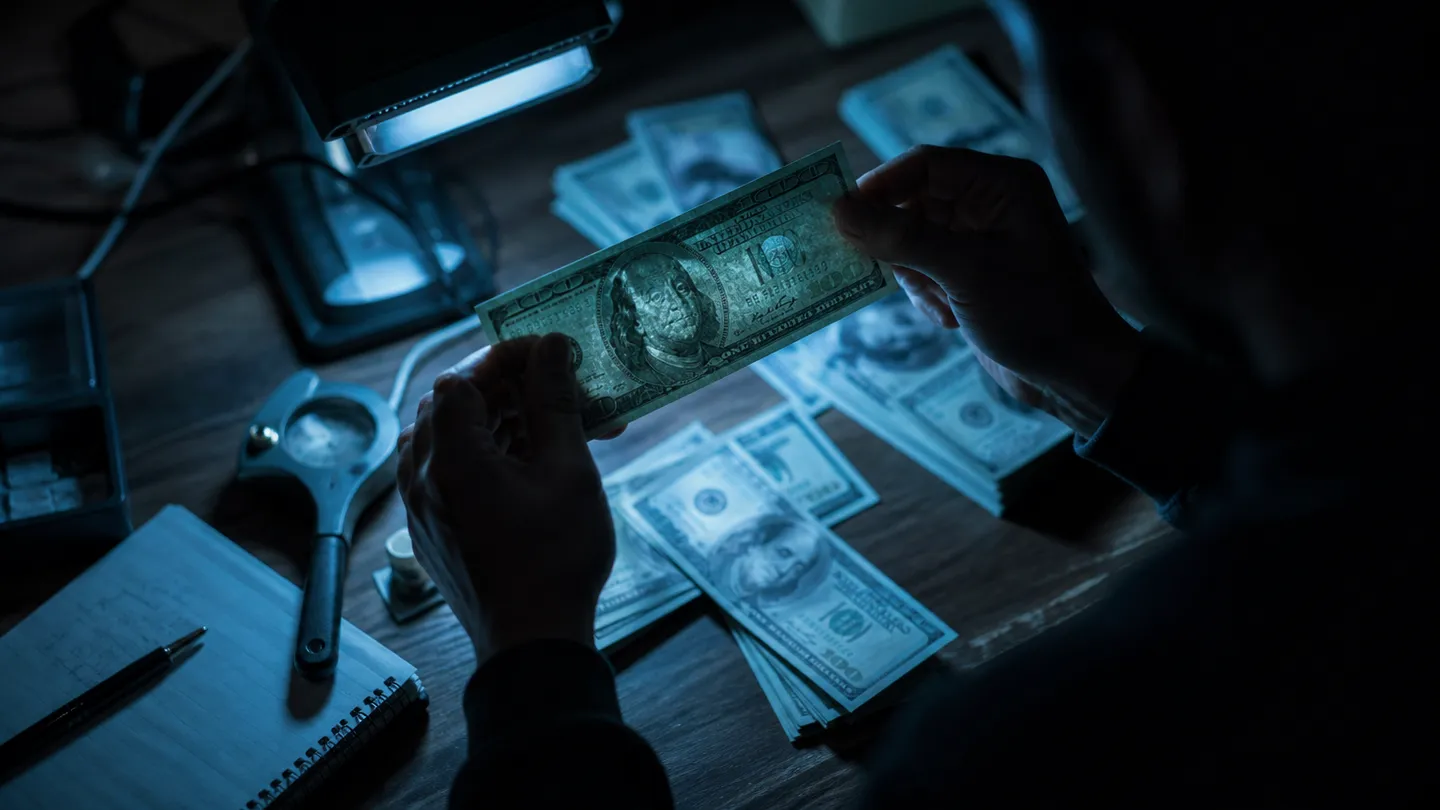
Prop money 100 dollar bills are imitation notes made for films, events, photography, and other visual uses, not for spending. Choose bills that look convincing on camera while carrying clear prop markings, and check the seller’s close-up images, materials, print quality, and stated legal compliance before ordering.
Best $100 Prop Money Options at a Glance
When selecting prop money, it’s crucial to compare various options to find the best fit for your project. Below is a comparison table featuring several products from specialist prop suppliers and major marketplaces. Each entry includes essential details such as price, printing type, disclaimer wording, aging options, pack size, shipping cost, return policy, and intended use. This overview is current as of October 2023.
| Product Name | Price per 100 Bills | Printing Type | Disclaimer Wording | Aging Options | Pack Size | Shipping Cost | Return Policy | Intended Use |
|---|---|---|---|---|---|---|---|---|
| Prop Money Co. | $29.99 | Double-sided | "For Motion Picture Purposes" | Yes | 100 | $5.00 | 30 days, unused | Films, photography, events |
| Motion Picture Money | $35.00 | One-sided | "Not Legal Tender" | No | 100 | Free on orders over $50 | 14 days, unused | Theatre, reenactments |
| eBay Seller A | $25.00 | Double-sided | "For Motion Picture Purposes" | Yes | 100 | $3.00 | 30 days, unused | Photography, events |
| Replica Currency Inc. | $40.00 | Double-sided | "Not Legal Tender" | Yes | 100 | $7.00 | 15 days, unused | Films, advertising |
| Amazon Marketplace | $32.50 | One-sided | "For Motion Picture Purposes" | No | 100 | Variable | 30 days, unused | Photography, content creation |
| Real Aged Prop Money | $50.00 | Double-sided | "Not Legal Tender" | Yes | 100 | $10.00 | 30 days, unused | Historical films, documentaries |
| Fake Money Warehouse | $28.00 | One-sided | "For Motion Picture Purposes" | No | 100 | $4.00 | 21 days, unused | Theatre, video production |
When choosing your prop money, consider factors like the intended use and whether you need aged bills for authenticity. Always verify the seller's reputation and read the product descriptions carefully to ensure compliance with legal standards, such as those set by the U.S. Secret Service under 18 U.S.C. § 504 and 31 CFR Part 411.
Which Type of Prop $100 Bill Fits Your Use Case?
Selecting the right type of prop $100 bill is essential for achieving the desired visual effect in your project. Different scenarios call for different types of prop money, whether you’re shooting a film, staging a theatre production, or creating content for social media. Understanding these options can help you make an informed choice.
Double-Sided Bills
Double-sided prop money is ideal for close-up shots, as it replicates the appearance of real currency from both sides. This type of bill typically features clear markings stating "For Motion Picture Purposes" or "Not Legal Tender," which is crucial to comply with legal regulations. For filmmakers and photographers aiming for authenticity, double-sided bills work well in scenes where the money will be prominently displayed.
One-Sided Bills
One-sided bills are more suitable for background scenes where the focus is not on the money itself. These bills can still look realistic in wider shots, especially when they are not the main subject. They often carry similar disclaimers but are less detailed than their double-sided counterparts. Content creators using these bills can save on costs while still enhancing the overall aesthetic of their scenes.
Aged Bills
If your project requires a historical or gritty feel, aged prop money can add authenticity to period pieces or crime dramas. These bills are designed to look worn and can be particularly effective in settings like vintage marketplaces or scenes depicting financial struggles. They usually come with double-sided printing and appropriate disclaimers to ensure compliance with regulations.
Bundled or Banded Stacks
For wide shots or scenes depicting large sums of money, bundled or banded stacks are the best choice. These options allow for a more dramatic presentation of cash without the need for individual bills to be closely examined. They are commonly used in music videos, theatrical performances, and décor for events.
Summary of Use Cases
- Films: Double-sided bills for close-ups; aged bills for historical accuracy.
- Photography: One-sided bills for background; double-sided for main subjects.
- Music Videos: Bundled stacks for dramatic effect.
- Theatre: One-sided or double-sided bills depending on visibility.
- Décor and Educational Displays: Aged or bundled bills to create thematic visuals.
Always remember, prop money must never be offered as payment, as it is strictly for visual purposes. Before making a purchase, ensure the bills comply with legal standards set by the U.S. Secret Service, particularly under 18 U.S.C. § 504 and 31 CFR Part 411.
How to Judge Realism Without Creating Confusion
How to Judge Realism Without Creating Confusion
When assessing the realism of prop $100 bills, several camera-facing qualities should be considered. Print sharpness is crucial; clear, crisp details enhance the overall appearance of the bills on screen. Colour consistency is also significant; the hues must closely mimic those of genuine Federal Reserve notes to avoid drawing attention. Pay attention to paper movement as well; prop money should have a similar texture and weight to real currency, allowing it to behave naturally when handled.
The edge finish of the bills can impact realism too. Bills with clean, well-defined edges look more authentic than those with rough or poorly cut finishes. Aging effects can add to the authenticity for specific scenes. Aged bills should show signs of wear and tear, such as slight discolouration or fraying. This can be particularly important for historical films where authenticity is key.
One often overlooked aspect is the appearance of repeated serial numbers on camera. If a prop money supplier uses the same serial number on multiple bills, it can detract from realism, especially in close-up shots. We recommend ensuring that the prop money you select features unique serial numbers to maintain a believable presentation.
Visible disclaimers are essential for prop money. Phrases like "For Motion Picture Purposes" and "Not Legal Tender" should be clearly printed on the bills. These markings not only comply with legal requirements but also help distinguish prop money from real currency. It's important to differentiate between screen realism and the ability to deceive; the latter is neither necessary nor appropriate for any project involving prop money.
By focusing on these qualities, we can select prop bills that not only look great on camera but also adhere to legal standards, ensuring a successful and professional outcome for any visual project.
One-Sided vs. Double-Sided Prop Bills
One-Sided vs. Double-Sided Prop Bills
When considering prop money, the choice between one-sided and double-sided bills can significantly impact your project. One-sided bills are generally easier to identify as props, making them suitable for static displays or scenes where the money is not the main focus. They often come with clear disclaimers, but the lack of detail on the reverse side means they may not hold up under close scrutiny, especially in situations where the bills might be flipped or handled.
Double-sided bills, on the other hand, provide a more authentic appearance, replicating the look of a real $100 bill from both sides. This type is particularly advantageous for close-up shots or when the money is being passed around on camera. The clear markings stating "For Motion Picture Purposes" or "Not Legal Tender" help ensure compliance with legal standards while still maintaining a convincing look.
To help you decide which type of prop bill suits your needs, we’ve prepared a simple suitability grid based on common shooting scenarios:
| Shot Type | One-Sided Bills | Double-Sided Bills |
|---|---|---|
| Close-Up | Not Ideal | Ideal |
| Medium Shot | Suitable | Ideal |
| Background Shot | Suitable | Not Necessary |
For filmmakers and photographers, understanding these distinctions can guide your selection process. If you're shooting a scene where money will be prominently displayed, double-sided bills will likely give you the realism you need. However, for background scenes or static stacks, one-sided bills can be a cost-effective option without compromising the visual impact.
Regardless of your choice, always ensure that the prop money complies with the legal requirements set by the U.S. Secret Service, particularly under 18 U.S.C. § 504 and 31 CFR Part 411. This ensures that your project remains professional and adheres to regulations while still achieving the desired aesthetic.
Where to Buy Prop Money 100 Dollar Bills
When looking to purchase prop money $100 bills, various options are available, each with its own advantages and potential drawbacks. We can compare specialist film-prop stores, general marketplaces, eBay, and local theatrical suppliers to find the best fit for our needs.
Specialist film-prop stores typically offer high-quality prop money that adheres to legal standards. They often provide double-sided printing, ensuring realism for close-up shots. However, prices can be higher, ranging from $29.99 to $50.00 per pack of 100 bills. These stores usually have clear disclaimer wording like "For Motion Picture Purposes" or "Not Legal Tender," which is crucial for compliance.
General marketplaces like Amazon and eBay present a mixed bag. While prices can be competitive, quality may vary significantly. Listings on eBay, for example, range from $25.00 to $35.00, but it’s essential to verify the seller's reputation. Items from these platforms might not always meet the same standards as those from specialist stores, making it important to check product descriptions carefully.
Local theatrical suppliers can be a great resource, especially for those in the Seattle area. These suppliers often stock prop money suitable for theatre productions and events. Prices can be reasonable, and purchasing locally allows for immediate inspection of the product. However, availability may be limited, and we should ensure that the bills comply with legal disclaimers.
Seller-Verification Checklist
Before making a purchase, we recommend using the following checklist to verify the credibility of the seller:
- Real Product Photos: Ensure the listing includes clear images of the actual product.
- Exact Disclaimer Text: Look for phrases like "For Motion Picture Purposes" or "Not Legal Tender."
- Pack Count: Confirm the number of bills per pack, usually 100.
- Shipping Origin: Check where the item is being shipped from to estimate delivery times.
- Returns: Understand the seller’s return policy in case the product does not meet expectations.
- Current Seller History: Review feedback and ratings from previous buyers to gauge reliability.
- Avoid Claims: Be cautious of listings claiming the bills are "undetectable" or "pass tests," as these can indicate non-compliance with legal standards.
By following this checklist, we can make an informed decision when purchasing prop money, ensuring that it meets our project's needs while adhering to legal requirements set forth by the U.S. Secret Service under 18 U.S.C. § 504 and 31 CFR Part 411.
Price, Pack Size, and What “Worth It” Means
Price, Pack Size, and What “Worth It” Means
When considering the purchase of prop money, specifically $100 bills, it's essential to evaluate the unit price and landed cost based on the pack size. Common pack sizes include 10, 100, and 1,000 bills, with prices varying significantly. For example, a pack of 100 bills typically ranges from $25.00 to $35.00, while larger packs may offer a lower unit price per bill. Calculating the cost per bill can help us assess the best value for our needs.
Prop bills do not have a face value, meaning their worth is determined not by how closely they resemble real currency but by factors such as usability, print consistency, required quantity, shipping costs, and suitability for the intended camera distance. For instance, if we're shooting a scene that requires a significant amount of money on screen, purchasing a larger pack might be more economical and visually impactful than multiple smaller packs.
When evaluating prop money, we should also consider the quality of the bills. Double-sided printing is generally preferred for close-up shots, as it offers a more authentic look, while one-sided bills might suffice for background scenes. The choice between these options can influence the overall aesthetic and realism, especially in projects where the details matter.
Shipping costs can also play a crucial role in determining the landed cost. We recommend checking multiple suppliers, including eBay and specialist prop money retailers, to find competitive shipping rates. It's important to factor in these additional costs when budgeting for our project.
In summary, determining what makes prop money "worth it" involves assessing the total cost based on pack size, the quality of printing, and the suitability for our specific project requirements. By carefully calculating these elements, we can ensure we are making an informed purchase that aligns with our creative vision.
Legal and Responsible Use of $100 Prop Money
Prop money, including $100 bills, is designed strictly for visual purposes in films, photography, and events. It is essential to understand that prop money cannot be used legally to pay for goods, tips, deposits, or debts. This restriction is outlined in the guidance provided by the U.S. Secret Service, which reinforces that any form of currency used for transactions must be legitimate.
According to 18 U.S.C. § 504, the production and distribution of replica currency must comply with specific regulations to avoid confusion with real money. This law stipulates that prop money must be clearly marked to indicate it is not legal tender. Additionally, 31 CFR Part 411 provides further details on the design and use of such currency, emphasizing the importance of clear disclaimers like "For Motion Picture Purposes" and "Not Legal Tender" on the bills.
When purchasing prop money, we must avoid assuming that a marketplace listing is automatically legal. Each seller may have different compliance levels, and we should always verify that the prop money adheres to legal requirements. Keeping prop money controlled on set and away from real cash is also crucial. This practice not only prevents accidental misuse but also maintains professionalism during production.
Guidelines for Responsible Use
- Control on Set: Ensure prop money is stored securely and only accessible to designated crew members.
- Clear Disclaimers: Look for prop bills that have the necessary disclaimers printed clearly on them.
- Avoid Misunderstandings: Educate your team about the legal implications of prop money to prevent any misuse on set.
By adhering to these guidelines, we can responsibly use $100 prop money in our projects while remaining compliant with the law. Understanding the legal framework surrounding prop money helps ensure that our creative endeavours are both effective and lawful.
Claims and Myths to Check Before Buying
Claims and Myths to Check Before Buying
Before purchasing prop money, it's essential to address several common claims and myths that can lead to misunderstandings about what is legal and acceptable. One prevalent belief is that prop money is legal simply because it states "motion picture use." While bills marked for this purpose are designed to avoid confusion with real currency, the presence of this disclaimer does not give buyers free rein to use them as payment. The U.S. Secret Service enforces strict regulations regarding the use of replica currency, underscoring that such bills cannot be used for transactions under any circumstances.
Another myth is that all genuine $100 bills feature a blue stripe. In reality, the current-design $100 note includes a blue 3-D Security Ribbon, which is a key security feature. However, older versions of the $100 bill may lack this element entirely. Thus, while a prop bill might resemble genuine currency, it may not accurately reflect the security features of the current design. It's crucial to ensure that the prop money you purchase is compliant with the legal standards set forth by 18 U.S.C. § 504 and 31 CFR Part 411.
Some buyers might assume that a prop bill's size automatically makes it legal. However, the dimensions of the bill do not determine its legality. For instance, replica currency must be clearly distinguishable from real money, and this often includes specific markings such as "Not Legal Tender." Without these disclaimers, there is a risk of misinterpretation, which could lead to legal complications.
To summarise, when considering prop money, we should carefully evaluate the claims made by sellers. Always look for clear disclaimers and ensure compliance with legal standards to avoid any potential issues. By understanding these claims and myths, we can make informed decisions that align with our creative projects while adhering to the law.
Frequently Asked Questions
When purchasing prop money, particularly $100 bills, it's common to have questions about safety and proper usage. One key concern is what to do if you receive a suspected fake or prop bill unexpectedly. In such cases, do not attempt to spend or return it to circulation. Instead, preserve all relevant transaction details, including receipts and communication with the seller. Following this, it's advisable to consult the current guidelines provided by your bank or local law enforcement to ensure appropriate steps are taken.
Many buyers wonder about the legality of using prop money. It's crucial to understand that prop money is strictly for visual purposes in films, photography, and events. According to the U.S. Secret Service, prop bills must clearly state that they are "Not Legal Tender" and are marked for "For Motion Picture Purposes." This ensures compliance with 18 U.S.C. § 504 and 31 CFR Part 411, which regulate the design and distribution of replica currency. Always verify that the prop money you purchase adheres to these legal standards to avoid any potential issues.
Another common question pertains to the quality and realism of prop money. Buyers often seek bills that are double-sided printed for authenticity, especially for close-up shots. However, one-sided bills can be a cost-effective option for background scenes. It's essential to assess the specific needs of your project to determine which type of prop money will work best. Checking seller reviews and product descriptions can help ensure that you choose high-quality options that meet your visual requirements.
Lastly, some may wonder about the best places to buy prop money. While eBay and Amazon can offer competitive prices, we recommend checking specialist film-prop stores for higher quality and compliance with legal standards. Local theatrical suppliers may also provide suitable options, allowing for immediate inspection before purchase. By considering these factors, we can make informed decisions that align with our creative projects while adhering to legal requirements.
Comparison of $100 Prop Money Options
| Landed Cost per 100 Bills | Disclaimer Visibility | Print Sides | Aging | Return Terms |
|---|---|---|---|---|
| $25.00 - $35.00 | Clear disclaimers required | Double-sided preferred | Depends on usage | Varies by seller |
| $30.00 - $40.00 | Must state 'Not Legal Tender' | One-sided for background | Aging options available | Check return policy |
| $20.00 - $30.00 | Includes 'For Motion Picture Use' | Double-sided for close-ups | Depends on seller | Limited returns |
| $35.00 - $45.00 | Visible disclaimers necessary | Single-sided for distant shots | Depends on project | Flexible return options |

Common Mistakes and Misconceptions
Treating "Realistic" as a Measurable Product Feature
Realism is not a specification. Marketplace sellers may use "realistic" for anything from convincing screen graphics to novelty paper that only resembles currency at a distance. We advise requesting current images of the front, reverse, edges, and printed disclaimers, then judging them against the planned framing and lighting.
Assuming "Legal" Is a Seller Certification
The word "legal" proves little by itself. A listing may use it to describe the seller’s intended purpose rather than the design, markings, or acceptable use of the supplied bills. We should examine the actual product photographs and written description instead of treating a vague claim as evidence of compliance.
Comparing Listings Without Recording the Date and Variant
Listings can change between comparison and checkout. Sellers may replace photographs, alter pack contents, or group several print styles on one product page, making an older comparison misleading. Before choosing, we recommend recording:
- The date the listing was checked
- The exact design or variant selected
- Front and reverse printing
- Placement and visibility of disclaimers
- Delivery charges and return conditions
Using the Same Prop Bills for Every Camera Distance
One design rarely suits every shot. For close-ups, we should inspect typography, colour, paper appearance, reverse printing, and how prominently the prop markings appear; medium shots depend more on consistency, while background scenes mainly need a recognisable shape and colour pattern. Matching each bundle to the shot list avoids paying for unseen detail or discovering distracting flaws during editing.
Trusting Product Photographs While Ignoring Seller Red Flags
Convincing photographs can conceal an uncertain purchase. Warning signs include missing reverse-side images, cropped disclaimers, inconsistent product titles, unclear variant selection, and refusal to confirm which design will be dispatched. Before paying, we should save the listing description and obtain written clarification wherever the photographs and specifications disagree.
Storing Prop Bills Like Ordinary Event Decorations
Loose props can leave a set unnoticed. For a Seattle event or location shoot, we suggest keeping them in a labelled container, assigning one person to issue and collect them, and never placing them in wallets, tills, tip jars, or containers holding genuine cash. After the project, we should reconcile the remaining props and securely store or destroy anything no longer needed.
Conclusions
Start with the shot list.
- Choose detail for the camera distance: close-ups need convincing front-and-back printing, while wide scenes can use simpler designs.
- Treat seller labels as marketing, not proof; inspect current photographs, prop markings, selected variants, delivery costs, and return conditions.
- Before checkout, save the listing and confirm exactly which design will arrive, especially when one page contains several versions.
- Keep the bills separate from genuine cash, appoint a crew member to manage them, and count everything after filming or an event.
For the next step, use our Fake Money Website: Identifying Reliable Sources guide to assess a seller before placing an order.