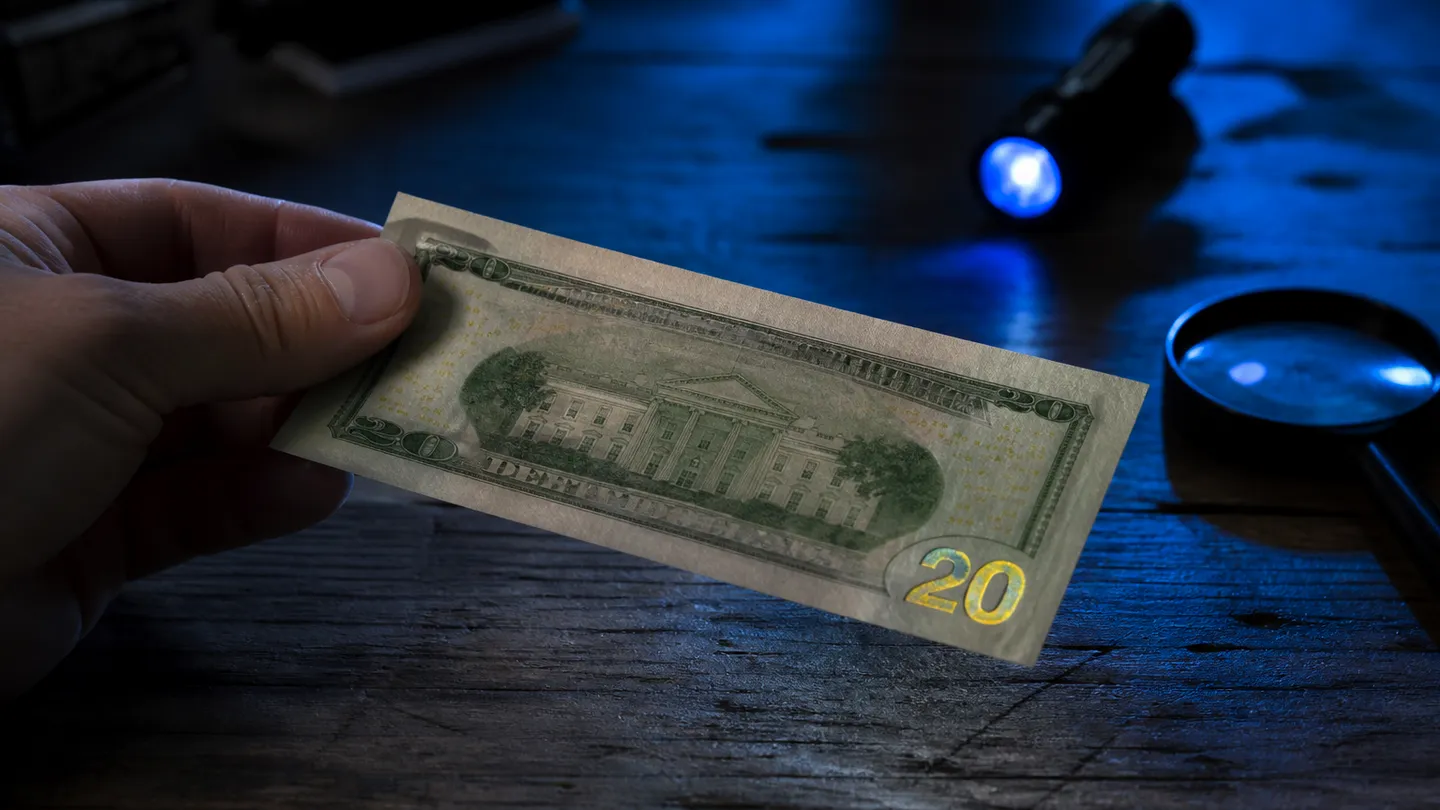
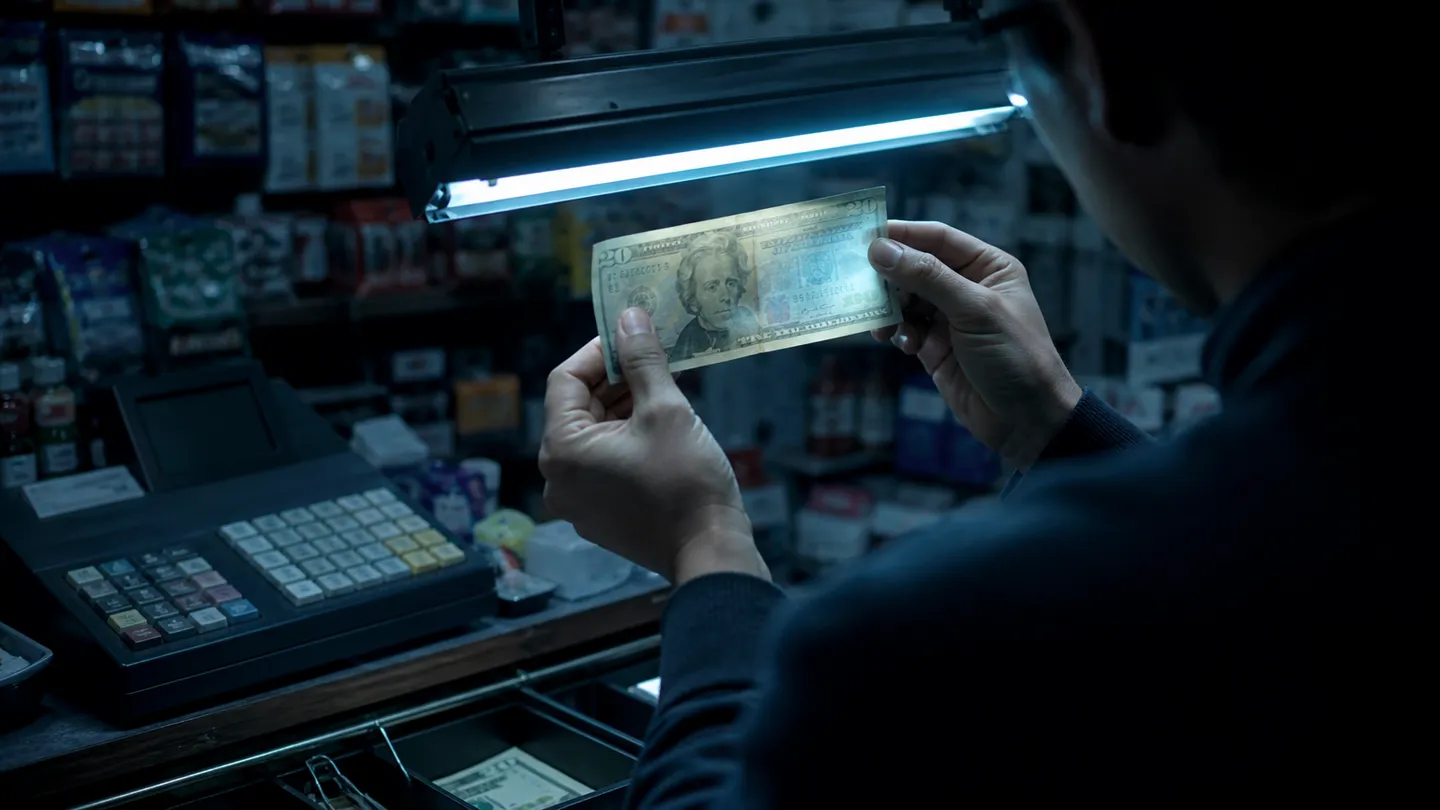
For most buyers, we recommend clearly labelled prop notes from a reputable online marketplace: they allow convenient comparison, while qualifying Amazon listings must identify reproductions, permanently mark notes "COPY," and follow one-sided and size restrictions[1]. Choose a specialist prop supplier when close-ups require a particular denomination or finish, or buy locally when timing matters and you can inspect the actual item. Before paying, verify seller details, returns, and protected payment options[2].
Where to Buy Realistic Prop Money: Quick Comparison
| Seller | Markings | Denominations | Pack Size | Price | Shipping |
|---|---|---|---|---|---|
| Amazon | Marked 'COPY' | $1, $5, $10, $20, $50, $100 | Varies | $10 - $50 | Varies |
| eBay | Marked 'COPY' | $1, $5, $10, $20, $50, $100 | Varies | $15 - $60 | Varies |
| Prop Money Shop | One-sided, legal size | $1, $5, $10, $20, $50, $100 | 50 or 100 bills | $30 - $100 | Flat rate |
| Fake Money Bank | One-sided, legal size | $1, $5, $10, $20, $50, $100 | 100 bills | $40 - $120 | Flat rate |
| Local Party Supply Stores | Varies | $1, $5, $10, $20, $50, $100 | Varies | $20 - $80 | In-store only |
Where to Buy Realistic Prop Money: Quick Comparison
For realistic prop money, we suggest purchasing from established film-prop suppliers, reputable marketplaces, or local theatrical and party-supply stores. Avoid sellers offering spendable counterfeit notes, as they violate federal laws regarding currency reproduction. Here’s a comparison of several options based on publicly verifiable criteria.
Amazon offers prop currency marked "COPY," which includes denominations of $1, $5, $10, $20, $50, and $100. Prices range from $10 to $50 depending on the pack size and denomination, with shipping varying based on location[1]. eBay also provides similar options, with prices between $15 and $60, and varying pack sizes. Both platforms allow convenient comparisons but be sure to check seller ratings and return policies.
The Prop Money Shop sells one-sided, legal-size prop money that meets federal regulations. They offer denominations from $1 to $100, with pack sizes of 50 or 100 bills, priced between $30 and $100, with a flat shipping rate. Fake Money Bank provides a comparable selection, also featuring one-sided, legal-size notes at a price range of $40 to $120 for 100 bills, with flat-rate shipping.
Local party supply stores can be a quick option, offering a variety of denominations. Prices typically range from $20 to $80, but availability may vary, and items are only available for in-store purchase.
When choosing where to buy, consider your specific needs, such as the required denominations and whether you need the notes for close-up shots or general use. Always verify seller details and ensure they comply with legal requirements before making a purchase.
Best Places to Buy Legal Prop Money
When looking for realistic-looking prop money, there are several options, each with its own advantages and limitations. Specialist prop-money stores are ideal for buyers needing high-quality, close-up shots. These retailers typically offer a wide range of denominations, including aged bills and banded stacks. However, they may come at a higher price, often ranging from $30 to $100 for packs of 50 or 100 bills. This channel is best for film productions or theatrical performances requiring authenticity.
Production-supply houses offer a similar selection but may provide bulk options, such as mixed-denomination packs, which can be useful for various projects. Pricing is generally in the same range, but availability can vary, making it essential to plan ahead.
Amazon and eBay are convenient marketplaces for prop money. They allow users to compare options easily, with prices typically between $10 and $60 depending on the pack size and denomination. Listings must clearly mark the notes as "COPY" and follow federal regulations regarding size and one-sided illustrations[1]. This option is suitable for buyers who need basic play money or for quick purchases, but it's crucial to check seller ratings and return policies for reliability.
Local retailers, such as party supply stores, can provide immediate access to prop money. Availability may vary, and prices usually range from $20 to $80. This option works well for last-minute needs but may not offer the same quality or variety as online sources.
In summary, for close-ups or specific requirements, specialist stores are recommended. For bulk stacks or mixed denominations, production-supply houses excel, while Amazon and eBay are practical for general purchases. Local retailers serve best for urgent needs, but quality may be compromised. Always ensure compliance with regulations to avoid issues with counterfeit laws[3].
What “Looks Real” Should Mean for Prop Money
When we talk about prop money that "looks real," it's essential to distinguish between items designed for camera realism and those that could deceive. While convincing colour, scale, texture, and artwork are critical for creating authentic-looking visuals, legal prop money must remain identifiable as a replica. This means that while the prop may appear realistic on screen, it should not be easily mistaken for genuine currency. For example, U.S. regulations specify that illustrations of currency must be one-sided and either less than three-fourths or more than one-and-one-half times the genuine note's linear dimensions[3].
Understanding common terms in prop money listings can help us make informed choices. "Full print" indicates that the prop is printed in a way that covers the entire note, while "double-sided" means both sides are printed, enhancing realism. "Aged" refers to notes designed to look older, which can be useful for period pieces. "Close-up" notes are tailored for detailed shots, whereas "blank filler" may simply serve to fill space without detail. "Motion Picture Use Only" highlights that the prop is intended solely for film and not for use in transactions.
For close-up photographs, features like texture and detailed artwork matter significantly, as they can enhance the realism captured on camera. In contrast, for distant stage scenes, the overall colour and scale will be more important than intricate details. When selecting prop money, we need to consider the intended use—whether for photography, theatre, or educational purposes—to ensure we choose the right product that adheres to legal guidelines while meeting our creative needs.
How to Check Whether a Seller Is Trustworthy
Before purchasing prop money, it's crucial to assess the reliability of the seller. We suggest following a checklist to ensure you're making a safe and informed decision. First, look for clear product photos that accurately represent the item being sold. It’s essential that the prop money has visible replica markings, as this indicates compliance with legal standards. Additionally, the seller should explicitly state that the money is for entertainment use only, which aligns with federal regulations.
Verify the seller's contact details and ensure they are easily accessible. A trustworthy seller will provide clear business contact information and have a documented return policy. Secure payment options are also vital; using a credit card or a payment method that offers buyer protection can safeguard you against potential fraud. Shipping terms should be transparent, detailing costs and estimated delivery times.
Be cautious of claims such as “passes pens,” “works in ATMs,” “1:1 spendable,” or “undetectable.” These assertions can indicate a seller who may not adhere to legal standards or may be attempting to sell counterfeit items. Moreover, sellers who only accept cryptocurrency payments or do not provide sufficient seller information should raise red flags. High ratings or positive reviews alone do not guarantee the legality or quality of the product, so it’s important to conduct thorough research before making a purchase.
To summarise, ensure that the seller meets the following criteria before buying prop money:
- Clear product photos
- Visible replica markings
- Stated entertainment use
- Business contact details
- Secure payment options
- Transparent shipping terms
- Documented return policy
By following this checklist, we can minimise the risk of purchasing from untrustworthy sources and ensure compliance with legal requirements.
How to Choose the Right Bills for Your Project
Selecting the appropriate prop money for your project is crucial. Different scenarios, such as film close-ups, music videos, theatre performances, parties, or educational contexts, may require varying features in prop bills. For example, if you need close-up shots for a film or video, high-quality, realistic-looking bills are essential. In contrast, for a classroom setting, more basic options may suffice.
When evaluating denominations, consider the differences between $20 and $100 bills. The $100 bill is often used for high-stakes scenes, while the $20 bill can be more versatile for general use. It's also worth noting that the finish of the bills can impact their appearance on camera. New finishes present a clean, crisp look, while RealAged-style finishes offer a worn and authentic feel, which can be ideal for period pieces or specific thematic events.
Additionally, think about how you want to receive the bills. Loose bills can be easier to handle and distribute, while 100-note stacks can provide a more realistic bulk for scenes requiring large amounts of cash. Some suppliers also offer printed outer notes with blank fillers, which can be an economical choice for scenes where not all notes will be prominently displayed.
Before making a purchase, ensure you confirm the pack quantity, whether both sides of the bills are printed, and the placement of visible disclaimers. This is crucial as it affects how prominently the money will appear on camera. Remember, under federal regulations, prop currency must be marked as a replica to avoid issues with legality[3].
In summary, the right choice of prop money hinges on your specific project requirements. Whether you need realistic close-ups or simply some decorative bills, understanding these nuances will help us make an informed decision.
Is Realistic Prop Money Legal to Buy and Own?
Realistic prop money is legal to buy and own in the United States, provided it meets specific federal regulations. Under 31 CFR § 411.1, any illustration of U.S. currency must be one-sided and either less than three-fourths or more than one-and-one-half times the genuine note's linear dimensions. This ensures that the prop money remains identifiable as a replica rather than resembling real currency. It’s also important to note that any materials used to create these illustrations must be destroyed after their final use to comply with regulations[3].
The legality of prop money also hinges on the intent behind its use. Under 18 U.S.C. §§ 471–472, possessing or passing counterfeit currency with the intent to defraud is illegal and can lead to severe penalties, including imprisonment for up to 20 years[4][5]. Therefore, the distinction between lawful prop money and counterfeit currency is clear: lawful props are intended solely for entertainment, education, or artistic purposes, while counterfeit money is created for deception.
A common misconception is that prop money labeled "Motion Picture Use Only" is automatically legal. This label does not guarantee compliance in every situation; it simply indicates the intended use. Buyers should always verify that the prop money adheres to legal guidelines, as a seller's claim or a printed phrase does not ensure that the product is compliant with federal laws[6].
In summary, while realistic prop money can be legally purchased and owned, we must ensure it follows federal regulations and is used appropriately to avoid legal complications.
Buying Prop Money Near You vs. Online
Finding prop money locally can be advantageous if you want to inspect the quality and markings in person. Local theatrical suppliers, costume shops, and party stores often carry prop money that adheres to federal regulations. This allows you to verify that the notes are clearly marked as replicas, which is essential for compliance with laws such as 31 CFR § 411.1. Additionally, production-rental companies may have stocks of prop money suitable for film and theatre, and you might find authorized pickup options that facilitate immediate access.
One of the benefits of purchasing locally is the ability to physically inspect the print quality and markings before buying, ensuring that you receive a product that meets your needs. However, local options may have a limited selection compared to online marketplaces, where you can easily compare prices and variety. Prices in local stores typically range from $20 to $80, depending on the quality and quantity of bills available.
For local purchases, we recommend following a brief inspection checklist:
- Ensure the bills are marked as replicas.
- Check for quality printing and realistic details.
- Keep the receipt and original packaging for future reference.
While local buying is great for immediate needs, online shopping provides broader options and often more competitive pricing, typically between $10 and $60 for packs. This is particularly useful for larger projects or when specific denominations are required. In conclusion, local purchases are best for urgent needs where inspection is crucial, while online shopping excels in selection and price comparison.
Safety, Storage, and Accidental Use
Keeping prop bills separate from genuine cash is crucial to avoid any accidental use. We recommend storing prop money in clearly labeled packaging, which can help differentiate it from real currency. Additionally, conducting a brief briefing with the cast and crew about the handling of prop money will ensure everyone understands its purpose and the importance of not mixing it with real cash. It is also wise to account for every bundle used on set, maintaining a record of how many bills were distributed and to whom.
In the unfortunate event that a prop bill or a suspected counterfeit note is accidentally offered as payment, it is essential to stop the transaction immediately. Do not attempt to pass it elsewhere, as this could lead to serious legal consequences. Instead, follow the guidance of the merchant, bank, or relevant authority. If you receive a suspected counterfeit note, the Federal Reserve advises limiting handling, placing it in a protective envelope, and storing it apart from genuine money[7][8]. The note should only be surrendered to an identified police officer or a Secret Service agent for further investigation.
We should be aware that counterfeit-detection pens are not always reliable. The Federal Reserve warns that they can produce false results; thus, we should rely on the genuine currency's security features, such as watermarks and security threads, for verification[7]. While ATMs are equipped to detect counterfeit bills, it is crucial to understand that using prop money in these machines is illegal and could lead to significant legal issues. In summary, proper safety and storage practices are vital for using prop money effectively and legally.
Frequently Asked Questions About Realistic Prop Money
Understanding the intricacies of realistic prop money is essential for ensuring compliance with legal standards and achieving the desired effect in our projects.
One common question is whether prop money can be legally purchased and owned. Yes, it is legal in the U.S. as long as it adheres to specific federal regulations, such as being one-sided and appropriately sized[3]. The intent behind its use is crucial; prop money must be for entertainment or educational purposes, not for deception[4][5].
Accidental payment with prop money can lead to serious consequences. If a prop bill is mistakenly accepted as genuine currency, we should not attempt to pass it elsewhere. Instead, follow the merchant's instructions and report the incident to authorities if necessary[7].
For those looking to buy locally, options include theatrical suppliers and party stores. However, online marketplaces like Amazon also offer a variety of prop money, provided it is clearly marked as a replica[1]. Always inspect product listings for compliance with legal standards, especially when considering close-up use in film or photography.
It's important to note that some products may lack the "Motion Picture Use Only" wording, yet still be compliant; thus, we should verify their specifications. The term "realistic" refers to the suitability for visual production, not the ability to circulate as genuine currency.
For a detailed comparison of sellers and to ensure legal safety, refer back to our seller-comparison table and legal-safety checklist. This will help us make informed decisions when purchasing prop money that meets our creative needs while adhering to the law.
Pros and Cons
- Pros
- Realistic prop money can look convincing in film close-ups while visible replica markings help distinguish it from genuine cash.
- Online sellers offer a broader choice of denominations, finishes and pack formats than most local shops.
- Loose notes suit handling scenes, while bundled stacks create the appearance of larger cash volumes.
- Clear photographs, secure payment options and documented return terms make reputable sellers easier to assess.
- What doesn't
- A "Motion Picture Use Only" label alone does not confirm that a product complies with federal requirements [6].
- Highly visible disclaimers may reduce realism in close-up photography or video.
- Online buyers cannot inspect print quality, finish or replica markings before delivery.
- Prop bills can be mixed with genuine cash unless we label, store and account for them separately.
- Using prop money with intent to defraud is illegal and can carry imprisonment of up to 20 years [4][5].
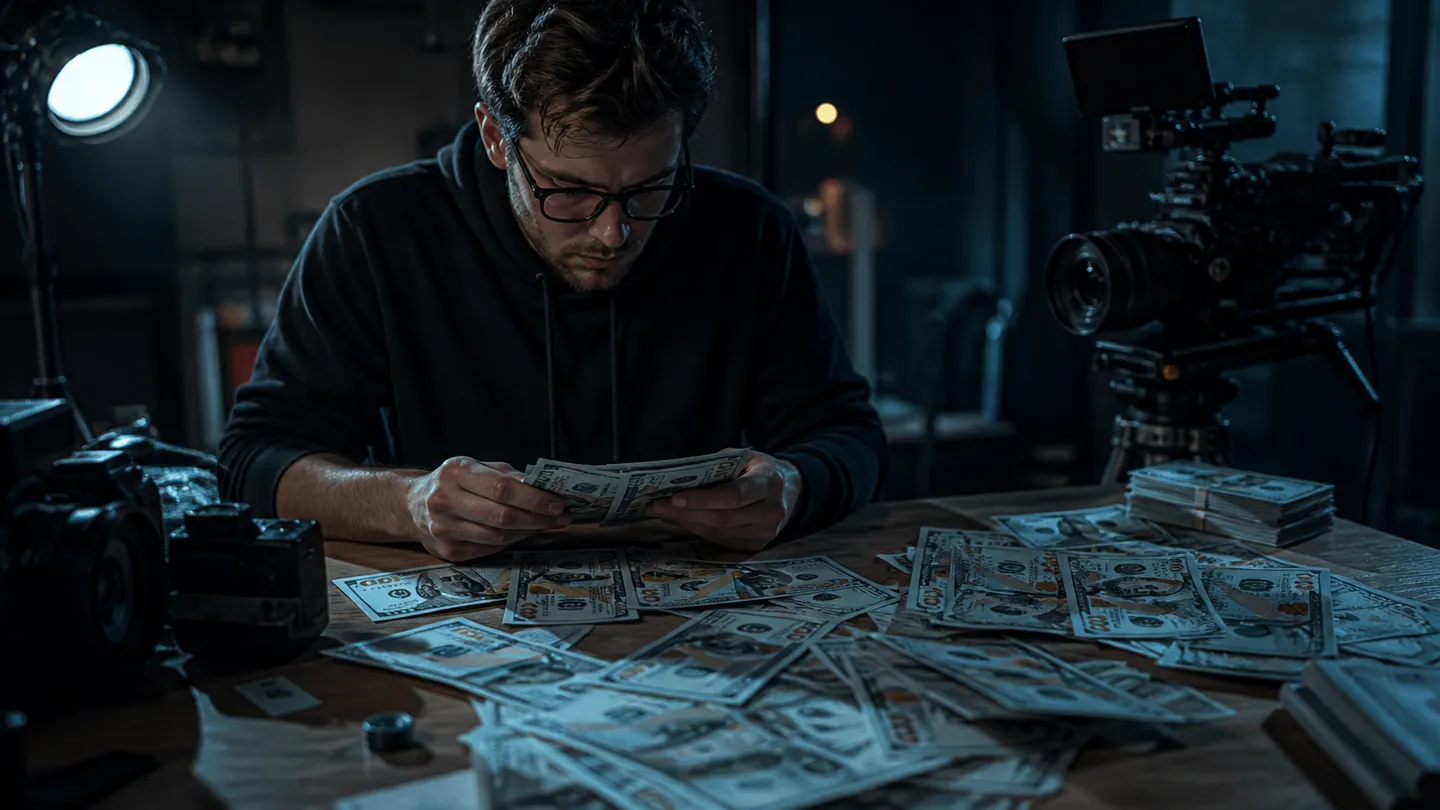
Who Each Option Suits
Match the prop to the shot. Before buying, check:
- camera distance and which side faces the lens;
- required finish, denomination and pack format;
- visibility of replica markings;
- delivery time or Seattle collection options.
If you are filming close-ups — choose clearly compliant, camera-ready notes
Choose one-sided prop notes with sharp printing and replica markings that remain visible without dominating your planned framing. Federal rules restrict the size and format of currency illustrations, so confirm the specifications rather than relying on "Motion Picture Use Only" wording alone[3][6].
If you need a table or briefcase full of cash — choose bundled stacks
Select bundles with printed outer notes and blank inserts when the camera will not examine every bill. They create convincing volume without paying for individually detailed notes that remain hidden inside the stack.
If you are shooting a period scene — choose an aged finish
Pick worn-looking notes when crisp paper would appear out of place beside vintage costumes, furniture or props. We suggest checking listing photographs under lighting similar to your set, because texture and colour can change noticeably on camera.
If you need props quickly in Seattle — choose a local theatrical supplier
Buy locally when the schedule leaves no time for delivery or when you want to inspect the product before payment. Check the printing, replica designation, quantity and packaging in person, then keep the receipt with the production records.
If you are organising a party or classroom activity — choose obviously marked replicas
Use designs that cannot be casually confused with genuine cash, especially when guests, pupils or loose notes may leave the controlled area. Store them in labelled packaging and count them after use so they do not become mixed with real money.
Final Verdict: What to Choose
Choose purpose-built prop money. For most productions, we recommend a reputable specialist seller offering clear product photographs, visible replica markings, secure payment and documented returns. Match the format to the scene:
- Close-ups: sharp, camera-ready notes with markings you can keep visible.
- Wide shots or cash piles: bundled stacks with detailed outer notes and inexpensive inserts.
- Urgent Seattle shoots: a local theatrical supplier where you can inspect the props before buying.
- Parties or classrooms: obviously marked designs that cannot be casually mistaken for genuine cash.
Avoid anonymous sellers, darknet offers and products advertised as spendable or indistinguishable from genuine currency. For more buying options, see Realistic Fake Money for Sale: Where to Find It.
Straight answers
What happens if you accidentally pay with counterfeit money?
Stop the transaction and explain the mistake; fraudulent intent is required for an offence under 18 U.S.C. § 472, but the circumstances may still be investigated[4]. Limit handling, place the note in a protective envelope, keep it separate from genuine cash, and contact the local U.S. Secret Service field office[9][8]. Counterfeit currency cannot be exchanged for genuine money, so whoever accepted it generally bears the loss[7].
Does ATM detect fake money?
An ATM may reject a suspicious note, but we should not treat machine acceptance as proof that it is genuine. Check the denomination-specific watermark, security thread and other security features instead; counterfeit-detection pens can also give false results[7].
How to check US dollar real or fake?
Compare the note with a known genuine bill of the same denomination, checking its watermark, security thread and colour-shifting elements rather than relying only on texture or a pen[7]. A current-design $100 note uses cotton-and-linen paper and includes features such as a 3-D security ribbon, colour-shifting bell, security thread and watermark[10]. If it remains suspicious, handle it minimally and report it rather than attempting to spend it[9][8].
Can you buy realistic prop money without “Motion Picture Use Only” markings?
Yes, because the exact phrase "Motion Picture Use Only" is not itself the federal compliance test. A colour currency illustration must be one-sided and either less than three-fourths or more than one-and-one-half times the genuine note's linear dimensions, while physical reproductions remain restricted separately[3][6]. On Amazon, qualifying prop currency must instead be prominently and permanently marked "COPY"[1].
Is prop money sold on Amazon legal?
Not automatically. Amazon's U.S. policy permits qualifying prop currency only when it is permanently and prominently marked "COPY", described as a reproduction, and compliant with applicable one-sided and size restrictions[1]. Before ordering, we suggest checking photographs of the actual product, seller contact details, returns and buyer-protected payment options[2].
Links and references
- 1. Amazon Seller Central—Coins, Collectible Coins, Monetary Bullion, and Paper Money
- 2. Federal Trade Commission—Buying From an Online Marketplace
- 3. 31 CFR Part 411—Color Illustrations of United States Currency
- 4. United States Code, Title 18, § 472—Uttering Counterfeit Obligations or Securities
- 5. 18 U.S.C. § 473—Dealing in Counterfeit Obligations or Securities
- 6. 18 U.S.C. § 504—Printing and Filming of United States and Foreign Obligations and Securities
- 7. Federal Reserve Board—How Do I Determine if a Banknote Is Genuine?
- 8. U.S. Currency Education Program—How to Check Your Money Training Presentation
- 9. U.S. Currency Education Program—Report a Counterfeit
- 10. U.S. Currency Education Program—Decoding Dollars: The $100