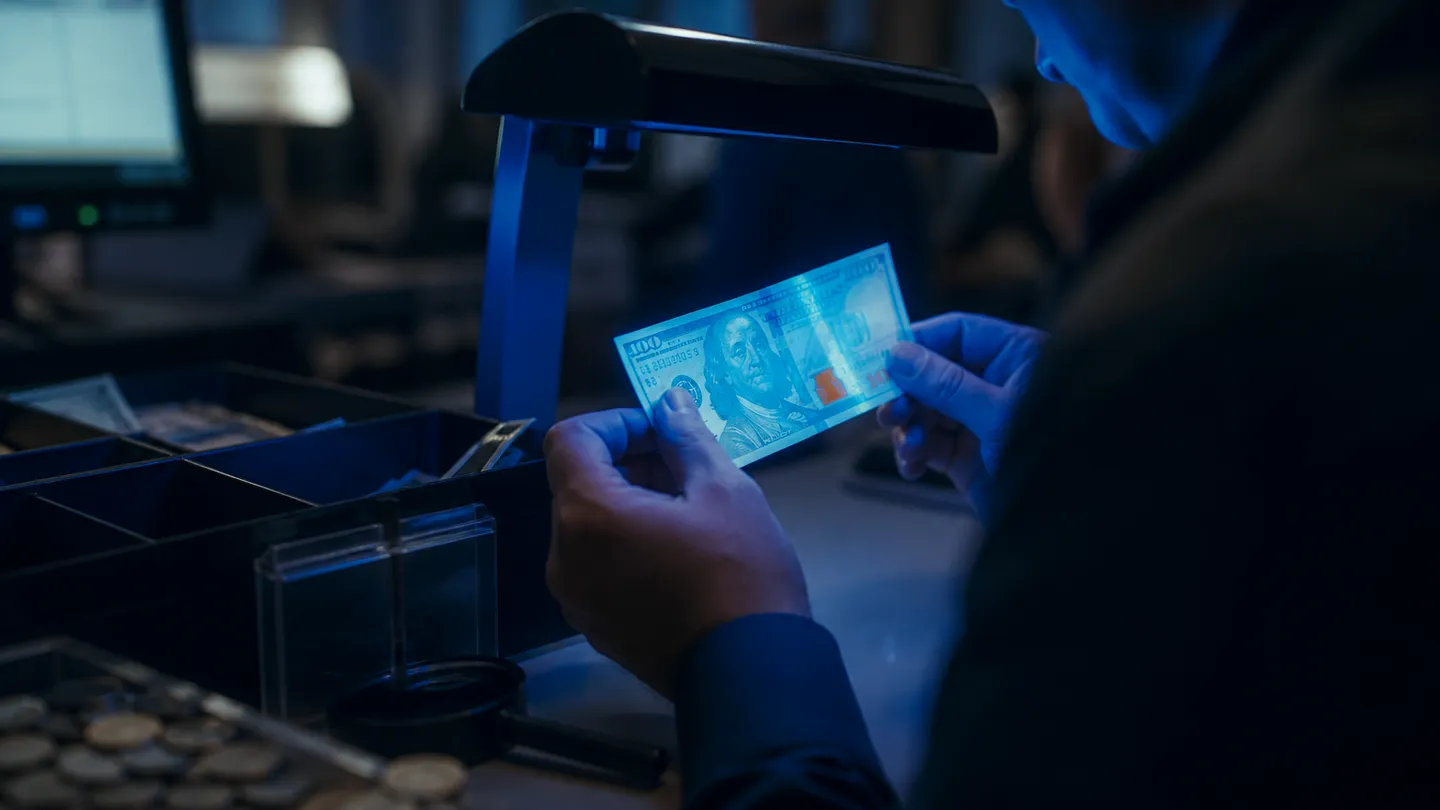
An "international ID card" is likely fake or misleading: no universally issued public card exists, though some national identity cards may support cross-border travel under bilateral arrangements[1]. Do not buy or use one until the claimed issuer confirms it; unofficial cards resembling government identification may be treated as false documents, even when labelled "novelty"[2].
What Does “International ID Card” Actually Mean?
The term "international ID card" can be misleading. There is no universally recognised civilian ID card accepted by every country. Instead, various types of identification documents serve distinct purposes and are issued by different authorities. These include national identity cards, passports, residence permits, International Driving Permits (IDPs), student cards like the International Student Identity Card (ISIC), and privately issued membership cards.
National identity cards, for example, are issued by individual countries and may not be valid outside their borders. In contrast, passports are standard travel documents recognised globally. An IDP is specifically designed for driving internationally but must be carried alongside a valid driver's licence[3]. The UN laissez-passer is another document that facilitates travel, but it is limited to UN officials and not available to the general public[4].
To clarify these distinctions, we can refer to the following comparison table:
| Document Type | Issuer | Purpose | Accepted For Identity | Accepted For Travel | Accepted For Driving |
|---|---|---|---|---|---|
| National Identity Card | National Governments | Identity verification | Yes | Limited | No |
| Passport | National Governments | International travel | Yes | Yes | No |
| Residence Permit | National Governments | Legal residency verification | Yes | Limited | No |
| International Driving Permit | National Governments | Driving internationally | No | No | Yes (with licence) |
| International Student Identity Card | ISIC Association | Student discounts and identification | Yes | Limited | No |
| Privately Issued Membership Card | Private Organisations | Membership identification | Limited | No | No |
Understanding these differences is crucial, especially when considering the legitimacy of documents that claim to be "international ID cards." Often, individuals may mistakenly believe that any document labelled as such holds universal validity. However, many of these cards can be counterfeit or misleading, leading to potential legal complications, including charges related to document fraud under laws like 18 U.S.C. § 1028[5]. Always verify the issuing authority before relying on any identification document.
Fake, Altered, Novelty, and Unofficial IDs: Key Differences
Fake, Altered, Novelty, and Unofficial IDs: Key Differences
Understanding the distinctions between various types of identification documents is essential, especially when it comes to identifying potential fakes. Counterfeit IDs are unauthorised reproductions of legitimate documents, while forged IDs are those that are completed or executed without proper authority. Altered IDs, on the other hand, start as genuine documents but have undergone unauthorized changes, such as modifying a date of birth or changing personal details[5].
Novelty IDs are often marketed as fun or decorative items and may contain disclaimers stating "not a government document." However, this does not exempt them from legal scrutiny. In fact, under U.S. law, even unofficial or novelty cards can be classified as false identification if they mimic documents issued by governmental or quasi-governmental entities[2]. This means that possessing such a card can still expose individuals to legal risks.
Unofficial IDs can take many forms. For example, someone might present a novelty ID that closely resembles a government-issued passport, or they may alter a legitimate driver's licence by changing the expiration date. Another scenario could involve an individual using a private membership card in an official capacity, misleading others into believing it holds the same weight as a government document. These actions can lead to severe consequences, including charges of identity theft or fraud, which carry hefty penalties under laws like 18 U.S.C. § 1028[2].
Before considering the use of any ID, we advise verifying its legitimacy. Always check the issuing authority and be cautious of any documents that appear suspicious or are presented in a misleading manner.
Are Fake International ID Cards Illegal?
The legality of fake international ID cards varies significantly based on jurisdiction, the type of document in question, intent, and actual use. In the United States, for instance, the law concerning identification documents is primarily governed by 18 U.S.C. § 1028. This statute outlines various forms of identity fraud, including the production, transfer, and use of counterfeit, altered, or forged documents. A notable point is that even unofficial or "novelty" cards can be deemed illegal if they appear to be issued by a legitimate governmental or quasi-governmental authority[2].
Under U.S. federal law, knowingly producing or transferring a false identification document can lead to severe penalties, including imprisonment for up to 15 years[2]. The law broadly defines "transfer," which includes not only physical distribution but also making such documents available online[2]. This means that simply sharing a fake ID on social media could potentially result in legal consequences.
State laws also play a crucial role, as they can impose additional penalties or have different definitions of what constitutes a fake ID. For example, some states may have specific statutes addressing the use of counterfeit documents, which can vary in terms of penalties and enforcement. Therefore, understanding local laws is essential for anyone considering the use of an international ID card.
In other jurisdictions, the legal landscape can differ. In the United Kingdom, for example, the Fraud Act 2006 criminalises the creation and use of false identification documents, with penalties including imprisonment. Similarly, in Australia, the Crimes Act 1914 outlines offences related to identity fraud, with penalties that can also lead to significant jail time.
It is crucial to be aware of these legal implications before using any document that claims to be an international ID card. Engaging with such documents can lead not only to legal repercussions but also to complications such as identity theft, which is a growing concern; the FTC reported over 1,135,291 identity theft cases in 2024 alone[6]. Always verify the legitimacy of any identification document to avoid potential legal issues.
The Main Risks of Using a Fake International ID Card
Using a fake international ID card poses significant legal and financial risks. Individuals caught with counterfeit documents may face criminal charges, including identity fraud, which can lead to imprisonment for up to 15 years under U.S. law[2]. Detention, document seizure, and allegations of fraud are common outcomes when authorities identify such documents. Moreover, attempting to use a fake ID can result in denied entry to countries, refusal of services, or even being barred from certain establishments, such as banks or universities.
The repercussions of using a fake ID can extend beyond immediate legal consequences. For instance, if someone uses a counterfeit document to apply for a visa, they may trigger permanent ineligibility for future visas under the Immigration and Nationality Act[7]. This can severely limit travel opportunities and affect immigration status. In educational settings, universities may rescind admissions or expel students found using fraudulent identification. Employment opportunities can also be jeopardised, as many employers conduct background checks that may reveal the use of fake IDs.
Risk Matrix
To better understand the specific scenarios in which these risks may manifest, we can outline a risk matrix:
| Scenario | Potential Risks |
|---|---|
| Age-restricted purchase | Denial of sale, potential fines for the seller, legal action for fraud |
| Travel | Detention, deportation, entry denial, permanent visa ineligibility |
| Employment | Job termination, background check failures, legal actions from employers |
| Banking | Account closure, denial of loans, legal repercussions for identity fraud |
| Interaction with immigration authorities | Arrest, legal penalties, future entry bans, complications in immigration status |
In addition to the legal ramifications, there are also financial risks involved. The Federal Trade Commission (FTC) warns that engaging with fake ID services can lead to identity theft, resulting in significant financial loss and long-term credit issues[6]. If personal information is compromised, individuals may need to take extensive measures to recover their identity and prevent further fraud, which can be both time-consuming and costly[8].
In summary, the risks associated with using a fake international ID card are severe and multifaceted. We advise thorough verification of any identification document's legitimacy to avoid these potential pitfalls.
Identity Theft and Scam Risks Behind Fake ID Websites and Apps
Using fake ID websites and apps can expose individuals to significant identity theft and scam risks. When you upload personal information such as portraits, signatures, addresses, passport scans, and payment details to these platforms, there is a high likelihood that this data may be retained, resold, or used for impersonation. Cybercriminals often exploit this information to create fraudulent identities or to commit further scams, including financial fraud and identity theft, which the FTC reported involved 1,135,291 cases in 2024[6].
Many of these "free" ID generators and unofficial ID-card editors come with hidden dangers. They can install malware on your device, leading to data breaches or even ransomware attacks. Additionally, users may face recurring charges if they inadvertently sign up for subscription services disguised as free trials. Blackmail is another risk, where perpetrators threaten to expose your personal details unless a ransom is paid. The FTC has warned users that engaging with these dubious websites can lead not only to financial loss but also to legal complications[9].
The risks associated with these platforms are not limited to financial implications. Using a fake ID can result in serious legal consequences, including charges of document fraud under laws such as 18 U.S.C. § 1028, which can lead to imprisonment for up to 15 years[2]. Furthermore, if your personal information is misused, the FTC recommends taking immediate action, such as changing compromised passwords and enabling two-factor authentication to secure your accounts[8].
Before engaging with any ID service, we advise verifying the legitimacy of the website or app. Be cautious of any platform that requests sensitive personal information without clear security measures. Always remember that the consequences of using fake identification extend far beyond the immediate risks; they can impact your financial health, legal standing, and personal safety in profound ways.
How to Check Whether an ID Card Is Real or Fake
Verifying the authenticity of an ID card is crucial to avoid potential legal and personal risks. We recommend following a defensive checklist to assess whether an ID card is genuine. First, confirm the issuing authority. Ensure that the ID card is issued by a recognised governmental entity, as there is no universally accepted "international ID card"[1].
Next, compare the card with official reference materials. Many countries provide examples of valid ID cards on their governmental websites, which can serve as a useful benchmark. It is also essential to check the consistency of the data on the card, including the name, date of birth, and other personal information. Verify that the expiration date is valid and not in the past, as expired IDs can lead to complications.
Utilising issuer-approved verification channels is another effective method. Some governments offer online verification services where you can input the ID number to confirm its legitimacy. While visual elements such as holograms, barcodes, and machine-readable zones (MRZ) can provide clues about authenticity, they should not be the sole basis for your assessment. These features can be replicated in counterfeit documents, making it necessary to conduct a comprehensive check.
In addition, while apps and tools for document validation exist, their reliability can vary significantly. The National Institute of Standards and Technology (NIST) notes that many of these tools require manual verification steps to resolve discrepancies[10]. Therefore, we advise against relying solely on technology for verification.
Before proceeding with any ID card, ensure you have thoroughly checked these elements to protect yourself from potential legal issues and identity theft.
Common Myths About International and Fake IDs
Common Myths About International and Fake IDs
Many misconceptions surround international and fake IDs, which can lead to serious misunderstandings about their legitimacy and implications. We will clarify some of these myths by presenting common claims, their verdicts, and reasons for these conclusions.
Claim: An international ID works in every country.
Verdict: False.
Why: There is no universally issued public "international ID card." According to the International Civil Aviation Organization (ICAO), its specifications do not standardise national identity cards, although some countries may accept them for cross-border travel under specific bilateral agreements[1]. Thus, the usability of an ID can vary significantly from country to country.
Claim: A disclaimer makes a novelty ID legal.
Verdict: False.
Why: Even novelty cards can be considered false identification documents if they appear to be issued by a governmental authority. Under U.S. law, 18 U.S.C. §1028 states that producing or using such documents without lawful authority can lead to severe penalties, including imprisonment[2]. Disclaimers do not provide legal protection against misuse.
Claim: A hologram proves authenticity.
Verdict: Misleading.
Why: While holograms can enhance security, they are not foolproof indicators of authenticity. Counterfeiters can replicate holograms, making it essential to conduct a more thorough verification process that includes checking other security features and the issuing authority[11]. A hologram alone cannot guarantee that a document is legitimate.
Claim: AI-generated IDs cannot be detected.
Verdict: False.
Why: Although AI-generated IDs may seem sophisticated, they can still be identified as fake through various verification methods. The National Institute of Standards and Technology (NIST) highlights that many document-validation tools require manual checks to resolve discrepancies, meaning that AI-generated documents can be flagged during verification[10].
Regarding the phrase "hardest fake ID to spot," it is crucial to understand that no document can be ranked reliably across all verification systems. Different authorities and systems have varying capabilities, making it impossible to definitively classify any ID as the hardest to detect. The effectiveness of detection often relies on the context and tools used.
By understanding these myths, individuals can better navigate the complexities of international and fake IDs and avoid potential legal issues. Always verify the legitimacy of any identification documents to mitigate risks.
What to Do If You Bought, Used, or Shared Data With a Fake ID Service
If you have purchased, used, or shared data with a fake ID service, it is crucial to take immediate action to mitigate the potential risks involved. Firstly, we recommend stopping any further use of the fake ID and preserving all receipts and communications related to the transaction. This documentation may be essential if you need to report the incident or seek legal advice.
Securing your accounts is a vital next step. Change any compromised passwords, especially for accounts where you may have used the fake ID or shared personal information. Enabling two-factor authentication can provide an additional layer of security. It’s also wise to monitor your payment activity closely for any unauthorized transactions, as the Federal Trade Commission (FTC) warns that engaging with fake ID services can lead to identity theft and significant financial loss[6].
Contacting the genuine issuer of any legitimate ID you may have used or the relevant fraud-reporting body is advisable. This could include local law enforcement or identity theft protection services. If your personal information has been misused, the FTC suggests using IdentityTheft.gov to create a customized recovery plan[8].
Next Steps for Different Scenarios
For Purchasers: If you bought a fake ID, document everything related to the purchase, including the website and any communications. Report the service to the FTC or your local consumer protection agency.
For Scam Victims: If you realize you have been scammed, report the incident immediately. Change your passwords and consider freezing your credit with major credit bureaus, as this can help prevent new-account identity fraud[12].
For Those Whose Identity Details Were Used Without Consent: If you suspect your identity has been misused, seek qualified local legal counsel before making any statements or taking action regarding the document. Legal advice can help you navigate potential arrest, immigration consequences, or any official investigations[7].
Taking these steps can help protect you from the severe legal and financial repercussions associated with fake IDs, which can include imprisonment for up to 15 years under laws such as 18 U.S.C. § 1028[2]. Always prioritise your safety and legal standing when dealing with identification issues.
Frequently Asked Questions
Understanding the risks associated with international ID cards can be challenging. We address some common queries to clarify these issues.
Is it legal to use a fake international ID card in the U.S.?
Using a fake international ID card can lead to severe legal repercussions. Under 18 U.S.C. § 1028, producing or using identification documents without lawful authority can result in penalties, including imprisonment for up to 15 years. Even novelty cards can be classified as false identification if they resemble government-issued documents[2]. Always check the legal-risk matrix for specifics on document legality.
Can I create a homemade national ID?
Homemade national IDs are risky. While some may think that custom-made IDs are harmless, they can still be considered counterfeit if they appear to be issued by a government entity[5]. We recommend consulting the verification checklist to ensure any ID you use is legitimate and does not mimic official documents.
Are there apps to detect fake ID cards?
Yes, several apps claim to help verify the authenticity of ID cards. However, their accuracy and reliability can vary significantly. The National Institute of Standards and Technology (NIST) has noted that most commercial validation tools require manual intervention to resolve discrepancies[10]. It's essential to approach such tools with caution and not rely solely on them for verification.
Do international IDs have universal recognition?
No, there is no universally accepted international ID card. The International Civil Aviation Organization (ICAO) specifies that its guidelines do not establish a standard for national identity cards, meaning their acceptance varies by country[1]. Always verify the acceptance of any ID in the specific country you plan to visit.
How can fake IDs affect immigration status?
Using a fake ID to obtain a U.S. visa or admission can lead to permanent visa ineligibility under the Immigration and Nationality Act[7]. If you have used a false document, it is crucial to seek legal advice immediately, as the consequences can be severe.
We must reiterate that any employee, student, costume, or novelty badge must not imitate or be presented as a government credential. Misrepresenting such documents can lead to legal trouble and identity theft risks. Always refer back to the legal-risk matrix and the verification checklist for guidance on identification documents.
International ID Card Fake: Risks and Implications
| Document Type | Intended Use | Jurisdiction-Sensitive Risk | Safest Next Step |
|---|---|---|---|
| International ID Card | Cross-border travel | Varies by country; not universally accepted | Verify with government resources |
| International Driving Permit | Driving abroad | Must be used with a driver’s license | Carry both documents |
| United Nations laissez-passer | Official travel for UN staff | Not available to the public | Seek legitimate travel documents |
| Novelty ID | Casual identification | Can be classified as false ID | Avoid using; report suspicious sources |
| Counterfeit ID | Any use | Severe penalties under 18 U.S.C. §1028 | Consult legal advice immediately |
| Fake ID service | Purchasing fake IDs | Identity theft risk; legal repercussions | Document everything and report to authorities |
Common Mistakes and Misconceptions
Small assumptions can create serious exposure.
Confusing a Private Issuer With a Government Authority
A polished card does not prove public authority. Sellers may use official-looking names, seals, or references to international standards, although no public "international ID card" is universally issued[1]. We advise confirming the issuer through an independently located government channel before presenting the card to a Seattle employer, bank, hotel, or public agency.
Treating Every Fake-Document Situation as the Same Offence
The conduct matters. The U.S. Department of Justice distinguishes unauthorised reproductions, altered genuine documents, and documents completed without authority[5]. When seeking legal advice, describe separately whether the card was possessed, created, changed, transferred, advertised, or presented, because federal law addresses production and transfer in covered circumstances[2].
Assuming an Online Upload Is Not a Transfer
Uploading can itself matter. Federal law defines "transfer" broadly enough to include placing an identification document or document-making implement online where other people can access it[2]. We advise against posting templates, editable files, scans, or ordering instructions merely because no physical card changes hands.
Checking Security Features Before Checking the Holder
A genuine document can still be misused. PRADO advises comparing the holder with the photograph and checking age, height, signature, and expiry before examining watermarks, raised printing, microprint, UV elements, or optically variable features[11]. We suggest following that order rather than treating a convincing security feature as proof that the presenter is the authorised holder.
Assuming a Failed Purchase Creates Only a Payment Problem
The personal data may remain exposed. The FTC recorded 1,135,291 identity-theft reports in 2024, showing the wider risk when portraits, identity documents, addresses, or financial details reach an untrusted service[6]. If misuse is suspected, we advise using IdentityTheft.gov and placing separate free credit freezes with Equifax, Experian, and TransUnion; freezes do not affect credit scores and remain until lifted[8][12].
Before relying on any purported international ID card, use this issuer-first checklist:
- Identify the exact legal name of the claimed issuer.
- Find its official contact details independently, not through the seller.
- Confirm the document type, intended purpose, expiry, and geographic acceptance.
- Ask the organisation expected to accept it whether that specific issuer and document are recognised.
- Do not send additional identity or payment data while the issuer remains unverified.
Conclusions
- Treat any privately issued cross-border credential as unverified until both the named authority and intended recipient confirm its status independently.
- Do not present, alter, upload, advertise, or resell a questionable card, because each action may create a different form of legal exposure.
- If you have already paid or supplied personal data, preserve transaction evidence, secure affected accounts, review payment activity, and consider a credit freeze.
- For use in Seattle, ask the relevant employer, bank, business, or public agency which original documents it accepts; an app result or convincing security feature is not enough.
- If officials may become involved, we advise speaking with qualified local counsel before explaining how the document was obtained or used.
Next, review Fake Passports Dark Web: What You Should Know to understand related document scams and data risks.
Straight answers
What is the hardest fake ID to spot?
There is no single defensible answer. An altered genuine document or a real card presented by an impostor may pass a superficial security-feature check, so we advise comparing the holder with the photograph, age, height, signature, and expiry before using PRADO’s "FEEL, LOOK, TILT" method[5][11].
How to check if an ID card is real or fake?
Start with the person and issuer. Compare the holder with the photograph and personal details, check the expiry, then examine raised printing, watermarks, microprint, UV elements, and optically variable features by using "FEEL, LOOK, TILT"[11]. Confirm the issuer through contact details found independently rather than relying on a seller, QR code, or verification app.
Is there a universally recognized international ID card?
No public "international ID card" has universal recognition. An International Driving Permit must accompany a driving licence for U.S. travellers, while a U.S.-issued permit remains valid for one year and cannot be renewed[3]. A United Nations laissez-passer is issued to UN officials for official travel, not to members of the public[4].
What should I do if I used a fake ID card?
Stop using, sharing, or uploading the card, preserve purchase and communication records, and speak with a qualified lawyer before making statements to officials. If the document was used for a U.S. visa or admission, deliberate misrepresentation can create permanent visa ineligibility, although a waiver may exist in limited circumstances[7].

Links and references
- 1. ICAO MRTD Report, Volume 3, Number 3
- 2. 18 U.S. Code § 1028 — Fraud and Related Activity in Connection with Identification Documents
- 3. International driver’s license for U.S. citizens
- 4. Privileges and Immunities | United Nations Policy Portal
- 5. Types of Identification Documents — 18 U.S.C. 1028
- 6. Consumer Sentinel Network Data Book 2024
- 7. Visa Denials | U.S. Department of State
- 8. What To Do if You Were Scammed
- 9. Planning to Drive in Another Country? Here’s How to Avoid International Driver’s Permit Scams
- 10. NIST SP 800-63A Implementation Resources — Identity Validation
- 11. PRADO FAQ — Document Examination
- 12. Freezing? Maybe Freeze Your Credit, Too