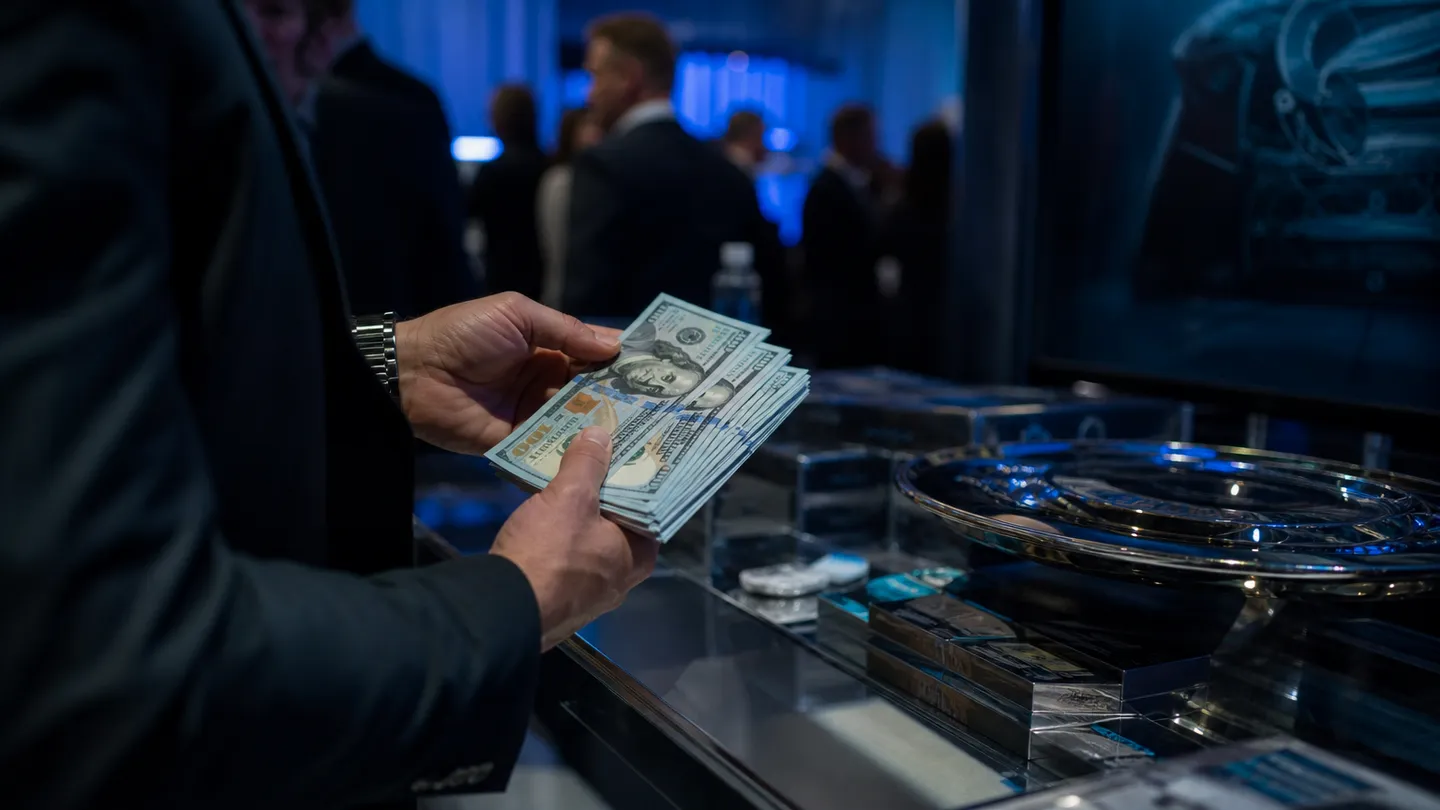
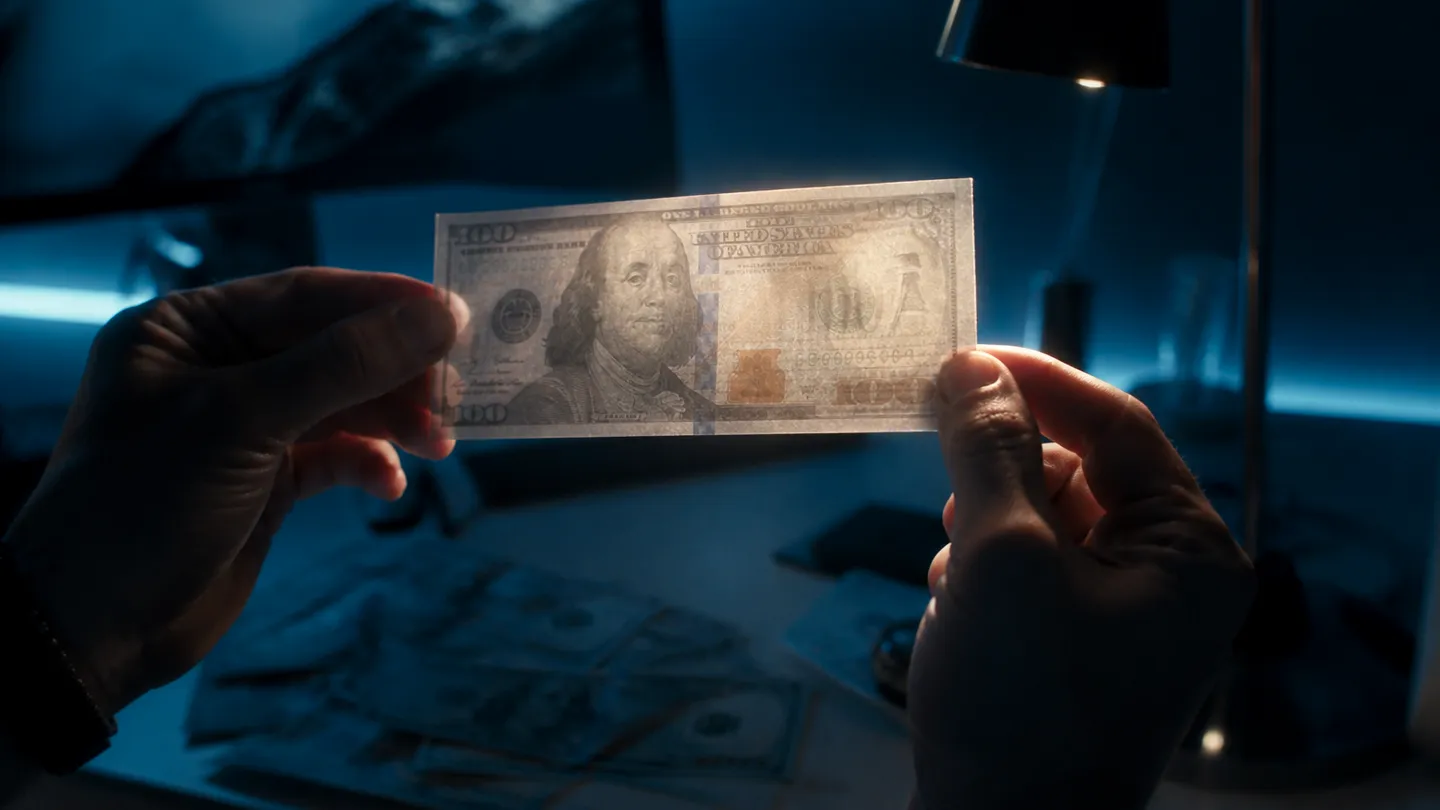
Realistic prop money for photography, events, education, performances, or displays should look convincing on camera while remaining unmistakably fictional in person. We recommend notes with prominent "prop" markings, altered portraits or layouts, and colours or dimensions that prevent confusion with genuine US currency; before buying, confirm the venue accepts them and never use them for payment.
What “Without Motion Picture” Actually Means
When shoppers seek prop money that is "without motion picture," they are typically looking for bills that do not bear the phrase "For Motion Picture Use Only." This phrase is often misunderstood; it does not imply that the money is intended for illegal activities. Instead, legality hinges on the design of the bills, the applicable jurisdiction, and the intended use.
In the United States, laws surrounding prop money are outlined in 18 U.S.C. § 474 and 18 U.S.C. § 504. These statutes require that any replica currency must be clearly marked as such and include specific features to distinguish it from real currency. For example, prop money should have a different size, colour, or design to avoid confusion. The U.S. Secret Service enforces these regulations, ensuring that no counterfeit currency is mistaken for legitimate money.
It’s important to differentiate between various types of money used for non-commercial purposes. Prop money is designed specifically for use in performances and educational settings, while play money is often intended for children's games. Replica currency mimics real money closely but is not intended for any form of transaction. Counterfeit money, on the other hand, is illegal and intended to deceive.
For those looking to purchase prop money, understanding these distinctions can help avoid legal troubles. Always ensure that the bills you choose are clearly marked as prop money and compliant with regulations. This not only protects you legally but also enhances the authenticity of your project, whether it be for photography, events, or performances.
Best Types of Realistic Prop Money for Non-Film Uses
When selecting realistic prop money for non-film uses, it’s essential to understand the various options available and how they compare in terms of realism, handling, and lawful use. We have outlined some popular types of prop money below, along with a scoring table to help you make an informed decision.
Types of Prop Money
Fictional Currency: These bills feature entirely made-up designs and denominations. They are perfect for settings where realism is not a priority, such as children's games or fantasy-themed events.
One-Sided Hero Bills: These bills display realistic designs on one side and clear markings on the other side indicating they are props. They provide decent realism for photography but may lack detail when viewed from the back.
Altered-Size Replicas: These are replicas that are either larger or smaller than actual currency. They are often used in educational contexts to teach about money without confusion with real bills.
Stage Money: Designed specifically for theatrical performances, this type of money is often brightly coloured or features exaggerated designs. It’s easily identifiable as a prop and works well for stage settings.
Play Money: Typically used for children’s games, play money is often colourful and cartoonish. While it serves its purpose in educational settings, it lacks realism for adult scenarios.
Custom-Branded Bills: These can be tailored to fit specific themes or events. They often combine realistic designs with unique branding, making them ideal for marketing events or themed parties.
Comparison Table
| Type | Close-Up Realism | Realism at a Distance | Handling | Typical Lawful Use | Risk of Confusion |
|---|---|---|---|---|---|
| Fictional Currency | Low | Low | Easy | Children's games | High |
| One-Sided Hero Bills | Medium | Medium | Moderate | Photography, displays | Medium |
| Altered-Size Replicas | Low | Low | Easy | Educational activities | Low |
| Stage Money | Medium | High | Moderate | Theatre performances | Low |
| Play Money | Low | Low | Very Easy | Children's activities | High |
| Custom-Branded Bills | High | High | Moderate | Marketing events, themed parties | Low |
For scenarios like photography, theatre, or classroom activities, choosing the right type of prop money ensures that it serves its intended purpose without creating confusion. Always check local regulations and ensure the bills are clearly marked to avoid any legal issues. This approach will enhance the authenticity of your project while keeping everything above board.
Which Option Fits Your Use Case?
Selecting the right type of prop money hinges on your specific scenario and the intended viewing distance. Each option has its own strengths and weaknesses, which can impact how effectively it serves your purpose while remaining compliant with legal standards.
For close-up photography, fictional currency is often the best choice. These bills feature entirely made-up designs and denominations, ensuring they are easily distinguishable from real currency. However, they may not provide the realistic detail needed for high-resolution images, especially if the camera is very close. If the bills will be viewed from a distance, one-sided hero bills work well. They present realistic designs on one side and are clearly marked as props on the reverse. This makes them suitable for controlled displays where the back won’t be visible, striking a balance between realism and compliance.
For stage performances, altered-size replicas can be particularly effective. These bills are either larger or smaller than actual currency, making them easy for audiences to identify as props while maintaining a degree of realism. However, their effectiveness decreases if the viewing distance is too close. Stage money is another great option, designed specifically for theatrical performances with exaggerated features, ensuring immediate recognition as a prop.
When considering educational settings or children’s activities, play money is the most appropriate choice. This type of money is often colourful and cartoonish, ideal for teaching purposes without the risk of confusion with real currency. It’s essential to use this type in controlled environments where no one could reasonably believe the bills are genuine.
Prank use of prop money is best reserved for controlled situations. We recommend avoiding scenarios where individuals might mistake the bills for real currency, as this could lead to legal issues. Always ensure that the prop money employed is compliant with regulations, clearly marked, and suitable for its intended use.
How to Judge Realism Without Buying a Dangerous Replica
When purchasing prop money, it's crucial to evaluate its realism to avoid legal issues while ensuring it meets your needs. Here’s a pre-purchase checklist that covers essential features to consider before making a decision.
Pre-Purchase Checklist
Dimensions: Ensure the prop money is not the same size as real currency. The U.S. Secret Service mandates that replica currency must differ in size to prevent confusion with genuine bills.
Two-Sided Printing: Look for bills that feature printing on both sides. One-sided bills can often appear less realistic, especially in photographs or performances where the back may be visible.
Portraits and Seals: Check if the portraits are altered or fictional. Realistic portraits can mislead viewers, so modifications are necessary to comply with legal standards.
Serial Numbers: Ensure that serial numbers on the bills are either altered or entirely fictional. Real serial numbers can lead to confusion with actual currency.
Paper Feel: Evaluate the texture of the paper. Realistic prop money should have a similar feel to actual currency without being indistinguishable.
Aging: Consider whether the bills have been aged or distressed to mimic real currency. This can enhance their realism without violating legal guidelines.
Edge Detail: Examine the edges of the bills. Real currency has distinct features, and prop money should have noticeable differences to avoid confusion.
Required Disclaimers: Look for clear disclaimers like "For Motion Picture Use Only" or "prop money." These markings help ensure that the money is not mistaken for real currency.
Realistic colour and visual texture can often suffice for photography or displays, even if not all security features are replicated. We advise caution with listings that claim their bills can pass cash checks or defeat counterfeit pens, as these can lead to legal repercussions. Always prioritise compliance with regulations outlined in 18 U.S.C. § 474 and 31 CFR § 411.1 to ensure your prop money is used appropriately and legally.
By following this checklist, we can confidently choose prop money that looks authentic without crossing into dangerous territory.
U.S. Rules and Legal Red Flags to Check Before Ordering
U.S. Rules and Legal Red Flags to Check Before Ordering
Understanding the legal landscape surrounding prop money in the United States is crucial for anyone considering its use. The key regulations are outlined in 18 U.S.C. §§ 474 and 504, alongside 31 CFR § 411.1. These laws mandate that any replica currency must be clearly identifiable as such and should incorporate specific design features to differentiate it from authentic bills. For instance, prop money must not only differ in size but also in colour or design to avoid confusion with real currency. The U.S. Secret Service is responsible for enforcing these regulations, ensuring that counterfeit currency is not mistaken for legitimate money.
A common misconception is that simply removing the "For Motion Picture Use Only" wording from a replica allows it to be lawful. This is not the case; compliance with all legal stipulations is necessary for prop money to be deemed acceptable. Moreover, possessing prop money does not grant the right to use it as payment for goods or services. This distinction is vital to avoid potential legal issues.
To ensure compliance, we recommend carefully reviewing the design characteristics of any prop money you consider purchasing. Look for bills that are clearly marked as props and that adhere to the regulations mentioned. This not only protects you legally but also enhances the authenticity of your project, whether for educational purposes, photography, or performances.
Lastly, it's essential to verify local laws outside the United States, as regulations can vary significantly from one jurisdiction to another.
Where to Buy Prop Money Online or Pick It Up Today
When looking to purchase prop money, several options are available that cater to different needs, from realism to convenience. Specialist prop suppliers typically offer a range of realistic prop money options, including one-sided bills and stage money. These suppliers are more likely to provide products that adhere to legal guidelines, ensuring that you receive compliant items that won't raise any red flags. We recommend checking their websites for detailed product images and specifications to confirm their realism and compliance.
Party stores and theatrical suppliers can be good alternatives for immediate purchases, especially for events or performances. While they may not offer the same level of detail as specialist suppliers, they often have a selection of brightly coloured stage money that is easily identifiable as props. When shopping in-store, it’s essential to inspect the bills closely and ensure they are clearly marked to avoid any confusion with real currency.
Educational retailers and craft stores might also carry prop money, particularly in the context of teaching tools for financial literacy. However, the realism of these options may vary significantly, so it’s crucial to evaluate each product carefully. General marketplaces like Amazon can provide a wide variety of prop money, but it’s vital to verify the seller's reliability and check reviews before making a purchase. Look for product photos that show the bills from multiple angles and confirm features like size and printing quality.
For same-day inventory checks, we suggest calling local suppliers or stores to see if they have the specific prop money you need in stock. This can save time and ensure you get what you need without waiting for shipping. Always remember to review the product specifications and any disclaimers to ensure the prop money is suitable for your intended use.
Price, Quantity, and Quality: What to Compare
Price, Quantity, and Quality: What to Compare
When selecting prop money, it’s essential to compare the cost per bill rather than just the pack price. For example, a $20 pack containing 100 bills breaks down to $0.20 per bill. This approach allows us to assess the value based on quantity and ensures we’re aware of what we’re paying for each piece of prop currency.
In addition to price, consider the denomination mix. A good variety of bills can enhance realism in scenarios like theatre productions or photography. Look for options that include both higher and lower denominations to create a more authentic appearance. Another critical factor is the treatment of serial numbers. Unique serial numbers can add to the realism, while repeated numbers are often acceptable depending on the use case.
The quality of the prop money is also influenced by the printed backs. Bills with printing on both sides are generally more realistic than one-sided options, especially for performances or close-up photography where the back may be visible. Paper weight plays a vital role too; heavier paper can mimic the feel of real currency better than lightweight alternatives. Additionally, check if the bills come bundled with straps, as this can signify quality and organisation.
Return policies are another important consideration. Before purchasing, ensure that the supplier offers a reasonable return or exchange policy. This is particularly useful if the product doesn't meet your expectations or if it fails to comply with legal requirements.
In some scenarios, using inexpensive filler stacks combined with a few high-quality, clearly compliant hero bills can be more practical than making every bill highly detailed. This approach allows us to create the illusion of wealth without overspending. For example, in a classroom setting, a mix of basic prop money and a few detailed bills can effectively serve educational purposes without causing confusion about real currency. Always ensure that any prop money used is compliant with regulations, clearly marked as non-legal tender, and suitable for the intended use.
Common Myths About Realistic Fake Money
Several misconceptions circulate about the legality and safety of using realistic fake money. One common belief is that "one-sided bills are always legal." While it's true that one-sided bills may reduce the risk of confusion with real currency, they are not inherently lawful. The legality of prop money hinges on several factors, including its resemblance to actual currency and how it is represented. For example, bills must not only differ in size but also incorporate other clear distinguishing features to comply with regulations set out by the U.S. Secret Service and relevant statutes.
Another myth is that "any bill marked 'copy' is safe." While marking bills as copies is a step in the right direction, it is not sufficient on its own. The marking must be clear and accompanied by other features that differentiate the prop money from real currency. According to 18 U.S.C. § 504, prop money should not resemble genuine currency too closely, or it could lead to legal repercussions. The context in which the prop money is used also matters; using bills that could be mistaken for real currency in public spaces poses a risk of misinterpretation.
A third common claim is that "prop money is legal if it is never spent." This statement oversimplifies the issue. The law dictates that even if prop money is not intended for circulation, its design and presentation must adhere to strict guidelines. For instance, 31 CFR § 411.1 outlines the necessity for prop money to be distinctly different from real currency in both appearance and context, regardless of the intent behind its use. Misrepresenting prop money can lead to serious legal consequences, even if the intent was harmless.
Understanding these nuances is crucial for anyone considering the use of realistic fake money. Always ensure that the prop money complies with legal standards, particularly in terms of design and representation, to avoid potential legal issues.
Decision Matrix for Realistic Prop Money Types
| Type | Viewing Distance | Both Sides Visible | Handling Needs | Realism Level | Confusion Risk | Lawful Non-Film Scenarios |
|---|---|---|---|---|---|---|
| One-Sided Bills | Close | No | Low | Moderate | Low | Educational Use |
| Two-Sided Bills | Close to Medium | Yes | Moderate | High | Medium | Theatrical Performances |
| Aged Bills | Medium | Yes | Moderate | High | Medium | Photography |
| Stage Money | Close | No | High | Low | Low | Events |
| High-Quality Replicas | Close | Yes | Low | Very High | High | Exhibitions |
| Basic Prop Money | Medium to Far | No | High | Low | Very Low | Craft Projects |
Common Mistakes and Misconceptions
Treating "For Motion Picture Use Only" as a Legal Shield
The wording alone proves little. Sellers often present "For Motion Picture Use Only" as universal permission, but a disclaimer cannot make an otherwise misleading design suitable for every setting. We advise judging the complete note and its intended use rather than relying on one printed phrase.
Choosing Maximum Realism Instead of the Right Format
More detail is not always better. Close-up product photography may need convincing colour and texture, while a stage performance, classroom exercise, or distant event display can use an obviously fictional design. Before ordering, match the format to viewing distance, handling, public exposure, and whether the reverse will appear.
Assuming Both Sides Must Look Authentic
One-sided notes are often dismissed too quickly. If bills remain attached to a display, face the camera, or sit beneath clearly marked top notes, an unprinted or plainly fictional reverse can reduce confusion without affecting the result. Two-sided designs make sense only when performers or guests will turn the notes over and both faces genuinely matter.
Trusting Marketplace Claims and Cropped Photographs
A polished listing can hide essential details. Phrases such as "identical", "undetectable", or "works everywhere" are warning signs, while photographs showing only bundled edges may conceal the reverse, markings, or actual colour. Before buying, we suggest checking:
- clear images of both sides;
- visible prop identification;
- dimensions and material descriptions;
- seller and return information;
- wording that does not encourage use as genuine money.
Assuming Specialist Online Products Are the Only Choice
Online realism may be unnecessary. For a Seattle classroom, party, craft project, or stage performance, a local educational, theatrical, craft, or party retailer may offer a safer same-day format that is easier to inspect before purchase. We recommend calling ahead, describing the viewing distance and handling needs, then checking the item in person rather than buying a highly realistic product merely because it appears more professional.
Conclusions
- Start with the setting. We should match the notes to viewing distance, handling, photography, and public exposure rather than chase maximum realism.
- Choose designs that remain unmistakably theatrical or educational. A familiar disclaimer alone cannot compensate for an otherwise convincing imitation.
- Inspect both faces, dimensions, material, prop markings, seller details, and returns before paying; cropped listing images leave too much unanswered.
- Use simpler notes for filler, crafts, classrooms, or distant displays, reserving detailed pieces for controlled close-ups where their appearance genuinely matters.
- For a Seattle event, confirm venue rules and keep props separated from wallets, tills, tips, and genuine cash.
Next, use our Fake Money Website: Identifying Reliable Sources guide to screen sellers before ordering.
Straight answers
What does realistic prop money without motion picture mean?
It usually means prop currency that does not carry the exact phrase "For Motion Picture Use Only". We treat this as a product description, not proof of legality, quality, or suitability; alternative designs may use fictional issuers, altered artwork, prominent "PROP" wording, or non-currency dimensions.
Is prop money without “For Motion Picture Use Only” legal?
The missing phrase does not decide legality. In the USA, we advise choosing notes that are plainly distinguishable from genuine currency and never presenting them as legal tender; before use, check the complete design, markings, intended setting, and local venue rules.
What is the best realistic prop money without motion picture?
The best option is purpose-specific rather than maximally realistic. For close photography, we suggest convincing colour and texture paired with obvious fictional wording, while theatre, classrooms, and events are better served by clearly theatrical notes that remain recognisable when dropped, handled, or viewed outside the planned scene.
What is the difference between a fake $20 dollar bill and a real one?
A genuine bill is legal tender issued by the US government, while a fake bill has no monetary value. Real currency incorporates consistent printing and security features; prop notes should instead contain conspicuous differences, and anything received unexpectedly should be checked without attempting to spend it.
Can realistic prop money be used for photography, theater, events, or pranks?
Yes, it can support controlled photography, theatre, teaching, and event displays when everyone handling it knows it is a prop. We advise against pranks involving shops, tips, donations, ticket desks, or unsuspecting members of the public, because even a brief attempt to make someone accept the note as genuine can create harm and legal risk; for a Seattle venue, confirm its policy before bringing props onsite.